



Table of Contents
- 1. The “Yakiniku Makes You Fat” Myth: Transforming Yakiniku into an Ideal Diet Meal
- 2. The Secret Fat-Burning Weapon: The Power of L-Carnitine in Lean Red Meat
- 3. Burning Calories While Eating: The Science of Diet-Induced Thermogenesis (DIT)
- 4. B-Vitamins and Iron for Metabolism: Essential Nutrients for Healthy Weight Loss
- 5. Top 4 Ultra-Low-Fat Cuts for Diets (Kamenoko, Shinshin, Kamimino, Tan-saki)
- 6. Beware of Hidden Sugars: Why You Should Choose Salt, Lemon, and Wasabi Over Sauce
- 7. Guilt-Free Dining: Kuro5’s Golden Eating Sequence for Healthy Yakiniku
- 8. Swap Carbs for Broth: Finish Your Meal with Rich Komtan Bone Broth
- 9. Comparison: 3 Key Differences Between Weight-Gaining Yakiniku and Kuro5’s Healthy Style
- 10. Conclusion: No Need for Extreme Deprivation — Enjoy Healthy Yakiniku at Kuro5
Hello everyone, this is Sondo from Kuro5.

If you are currently focusing on fitness, weight loss, low-carb, low-fat, or general health maintenance, have you ever felt afraid to enjoy yakiniku or felt overwhelmed by guilt after a meal? Because meat is often associated with high calories, many people avoid yakiniku as a major obstacle to their diet goals.
However, when viewed through nutritional science and biochemistry, yakiniku can actually serve as an ideal diet meal—delivering high protein, low carbs, and a metabolic boost—provided you choose the right cuts, seasonings, and dining order. Avoiding meat completely can drain your body of essential fat-burning nutrients, making it harder to burn fat over time. Today, I would like to explain the fat-burning power of L-Carnitine, protein thermogenesis, low-fat Wagyu cuts, and Kuro5’s guide to enjoying yakiniku guilt-free while maintaining your health goals.
1. The “Yakiniku Makes You Fat” Myth: Transforming Yakiniku into an Ideal Diet Meal
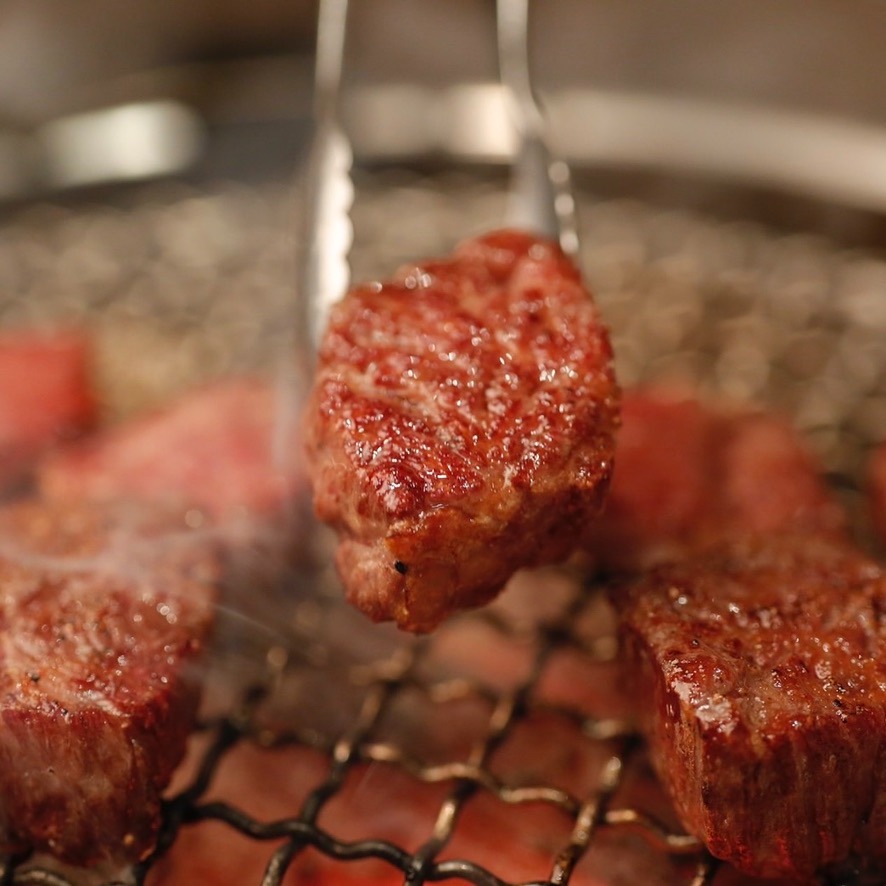
First, why do many people believe that eating yakiniku inevitably leads to weight gain? The main culprit is not the meat itself, but the hidden high-calorie and high-sugar items served alongside it.
Commercial sweet yakiniku sauces are loaded with sugar, mirin, and fruit juices. Coating your meat in these sauces converts lean protein into a high-sugar meal. Furthermore, pairing sauce-coated meat with large bowls of white rice or finishing the meal with carb-heavy cold noodles or desserts causes rapid insulin spikes, encouraging fat storage. In reality, weight gain comes from excess sugar in sauces and refined carbohydrates rather than the meat itself.
Meat contains virtually zero carbohydrates and provides essential proteins, minerals, and vitamins required for muscle maintenance and metabolic health. By avoiding excessively marbled cuts, choosing lean red beef and low-fat offal, and using light, natural seasonings, yakiniku transforms into a powerful body-shaping meal that maintains muscle and boosts metabolism without adding body fat.
2. The Secret Fat-Burning Weapon: The Power of L-Carnitine in Lean Red Meat
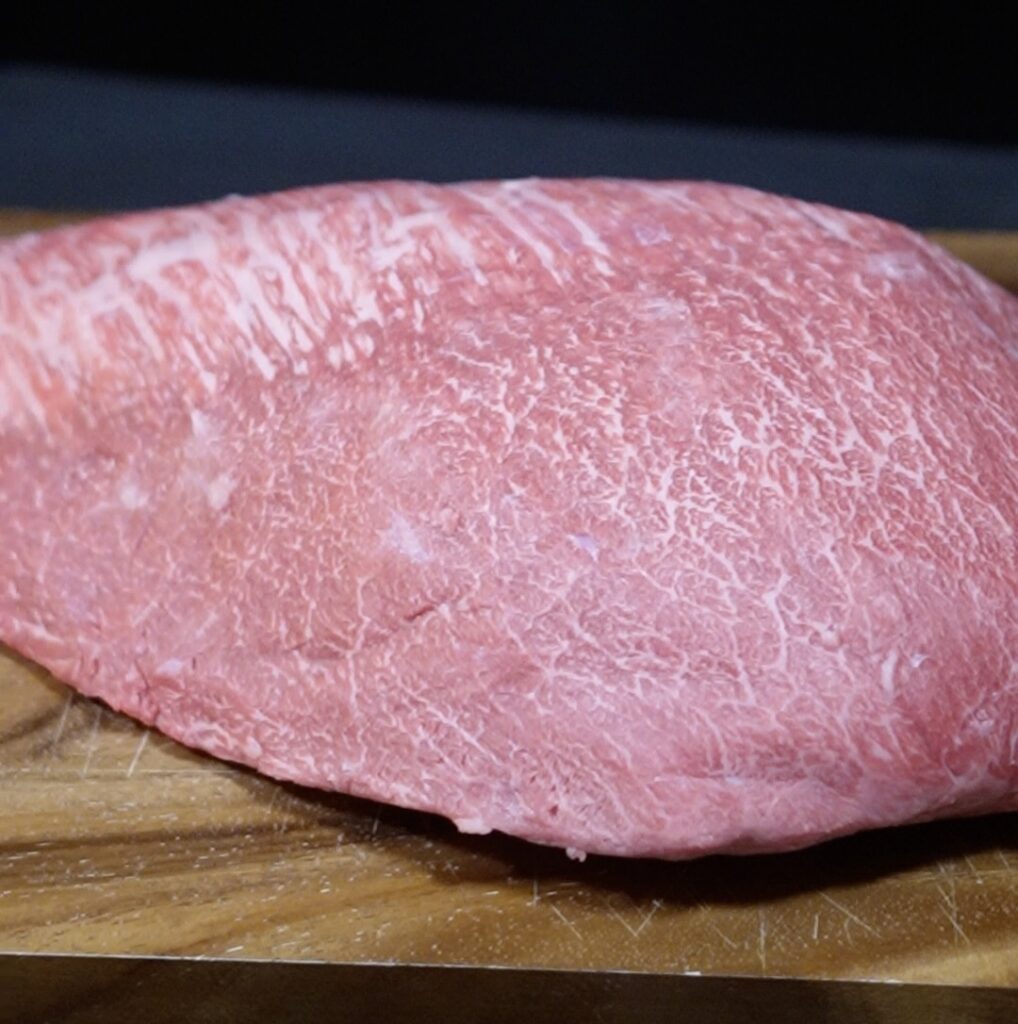
The single greatest advantage of eating lean red meat during a diet is its concentration of L-Carnitine.
L-Carnitine is an amino acid derivative found in skeletal muscle that plays a vital role as a fat transporter. Body fat must be transported into the mitochondria—the energy powerhouses inside our cells—to be burned for fuel. However, fatty acids cannot cross the mitochondrial membrane on their own. L-Carnitine serves as the essential transporter that binds to fatty acids and delivers them into the mitochondria for energy production.
If you avoid meat completely during a diet, your body’s L-Carnitine levels drop significantly. Without sufficient L-Carnitine, fatty acids cannot enter the mitochondria, reducing your fat-burning efficiency even during exercise. Beef, especially lean red beef, contains far higher levels of L-Carnitine than pork or chicken. Consuming lean red beef provides the L-Carnitine needed to support efficient fat metabolism.
3. Burning Calories While Eating: The Science of Diet-Induced Thermogenesis (DIT)
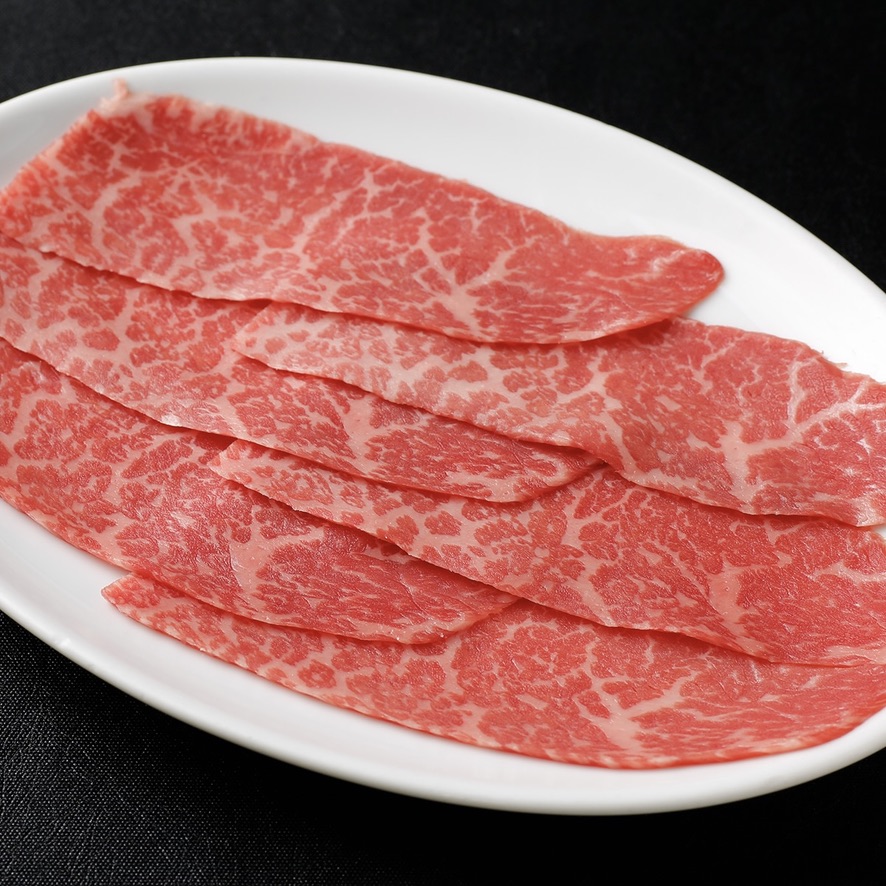
Many people worry that consuming meat calories will automatically turn into body fat. However, protein possesses a unique metabolic effect known as Diet-Induced Thermogenesis (DIT).
When we consume food, the body expends energy to digest, absorb, and process nutrients. A portion of the calories consumed is automatically released as heat energy. This energy expenditure varies greatly across macronutrients:
- Carbohydrates: Approximately 6% to 8% of consumed calories are burned as heat.
- Fats: Only about 4% of consumed calories are burned as heat.
- Protein (Meat): An impressive 30% of consumed calories are automatically burned off as heat energy.
When you consume 1,000 kcal of protein-rich lean meat, roughly 300 kcal is expended simply through digestion and thermal processing, lowering the net absorbed calories. The warmth you feel after eating lean beef is evidence of DIT at work. Additionally, because protein digests slowly, it promotes satiety hormones (such as PYY and GLP-1) to keep you full longer and prevent overeating later in the day.
4. B-Vitamins and Iron for Metabolism: Essential Nutrients for Healthy Weight Loss
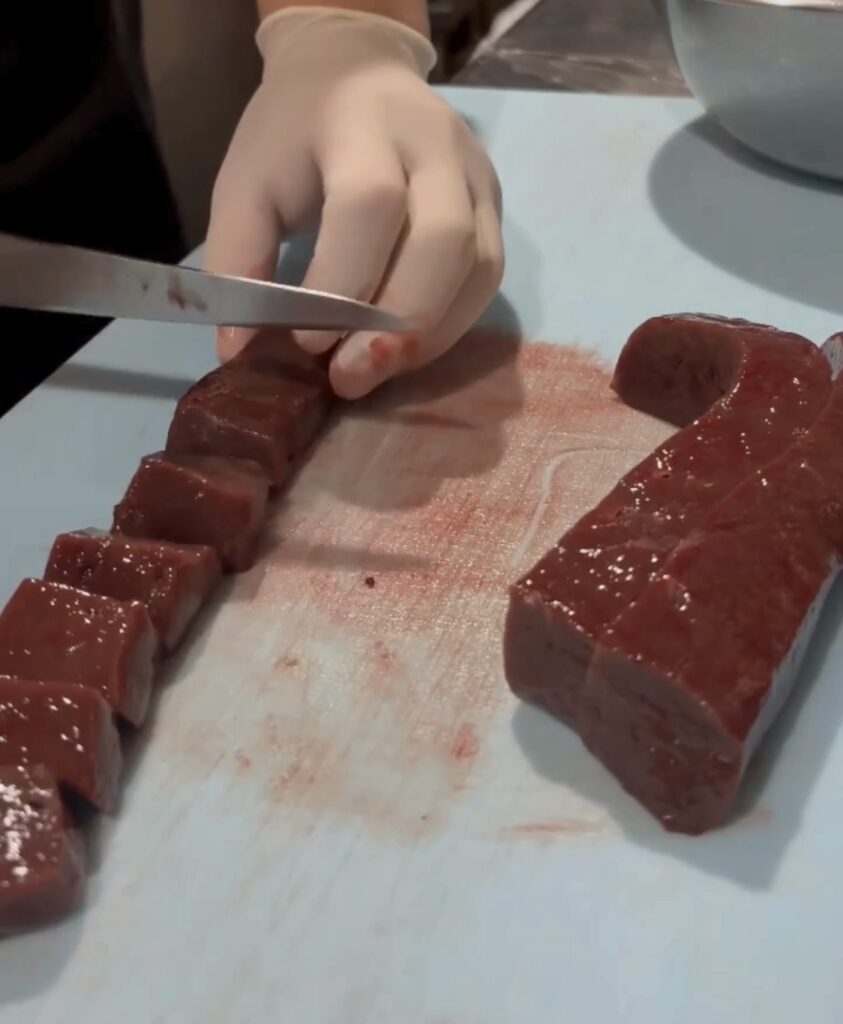
Lean Wagyu cuts, Harami, and offal also provide essential micronutrients that support metabolic function during weight loss.
– Rich in B-Complex Vitamins (B1, B2, B6, B12):
B-vitamins act as metabolic catalysts that help convert carbohydrates, fats, and proteins into usable energy. Vitamin B2 directly supports fat breakdown, while Vitamin B6 aids in synthesizing protein into muscle tissue. Without adequate B-vitamins, metabolic efficiency slows down.
– Highly Absorbable Heme Iron:
Iron deficiency is a common cause of reduced metabolic rate during diets. A lack of iron reduces hemoglobin levels, decreasing oxygen transport to cells and lowering baseline metabolism. The iron found in lean red beef is heme iron, which is absorbed 5 to 6 times more efficiently than plant-based non-heme iron. Eating lean red meat helps maintain adequate oxygen transport and active cell metabolism.
5. Top 4 Ultra-Low-Fat Cuts for Diets (Kamenoko, Shinshin, Kamimino, Tan-saki)
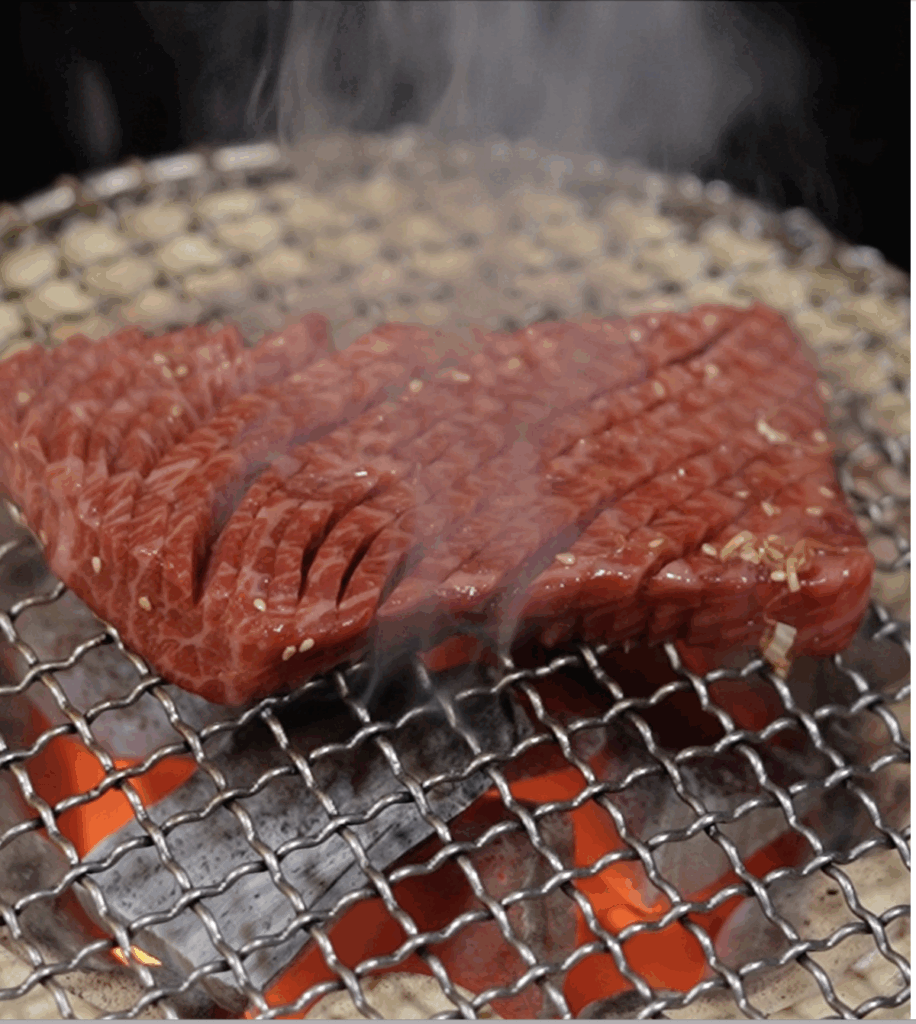
When ordering at a yakiniku restaurant, choosing the right cuts allows you to minimize fat intake while enjoying exceptional flavor. Here are 4 ultra-low-fat cuts recommended by Kuro5 for healthy dining:
1. Kamenoko (Lean Round / Shintama):
A popular cut on Kuro5’s Loin menu. Kamenoko contains minimal fat and delivers pure, concentrated red meat flavor. Rich in L-Carnitine and heme iron, it is the premier choice for strict low-fat diets.
2. Shinshin (Center Round / Shintama):
Located at the center of the Shintama cut, Shinshin features fine muscle grain and low fat content, delivering a tender texture and clean sweetness. At Kuro5, we grill it rolled and serve it with wasabi and salt for a light, satisfying cut.
3. Kamimino (1st Stomach / Offal):
The thickest, most tender section of the first stomach. It consists almost entirely of pure protein with virtually zero fat. Prepared at Kuro5 with butterfly score cuts, it offers a crisp, satisfying texture with minimal calories.
4. Tan-saki (Tongue Tip):
Compared to the fatty tongue root (Tan-moto), the tip of the tongue (Tan-saki) is lean and muscular. It provides a firm chew and deep flavor, making it a great low-fat starter.
Conversely, heavily marbled cuts like standard Kalbi, special Loin, or fatty offal (Shimacho) contain high fat levels and are best enjoyed in small portions as an occasional treat.
6. Beware of Hidden Sugars: Why You Should Choose Salt, Lemon, and Wasabi Over Sauce
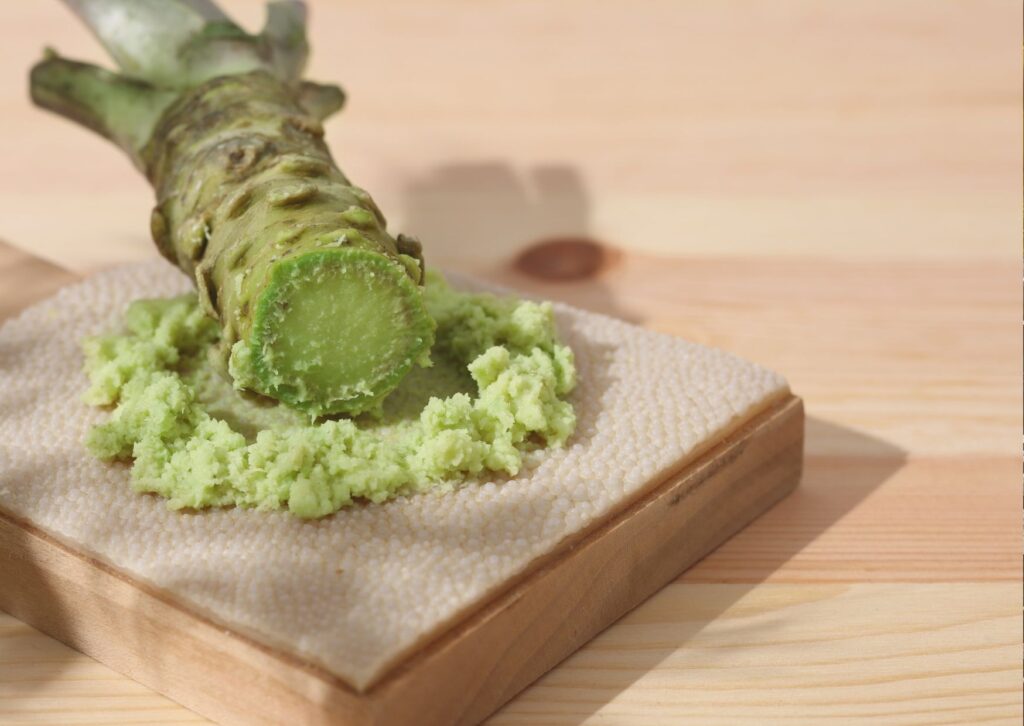
Equally important as cut selection is your choice of seasonings. Sweet soy or miso sauces contain sugar, mirin, and corn syrup that can add hidden carbohydrates to your meal, triggering insulin spikes.
During a diet or low-carb lifestyle, choose low-sugar, natural seasonings:
- Salt and Black Pepper: Zero carbohydrates. Highlights the natural amino acid sweetness of the beef.
- Fresh Wasabi + Light Soy Sauce: Wasabi contains allyl isothiocyanate, which supports digestion and complements lean beef sweetness.
- Fresh Lemon Juice: Citric acid from lemon aids in fatigue recovery and enhances mineral absorption.
- Grated Daikon Radish with Ponzu: Daikon contains digestive enzymes (diastase) that help break down proteins and fats.
Because Kuro5’s fresh Wagyu cuts like Kamenoko and Shinshin are never frozen, their intact cells deliver rich natural flavor that tastes extraordinary with simple salt or wasabi.
7. Guilt-Free Dining: Kuro5’s Golden Eating Sequence for Healthy Yakiniku
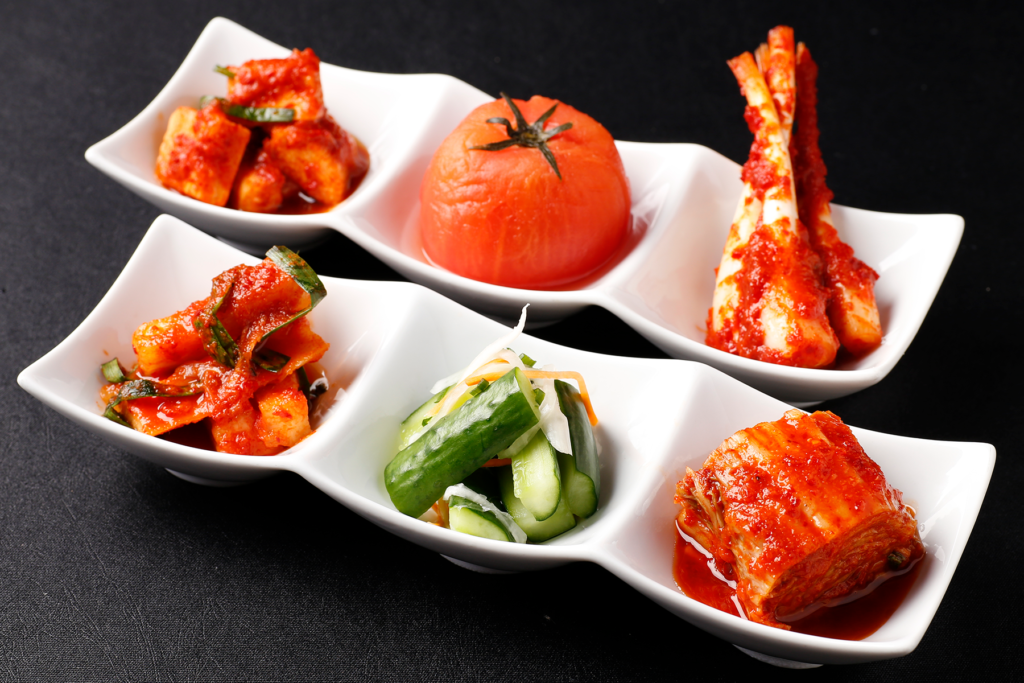
Adjusting the order in which you eat can regulate blood sugar response and prevent excess fat storage. Here is Kuro5’s recommended golden eating sequence for healthy yakiniku:
Step 1: Begin with Lean Salted Tongue (Tan-saki)
Start your meal when your palate is freshest with lightly seasoned, low-fat salted tongue. Starting with light flavors allows you to appreciate subtle meat profiles without dulling your palate with sweet sauces.
Step 2: Incorporate Vegetables, Kimchi, and Lettuce Wraps
Eat kimchi, Choregi salad, or fresh lettuce between meat courses. Probiotics in kimchi support gut flora, while vegetable fiber slows carbohydrate and fat absorption. Wrapping meat in fresh lettuce (Sancho) increases chewing time, helping signal satiety to the brain.
Step 3: Enjoy Main Courses of Lean Red Meat (Kamenoko & Shinshin)
Proceed to lean red cuts rich in L-Carnitine, seasoned with salt or wasabi. High-protein cuts satisfy hunger effectively while supporting muscle maintenance.
Step 4: Finish with Small Portions of Marbled Cuts or Sauce (Optional)
If you desire marbled cuts or sweet sauce, enjoy a slice or two near the end of your meal when you are nearly full. Enjoying rich cuts at the end satisfies cravings without overeating.
8. Swap Carbs for Broth: Finish Your Meal with Rich Komtan Bone Broth
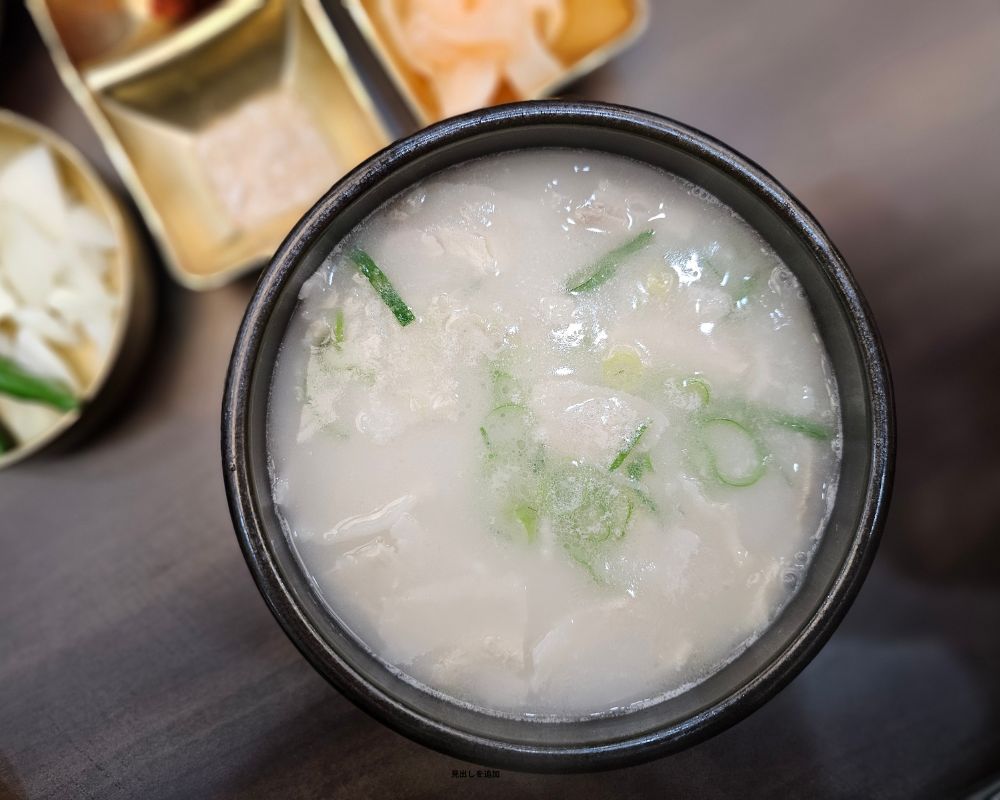
The final decision of a yakiniku meal often determines its overall impact on your diet goals.
Ending the meal with large portions of white rice, cold noodles, Bibimbap, or sweet desserts delivers refined carbohydrates that elevate blood sugar and encourage fat storage.
Instead of refined carbohydrates, Kuro5 recommends finishing your meal with our warm, house-made Komtan bone broth.
Our Komtan soup is pressure-cooked from beef marrow bones, delivering 5.5g of protein and only 0.3g of carbohydrates per 100g. Drinking warm bone broth soothes a stomach chilled by cold drinks, while collagen (gelatin) and amino acids (glutamine, glycine) coat and protect the stomach lining. It provides a satisfying, warming finish without added carbohydrates.
9. Comparison: 3 Key Differences Between Weight-Gaining Yakiniku and Kuro5’s Healthy Style
3 Differences Between Weight-Gaining Yakiniku and Kuro5’s Healthy Style
1. Cut Selection and Fat Content:
- Weight-Gaining Style: Focuses heavily on marbled Kalbi, special Loin, and fatty offal, leading to excessive calorie and fat intake.
- Kuro5 Healthy Style: Prioritizes L-Carnitine-rich lean cuts (Kamenoko, Shinshin) and low-fat offal (Kamimino, Tan-saki) to support fat burning and muscle maintenance.
2. Seasonings and Blood Sugar Control:
- Weight-Gaining Style: Relies on sweet soy sauces high in sugar and mirin, causing rapid blood sugar spikes and insulin release.
- Kuro5 Healthy Style: Utilizes low-sugar natural seasonings like salt, pepper, fresh lemon, and wasabi to maintain steady blood sugar while highlighting beef flavor.
3. Meal Finish and Post-Meal Recovery:
- Weight-Gaining Style: Concludes with large servings of cold noodles, rice, or sugary desserts, leading to fat storage and morning heaviness.
- Kuro5 Healthy Style: Concludes with low-carb (0.3g/100g) warm bone broth that coats the stomach lining with collagen, aiding digestion and next-day recovery.
10. Conclusion: No Need for Extreme Deprivation — Enjoy Healthy Yakiniku at Kuro5
You do not need to avoid yakiniku to achieve your health and fitness goals. By selecting lean cuts rich in L-Carnitine, utilizing light seasonings, and finishing with protective bone broth, yakiniku can actively support your health and fitness journey.
At Kuro5, our kitchen hand-prepares fresh Wagyu cuts like Kamenoko and Shinshin, low-fat Kamimino, and pressure-cooked bone broth. Our staff grills each piece over Binchotan charcoal to medium-rare perfection so you can enjoy premium Wagyu with confidence.
We invite you to visit Kuro5 Honten, Higashiguchi, or Kabukicho tonight for a satisfying, healthy yakiniku experience. We look forward to welcoming you.
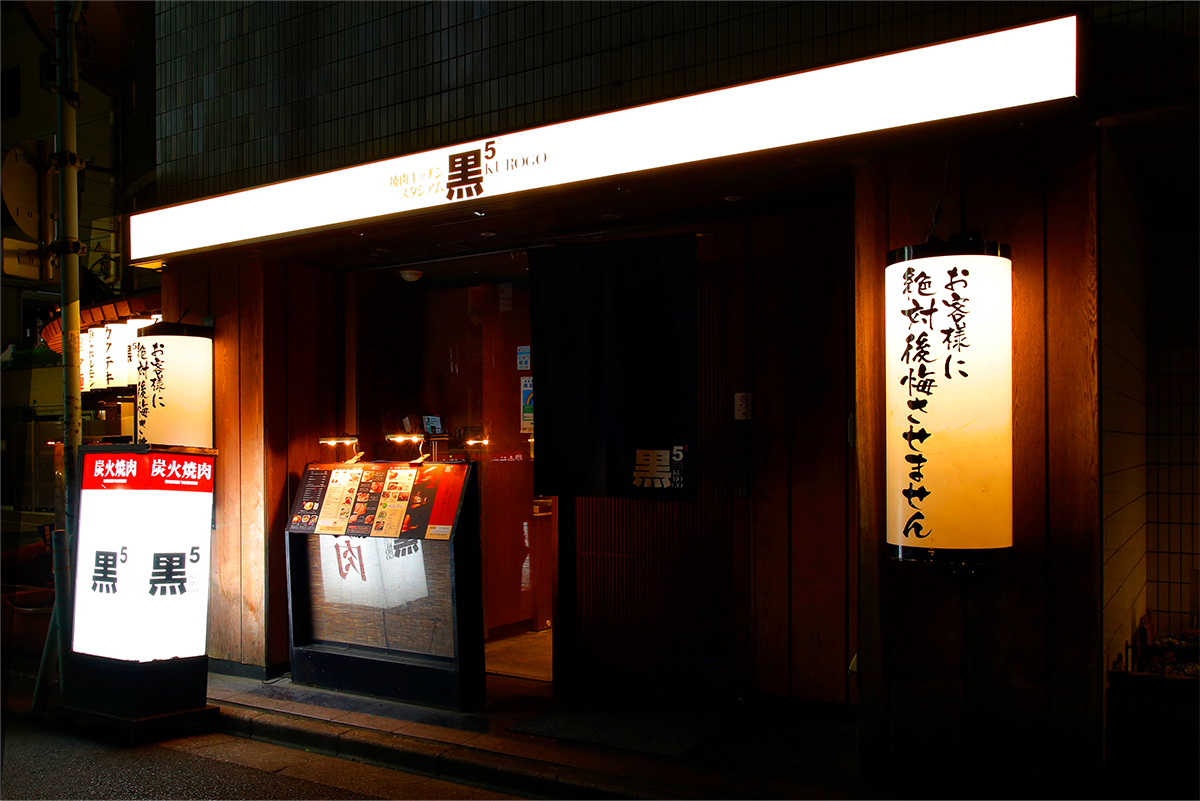
- Charcoal Yakiniku Kuro5 Honten
1F Nishi-Ikebukuro Bldg, 2-46-3 Nishi-Ikebukuro, Toshima-ku, Tokyo / 5 min walk from JR Ikebukuro Station - Charcoal Yakiniku Kuro5 Higashiguchi
1F Tsukiji Bldg, 1-42-16 Higashi-Ikebukuro, Toshima-ku, Tokyo / 3 min walk from JR Ikebukuro Station East Exit - Charcoal Yakiniku Kuro5 Kabukicho
1F Sankyo Akagawa Bldg, 2-21-4 Kabukicho, Shinjuku-ku, Tokyo

