



Table of Contents
- 1. A Bento Classic and Major Challenge: Why Does Cold Yakiniku Turn Tough and Greasy?
- 2. Searing and Serving Immediately is a Mistake? The Pro “Meat Resting” Technique
- 3. Perfect Harmony Between Tare and Rice: Pre-Seasoning Rice with a Sweet Glaze
- 4. Why Does Wagyu Taste Delicious Cold? The Secret of Low-Melting-Point Oleic Acid
- 5. Preventing White Fat Solidification: Temperature Control to Coat and Protect Beef
- 6. The Value of Charcoal Sealing: The Magic of Fragrant “Smokiness” in Lunch Boxes
- 7. Color and Nutritional Balance: Why House-Made Kimchi and Namul are Essential
- 8. Comparison: 3 Key Differences Between Standard Yakiniku Bento and Kuro5’s Bento
- 9. Popular for Corporate Events: Takeout and Delivery Information for Kuro5 Bento
- 10. Conclusion: Recreate Professional Cold Yakiniku Bento Tips in Your Home Kitchen
Hello everyone, this is Sondo from Kuro5.

For corporate meetings, events, special occasions, or a luxurious lunch, Yakiniku bento (lunch boxes) are highly popular. However, have you ever experienced a cold yakiniku lunch box where the beef turned tough and rubbery, the fat solidified into unappealing white patches, or the rice and meat sauce felt completely disconnected?
Beef muscle fibers contract and fat solidifies when cooled, making yakiniku one of the most difficult dishes to adapt for cold lunch boxes. However, Kuro5’s premium Wagyu bento is designed to remain tender, with smooth, melting fat and charcoal-seared aromas that meld with the rice even when cold. Today, I would like to explain the culinary logic behind making yakiniku taste delicious cold and share professional tips you can easily recreate in your own kitchen.
1. A Bento Classic and Major Challenge: Why Does Cold Yakiniku Turn Tough and Greasy?
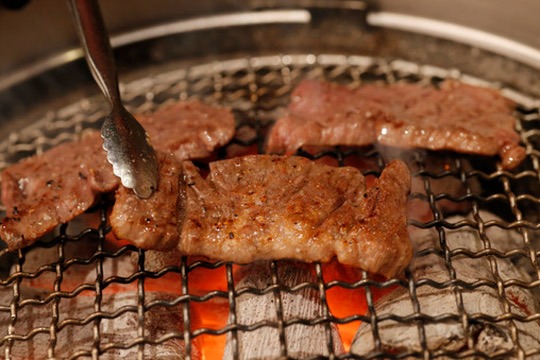
First, why does yakiniku that tastes delicious fresh from the grill become tough and greasy when cooled? This change relates to the physical behavior of meat moisture and fat.
When beef is heated, muscle proteins contract, squeezing out moisture (meat juice). While fresh-grilled meat is coated in warm juices, cooling causes these juices to evaporate, leaving the muscle fibers dry and tight. This dehydration is the primary reason cold beef turns tough.
Furthermore, standard beef fat has a high melting point, typically solidifying at temperatures between 40°C and 50°C. When a lunch box cools to room temperature (around 20°C), the rendered fat on the surface solidifies into white patches. Because this solidified fat does not melt at human body temperature (about 36°C), it leaves a heavy, greasy coating in the mouth, detracting from the dining experience. Understanding these physical changes is the first step toward improving cold lunch boxes.
2. Searing and Serving Immediately is a Mistake? The Pro “Meat Resting” Technique
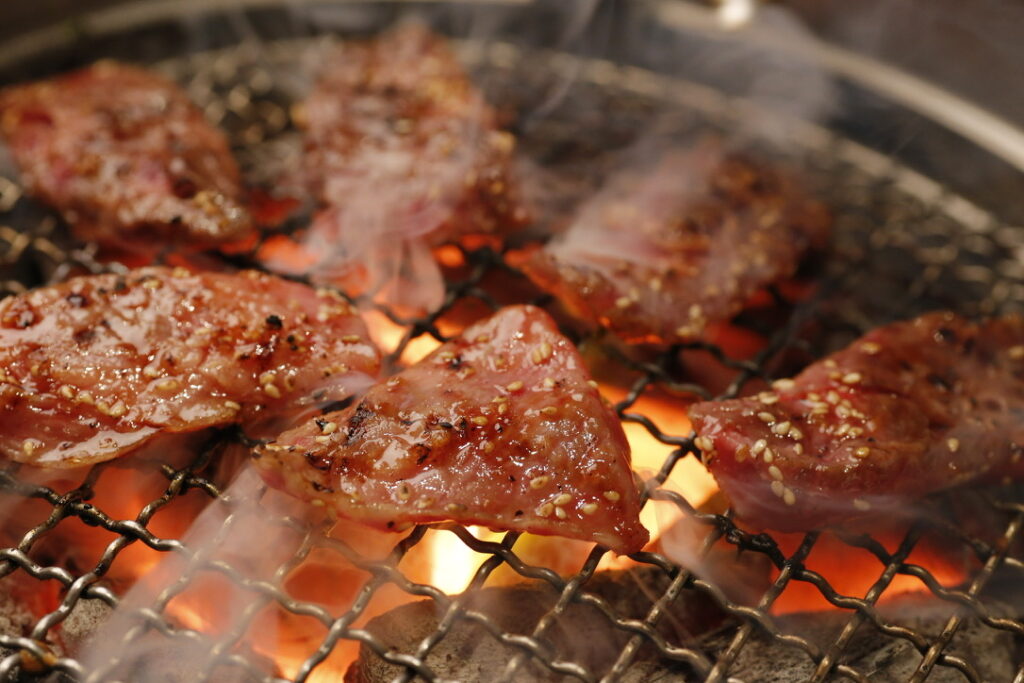
At Kuro5, we address these physical changes by following a simple but vital rule: “Do not place fresh-cooked beef directly onto the rice.”
Searing beef over high heat causes muscle fibers to contract, forcing the juices toward the center of the cut. Slicing the beef immediately or placing it directly onto hot rice causes these valuable juices to drain out, leaving the beef dry and turning the rice soggy.
Instead, we place our grilled Wagyu in a temperature-controlled resting area for a few minutes. Resting allows the muscle fibers to relax, redistributing the savory juices evenly throughout the meat. Excess grease drains away, keeping the surface clean. This simple step preserves tenderness and juiciness even when the beef cools. It is a valuable tip to remember when preparing any meat-based lunch boxes at home.
3. Perfect Harmony Between Tare and Rice: Pre-Seasoning Rice with a Sweet Glaze
The rice beneath the beef plays an equally important role in a lunch box. Standard preparations involve placing cooked beef over plain white rice and pouring sauce on top, which often leaves some parts dry and others oversaturated.
To ensure every bite is balanced, Kuro5 pre-seasons the rice. We gently toss our warm, freshly cooked rice with a light, sweet seasoning glaze before packing it.
Pre-seasoning the rice with a subtle sweetness and savory note allows the charcoal-infused meat juices to blend smoothly when the beef is added. Even as the rice starch cools and firms, the glaze helps maintain a plump, moist texture, preventing the grains from drying out and ensuring a balanced flavor profile throughout the box.
4. Why Does Wagyu Taste Delicious Cold? The Secret of Low-Melting-Point Oleic Acid
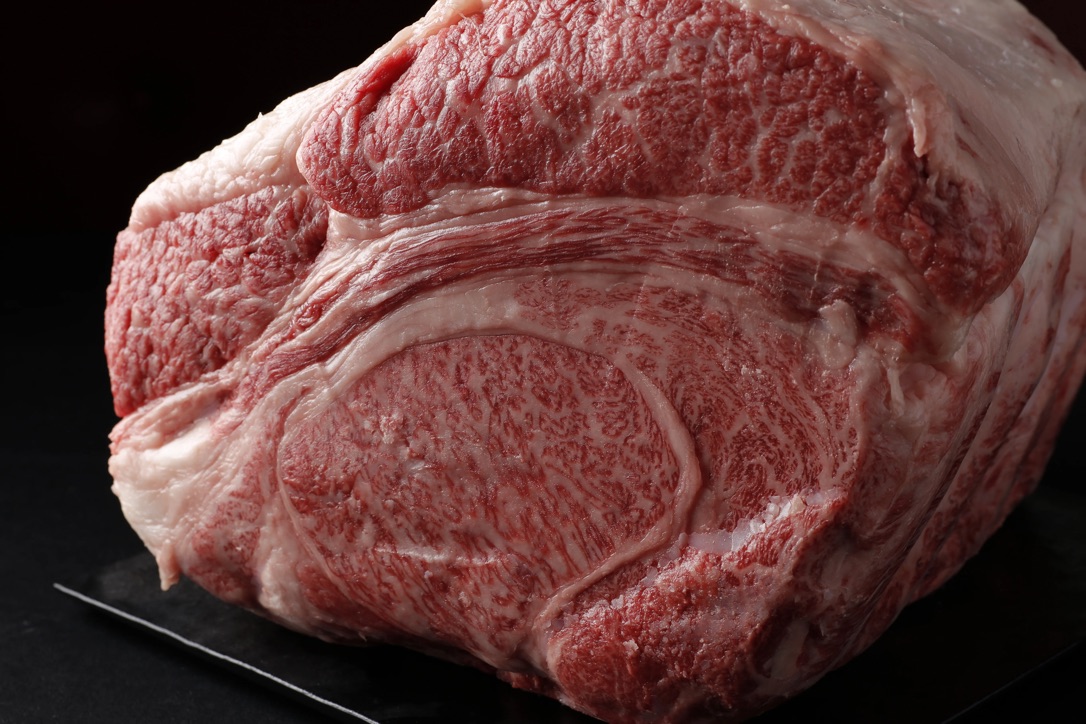
In addition to preparation techniques, Kuro5’s bento benefit from the quality of the beef we use: domestic A5-rank Kuroge Wagyu.
While standard beef fat solidifies at room temperature, Wagyu fat has a different molecular structure. It contains a high concentration of oleic acid, a monounsaturated fatty acid also found in olive oil.
Oleic acid has a low melting point, typically liquefying at temperatures between 15°C and 25°C. As a result, even when our bento cools to room temperature, the Wagyu fat does not solidify into heavy white patches. Instead, it remains as a clear, delicate coating on the beef. When placed in the mouth, the fat melts at body temperature (36°C), releasing its sweet flavor and aroma. This chemical property is why Wagyu remains tender and flavorful even when served cold.
5. Preventing White Fat Solidification: Temperature Control to Coat and Protect Beef

Managing the cooling rate of the lunch box is also crucial. Searing hot beef and immediately closing the bento lid traps steam inside, causing condensation. When water droplets drip back onto the beef, they wash away seasonings, turn the rice soggy, and increase the risk of food spoilage.
At Kuro5, we cool our prepared bento in a controlled cooling area to slowly lower the temperature before sealing them.
This gradual cooling allows the low-melting-point Wagyu fat to form a thin, protective barrier over the beef, locking in moisture and preventing drying. Once the bento reaches a safe temperature, we seal the lid, ensuring both food safety and flavor preservation.
6. The Magic of Fragrant “Smokiness” in Lunch Boxes
When you open a Kuro5 bento, you are greeted by a rich aroma that cannot be recreated with pan-frying or gas grills. This aroma comes from searing our beef over Binchotan charcoal.
When beef is grilled over charcoal, melting fat drips onto the hot coals, creating a savory smoke that rises and coats the meat. This infuses the beef with a deep, smoky aroma (Maillard reaction products).
Because flavor perception is closely tied to aroma, a strong, pleasant scent enhances the dining experience even when food is served cold. The smoky charcoal aroma remains intact when the bento is opened, stimulating your appetite and evoking the experience of dining at our grill tables.
7. Color and Nutritional Balance: Why House-Made Kimchi and Namul are Essential
To accompany our Wagyu, every bento includes our house-made kimchi and seasoned namul (bean sprouts, spinach, bracken). These sides serve important culinary and nutritional purposes beyond adding color to the box.
– Palate-Cleansing Acidity:
Eating rich beef can fatigue your palate. The bright acidity and mild spice of our fermented kimchi, paired with seasoned namul, help refresh your palate between bites of beef.
– Supporting Digestion and Nutrition:
The dietary fiber in namul and probiotics in kimchi support digestion and assist in absorbing iron and protein. They add texture and balance, making the meal satisfying and wholesome.
8. Comparison: 3 Key Differences Between Standard Yakiniku Bento and Kuro5’s Bento
3 Differences Between Standard Yakiniku Bento and Kuro5’s Bento
1. Beef Quality and Fat Melting Point:
- Standard Bento: Uses beef with fats that solidify at room temperature, leaving a heavy, white, greasy coating on the meat.
- Kuro5 Bento: Uses domestic A5 Wagyu rich in low-melting-point oleic acid, keeping fat clear and melting smoothly at body temperature.
2. Meat Resting and Moisture Retention:
- Standard Bento: Hot seared meat is placed directly on rice, causing juices to leak out and leave the beef dry while turning the rice soggy.
- Kuro5 Bento: Beef is rested for a few minutes before packing, letting juices settle within the fibers to preserve tenderness.
3. Rice Seasoning and Charcoal Scent:
- Standard Bento: Plain white rice is unevenly coated in poured sauce, lacking overall balance and smoky depth.
- Kuro5 Bento: Rice is pre-seasoned with a sweet glaze, and beef is seared over Binchotan charcoal for a rich, smoky aroma that persists when cold.
9. Popular for Corporate Events: Takeout and Delivery Information for Kuro5 Bento
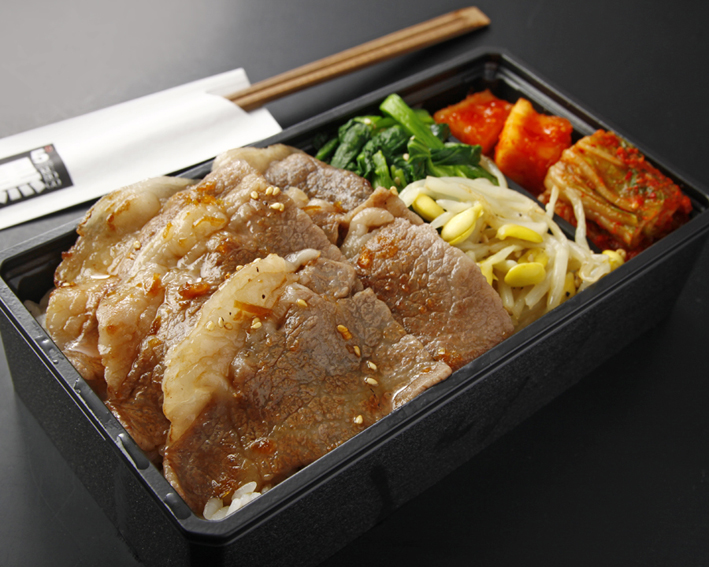
Kuro5’s premium Yakiniku bento boxes are popular for corporate meetings, executive dinners, media events, and family gatherings. We hand-trim our A5 Wagyu, sear it over Binchotan charcoal, and pack it with care to ensure a restaurant-quality meal at your location.
We accept advance orders for bento at Kuro5 Honten, Higashiguchi, and Kabukicho. For large orders, delivery options, or custom menu requests to fit your budget, please contact our shops directly by phone or via our official website. We look forward to helping make your next meeting or event a memorable dining experience.
10. Conclusion: Recreate Professional Cold Yakiniku Bento Tips in Your Home Kitchen
With careful preparation and attention to ingredient properties, cold yakiniku can taste tender and delicious. By resting your meat before packing, lightly seasoning the rice, and choosing quality cuts with clean fat, you can prepare excellent lunch boxes at home.
We encourage you to try these tips during your next home cooking session. For a taste of our charcoal-seared Wagyu bento, please contact Kuro5 to place an order. We look forward to serving you.
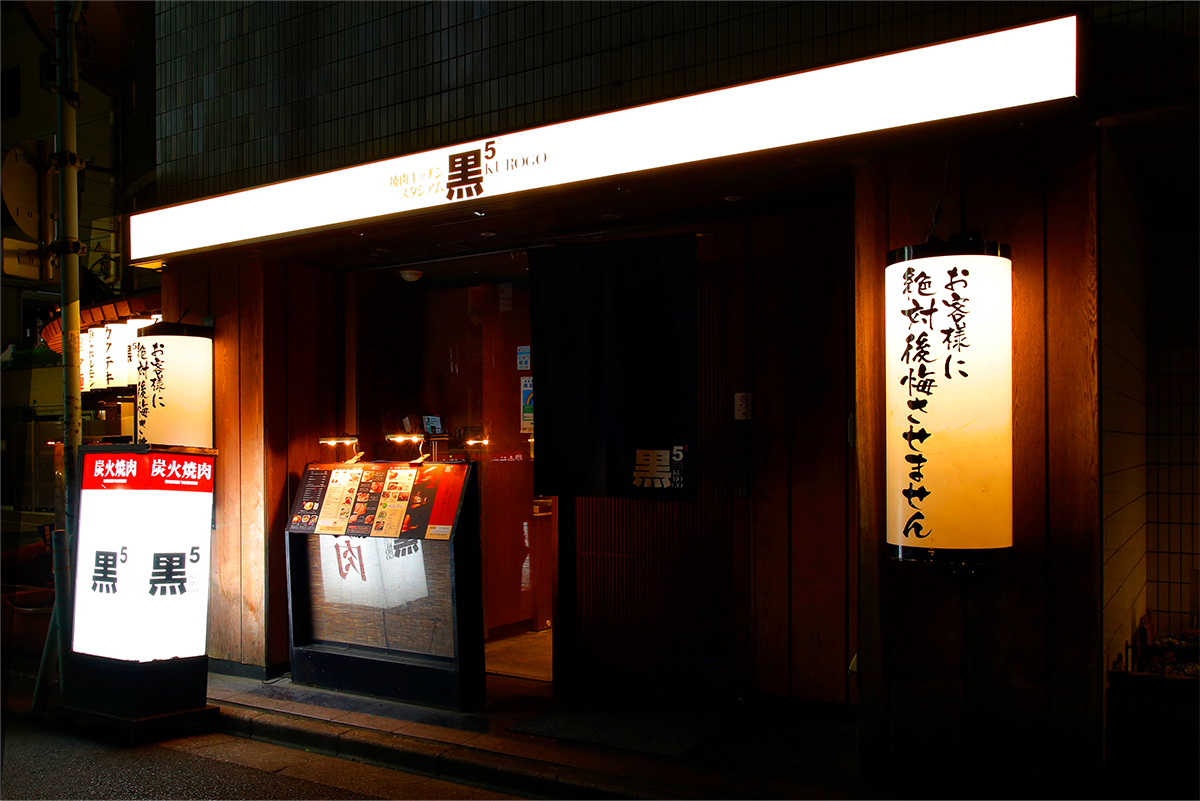
- Charcoal Yakiniku Kuro5 Honten
1F Nishi-Ikebukuro Bldg, 2-46-3 Nishi-Ikebukuro, Toshima-ku, Tokyo / 5 min walk from JR Ikebukuro Station - Charcoal Yakiniku Kuro5 Higashiguchi
1F Tsukiji Bldg, 1-42-16 Higashi-Ikebukuro, Toshima-ku, Tokyo / 3 min walk from JR Ikebukuro Station East Exit - Charcoal Yakiniku Kuro5 Kabukicho
1F Sankyo Akagawa Bldg, 2-21-4 Kabukicho, Shinjuku-ku, Tokyo

