



Table of Contents
- 1. The Ultimate Yakiniku Choice: How Should You Choose Between Sauce and Salt?
- 2. Born from Post-War Black Markets: The History of “Momi-dare” (Seasoning Rub)
- 3. The 1980s Logistics Revolution: Sourcing Fresh Wagyu and the Rise of Salt Selections
- 4. Searing for Maximum Flavor: The Science of the “Maillard Reaction” Over Charcoal
- 5. Cut-by-Cut Breakdown: Why Tongue Belongs to Salt and Harami Belongs to Miso-Tare
- 6. Why Premium Lean Cuts (Shinshin, Tomosankaku) are Best with Tare and Wasabi
- 7. Searing Immediately Without Pickling: Kuro5’s Commitment to Hand Coating Before Serving
- 8. Fresh Apples and Aromatic Herbs: Secret Ingredients to Enhance Sweetness and Body
- 9. Comparison: 3 Key Differences Between Yakiniku Sauce (Tare) and Salt Selections
- 10. Conclusion: Enjoy the Perfect Sauce and Salt Pairings at Kuro5 Tonight
Hello everyone, this is Sondo from Kuro5.
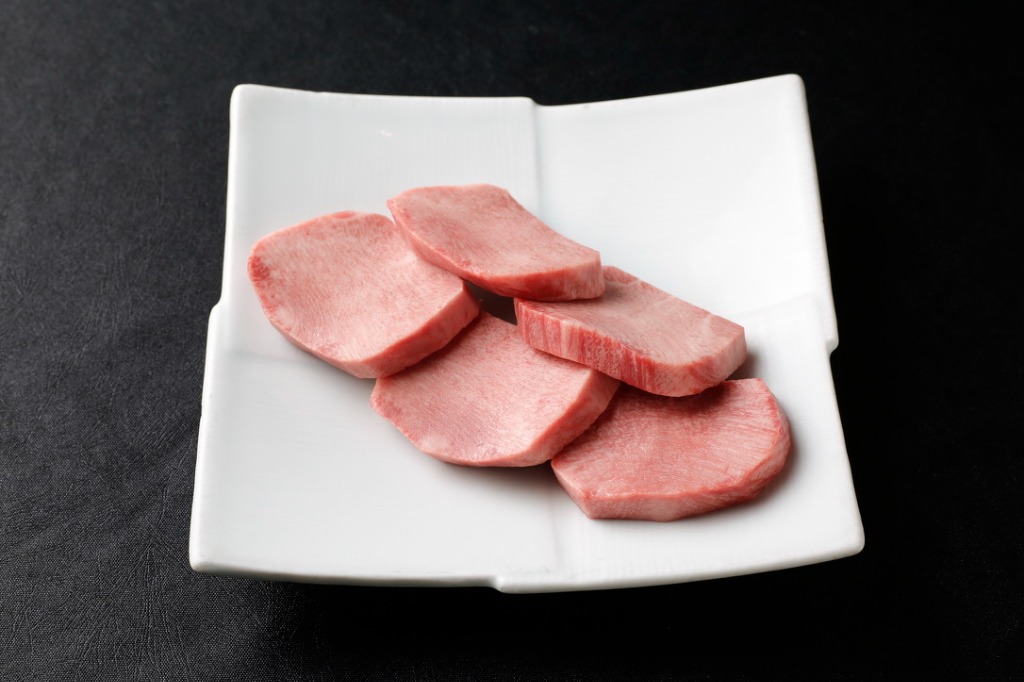
When you are seated at a yakiniku restaurant and place your first order, you are always asked: “Would you like sauce (tare) or salt?” Many guests have a set pattern: “Salt for tongue, sauce for Kalbi and Harami,” or “Salt for everything to appreciate the quality of the beef.”
In fact, both sauce and salt carry specific roles and chemical synergies designed to highlight the flavor of different cuts. Depending on the fat content, muscle fiber structure, and whether you grill over charcoal, the ideal seasoning choice changes completely. Furthermore, the history of yakiniku sauce in Japan represents decades of culinary developments from post-war black markets to modern premium Wagyu. Today, I would like to explain the history of yakiniku sauce, the science behind choosing sauce or salt, and Kuro5’s commitment to our secret ingredients and hand-coating methods.
1. The Ultimate Yakiniku Choice: How Should You Choose Between Sauce and Salt?
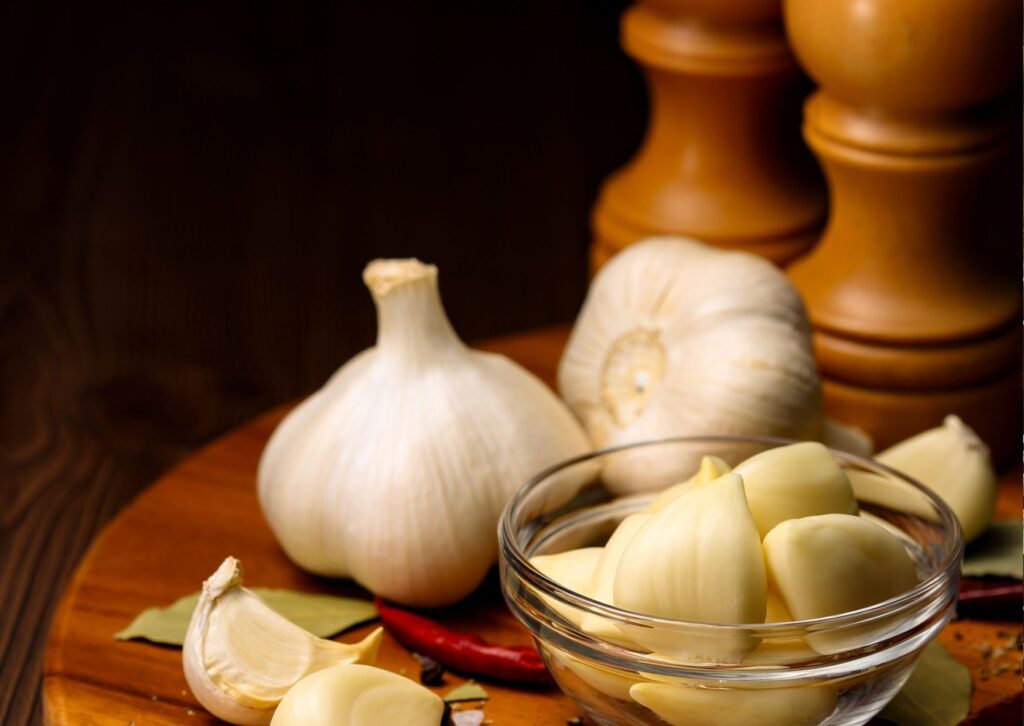
Why is the choice between sauce and salt so important in yakiniku? Because seasonings act as a catalyst to highlight the natural qualities of the beef.
Whether you want to experience the clean mineral notes and iron content of lean beef directly, or combine Wagyu fats with caramelized sugar to complete the flavor over charcoal, your approach must differ. Using the wrong seasoning for a marbled cut can leave a heavy coating on your palate, while using weak seasoning on thick, robust fibers can result in a flat taste.
Understanding how to pair sauce and salt is the key to highlighting each cut’s character, ensuring a balanced dining experience from your first bite to the end of your meal.
2. Born from Post-War Black Markets: The History of “Momi-dare” (Seasoning Rub)
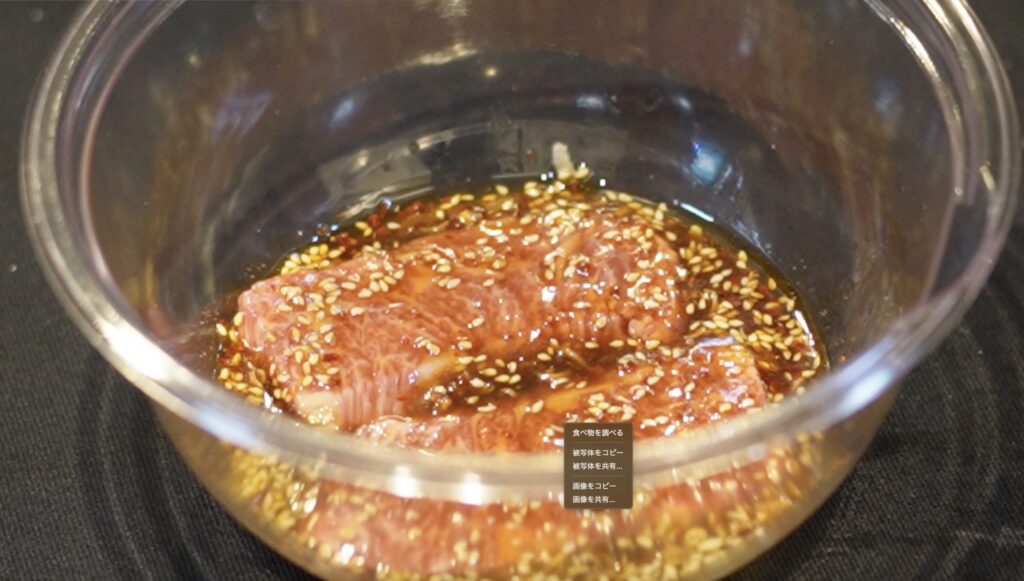
The history of Japanese yakiniku is closely tied to the development of “tare” (sauce). Its roots trace back to post-war black markets in the late 1940s, where street stalls served grilled offal (horumon-yaki).
At the time, refrigeration and meat processing were undeveloped, leaving offal with strong odors. To make these cuts palatable, street cooks developed “momi-dare” (seasoning rubs) and miso pastes packed with garlic, ginger, and green onions to mask odors and tenderize the meat.
The acids and enzymes in these rubs softened the fibers, while garlic and ginger compounds neutralized odor molecules. Searing the seasoned offal over open fire caramelized the sugars, transforming tough offal into a savory dish. The history of Japanese yakiniku began as a technology of sauces designed to enhance cuts and create flavor.
3. The 1980s Logistics Revolution: Sourcing Fresh Wagyu and the Rise of Salt Selections
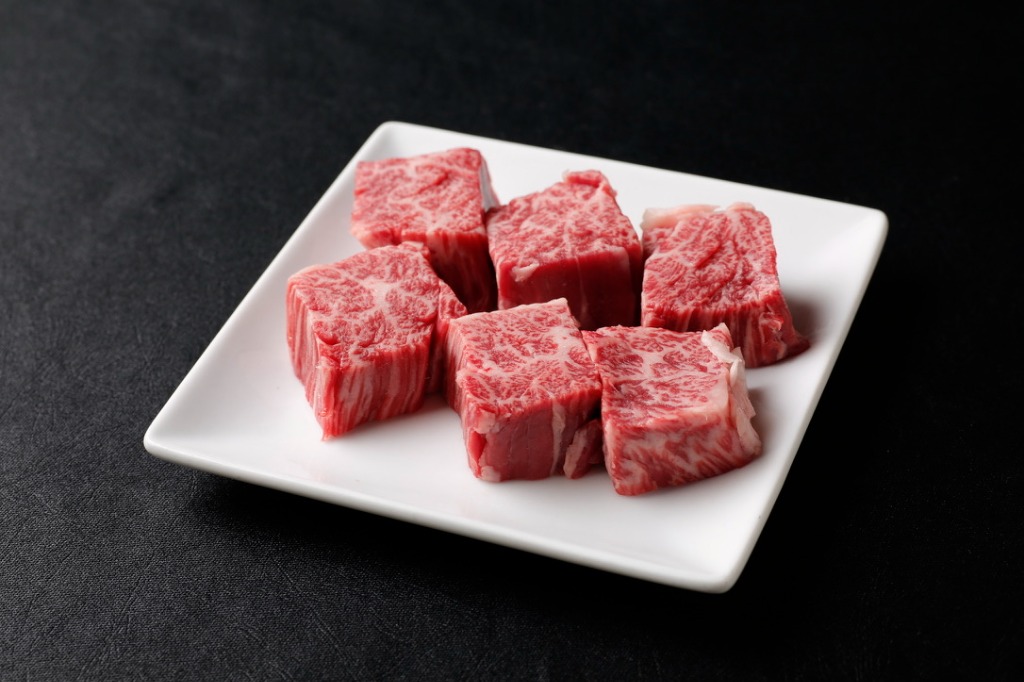
Yakiniku cuisine evolved rapidly in the 1980s. Alongside economic growth, domestic Wagyu breeding techniques advanced, and chilled distribution networks allowed restaurants to source fresh, never-frozen beef under strict temperature control.
With clean, high-quality beef readily available, chefs no longer needed heavy seasonings to mask odors. The culinary focus shifted toward highlighting the natural sweetness and clean fat profiles of fresh Wagyu.
This period established the popularity of “salted yakiniku” (shio-yaki), typically served with sea salt, sesame oil, and fresh lemon. Yakiniku seasoning evolved from a method of masking imperfections to a refined system of pairing sauce or salt to complement the properties of each cut.
4. Searing for Maximum Flavor: The Science of the “Maillard Reaction” Over Charcoal
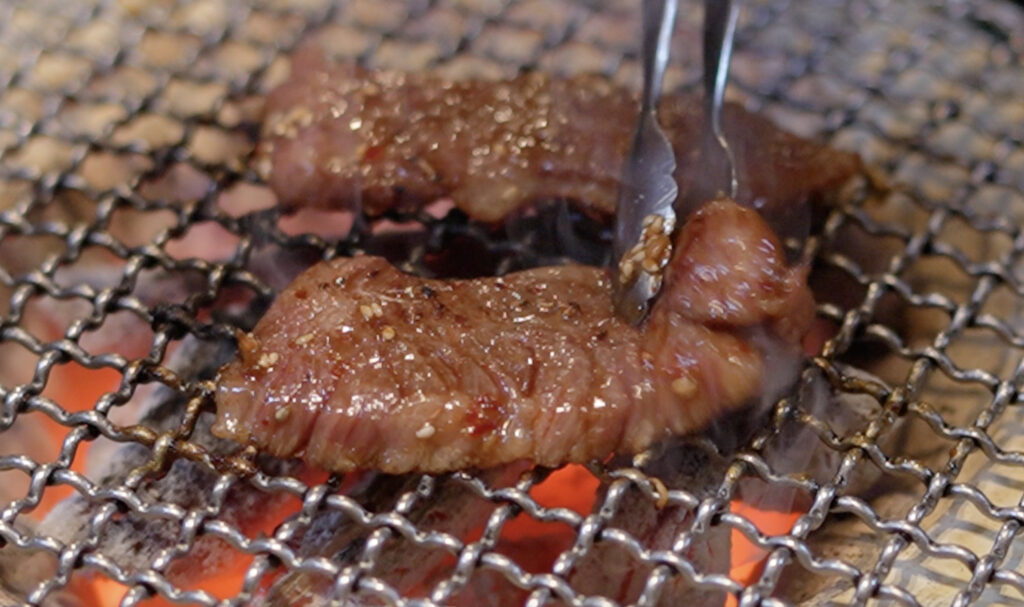
Why do marbled cuts like Kalbi and ribeye pair so well with sweet sauces? The secret lies in the Maillard reaction and charcoal smoke synergy.
Yakiniku sauce contains amino acids from soy sauce and reducing sugars from fruit juices. Searing these sugars and proteins over high heat (150°C+) triggers the Maillard reaction, producing melanoidins—the compounds responsible for savory, caramelized aromas.
As Wagyu fat drips onto the hot coals, it vaporizes into a fragrant smoke that wraps around the beef. Searing the caramelized sauce over this rising smoke produces a rich flavor profile. This savory aroma helps balance the sweetness of Wagyu fat, ensuring marbled cuts taste satisfying without feeling heavy on the palate.
5. Cut-by-Cut Breakdown: Why Tongue Belongs to Salt and Harami Belongs to Miso-Tare
Here is a professional guide to pairing seasonings based on cut structures and fat profiles:
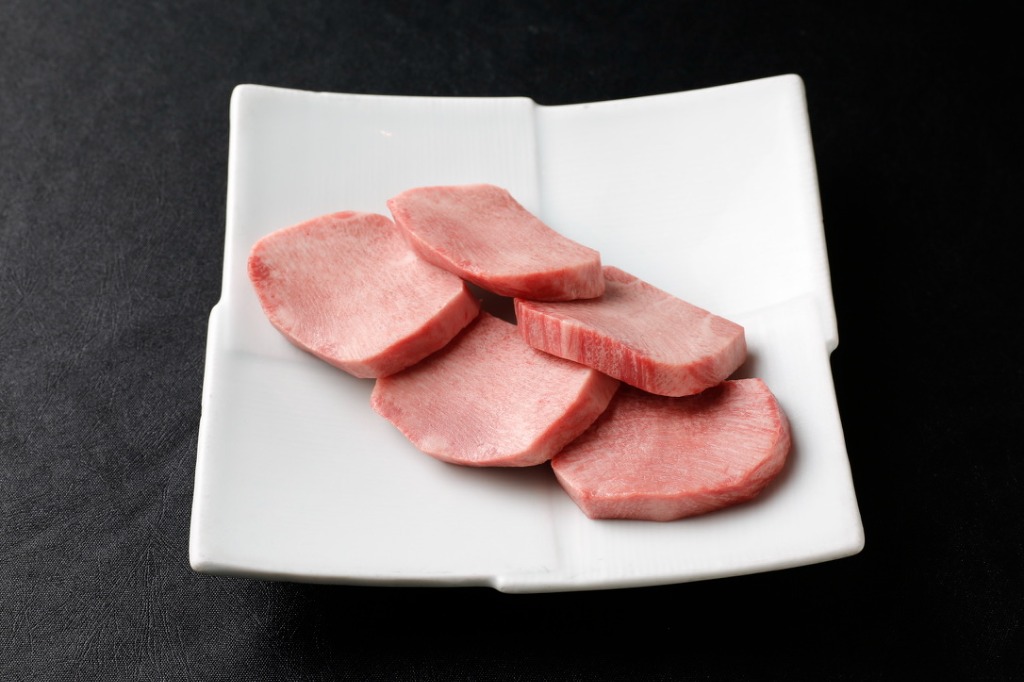
– Beef Tongue is Best with Salt:
Tongue features a crisp, muscular texture and a clean, delicate flavor. To highlight these qualities, simple sea salt and a squeeze of fresh lemon juice serve as the ideal pairing, refreshing the palate without masking the beef’s profile. However, tough, rich cuts like tongue root (Tan-moto) or tongue underside (Tan-shita) can be sliced thin and grilled with savory miso-tare, or seasoned with salt, black pepper, sesame oil, and grated garlic for an excellent, highly recommended pairing for true connoisseurs.
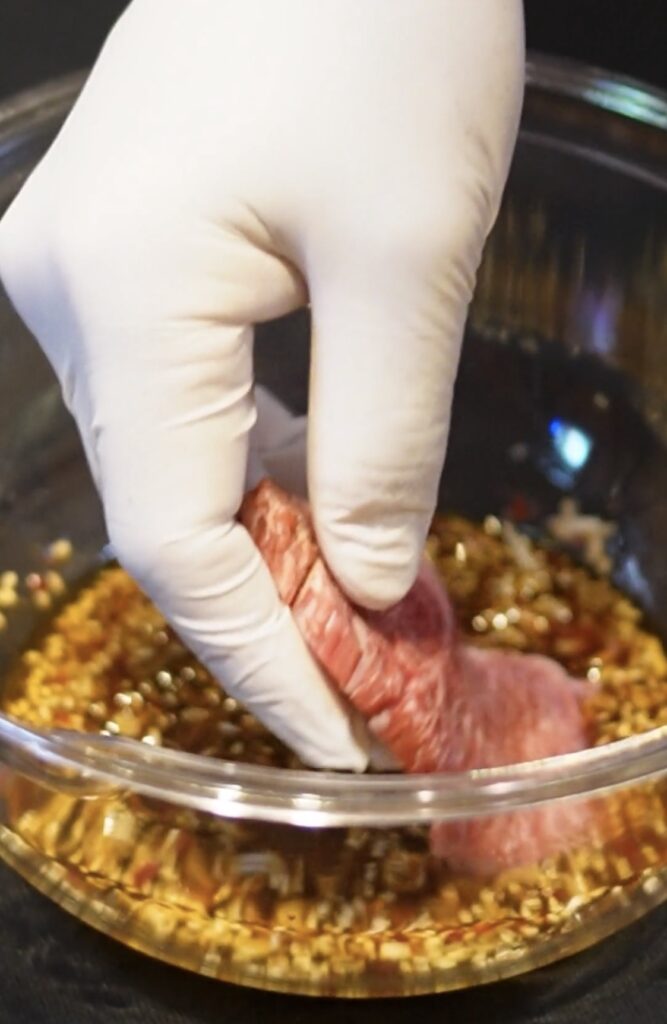
– Harami Pairs with Tare to Bring Out Wild Umami:
While premium Harami is delicious with just salt, yakiniku experts and connoisseurs choose to pair it with tare to bring out its wild, robust flavor. Harami (skirt steak) has thick muscle fibers that hold moisture and deep, robust umami, making it a perfect match for sweet soy-based tare. At Kuro5, we blend a touch of miso into our tare to elevate its depth. Another pro tip is to lightly season Harami with salt, grill it, and dip it in garlic soy sauce using freshly grated raw garlic. The fresh bite of raw garlic and the savory soy sauce boost the wild, robust flavor of the Harami.

– Caramelized Miso is the True Highlight for Offal and Mino:
If offal and Mino (rumen) are fresh and prepared with proper care, simple salt and pepper is excellent for tasting their natural flavor. Adding sesame oil, grated garlic, and red chili powder makes it a perfect, highly recommended pairing with drinks. However, the true highlight of grilling offal and Mino is the exceptional, caramelized aroma of rich miso-tare seared over hot charcoal. Searing the miso over Binchotan heat caramelizes the sugars, combining with the sweet fats to create a rich flavor profile.
6. Why Premium Lean Cuts (Shinshin, Tomosankaku) are Best with Tare and Wasabi
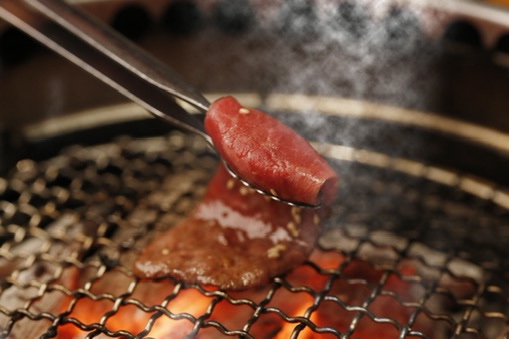
Many diners believe that premium lean cuts like Shinshin or Tomosankaku should only be eaten with salt to preserve their delicate profile. While salt is excellent, Kuro5 recommends pairing these seared cuts with sweet tare and fresh wasabi.
Our chefs coat these thin cuts in tare immediately before grilling. Once seared quickly over charcoal to caramelize the sugars, we serve them with a touch of grated wasabi on top—no dipping sauce required.
The low-melting Wagyu fat and the caramelized sweetness of the tare coat the palate, neutralizing the sharp heat of the wasabi. This leaves only the fresh, clean aroma of the wasabi, balancing the sweet tare and beef juices for a savory finish similar to enjoying premium grilled eel with wasabi. This pairing remains highly popular among our regular guests.
7. Searing Immediately Without Pickling: Kuro5’s Commitment to Hand Coating Before Serving
Guests often note that Kuro5’s sauce-grilled cuts remain tender and juicy. This texture comes from our preparation rule: “Never soak or pickle the beef in sauce for long periods.”
Leaving beef in salted sauces for hours draws out natural moisture through osmotic pressure, drying out the fibers. Additionally, fruit enzymes in the sauce can over-tenderize the proteins, leaving the beef mushy when grilled.
To preserve tenderness, we hand-slice the beef and coat it in tare immediately before serving. This applies a thin, even layer of sauce to the surface, protecting the meat’s moisture while allowing the tare to caramelize perfectly over the charcoal flames.
8. Fresh Apples and Aromatic Herbs: Secret Ingredients to Enhance Sweetness and Body
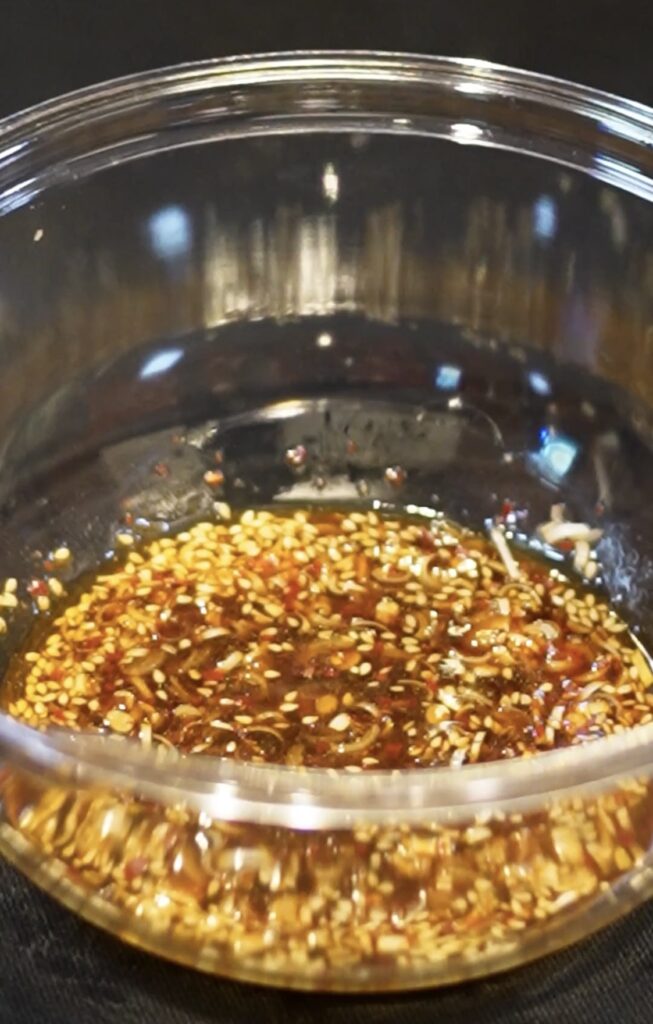
Kuro5’s house-made tare is crafted to complement and enhance the natural flavors of the beef without artificial preservatives or additives. We use a precise blend of seasonings to bring out the depth of the meat’s umami.
We blend our dipping tare with freshly grated apples. The natural malic and citric acids in apples balance the Wagyu fat, producing a clean, fruity sweetness. Furthermore, our preparation rub (momi-dare) includes finely minced green onions to add viscosity, helping the sesame oil, garlic, and tare cling evenly to the beef before it hits the grill. All these elements harmonize to create Kuro5’s signature, balanced sauce.
9. Comparison: 3 Key Differences Between Yakiniku Sauce (Tare) and Salt Selections
3 Differences Between Yakiniku Sauce (Tare) and Salt Selections
1. Flavor Profile and Cooking Role:
- Yakiniku Sauce (Tare): Triggers the Maillard reaction to caramelize sugars and proteins over the charcoal heat, balancing rich fats with sweet, smoky depth.
- Salt Selection: Minimizes added flavors to highlight the crisp texture of tongue or the clean, mineral notes of lean red beef directly.
2. Pairing with Beef Cuts and Fats:
- Yakiniku Sauce (Tare): Best for marbled cuts (Kalbi, Loin), robust fibers (Harami with miso-tare), and fatty offal (Shimacho).
- Salt Selection: Best for lean beef round (Kamenoko), muscular cuts (Tan-saki), and light offal (salted Mino).
3. Preparation and Ingredients:
- Standard Tare: Beef is soaked in sauce for hours, drawing out juices and leaving the fibers dry when grilled.
- Kuro5 Tare: Meat is coated in sauce immediately before serving to preserve moisture, using fresh grated apples and aromatic green onions.
10. Conclusion: Enjoy the Perfect Sauce and Salt Pairings at Kuro5 Tonight
The choice between yakiniku sauce and salt represents a thoughtful system of culinary pairings. Searing caramelized sugars or using simple salt helps highlight the unique character of each cut of beef.
At Kuro5, we hand-coat our fresh Wagyu immediately before serving, using grated fresh apples, aromatic green onions, and custom miso blends to match each cut’s properties.
We invite you to visit Kuro5 Honten, Higashiguchi, or Kabukicho tonight. Let our staff grill our signature cuts for you at your table, paired with our selection of sauces and salts.
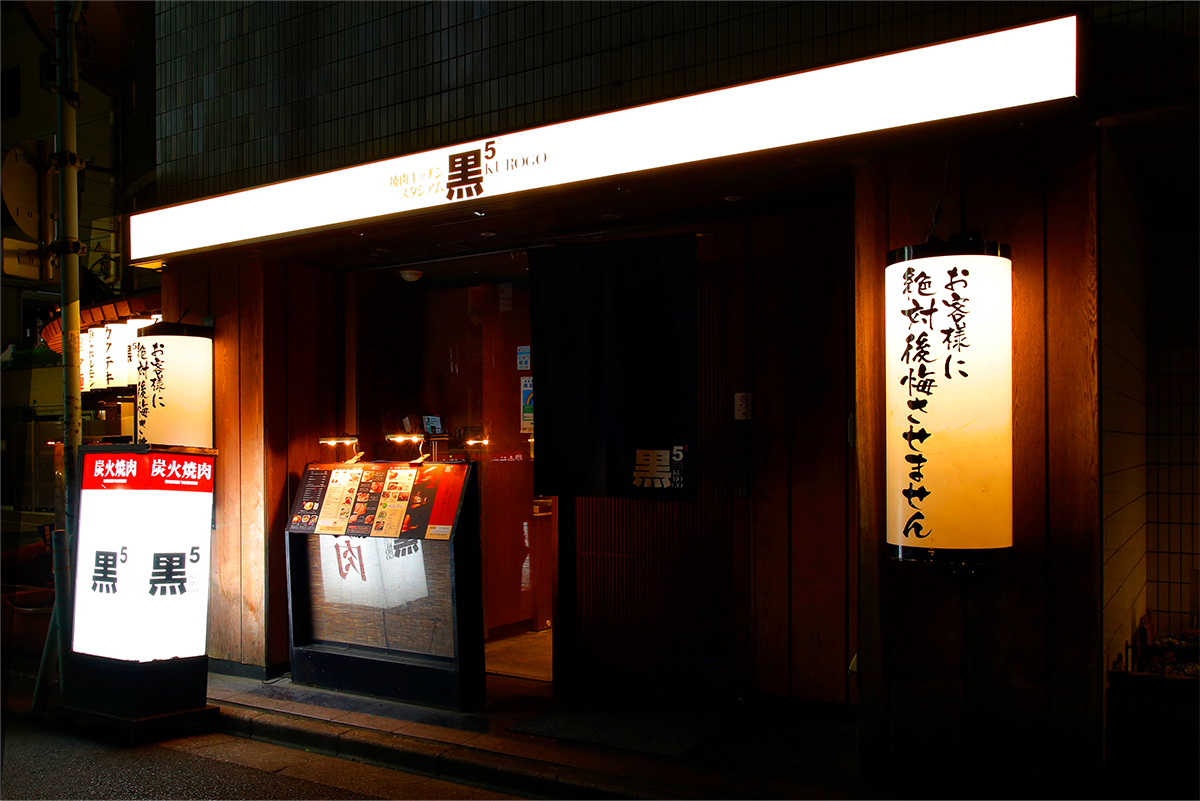
- Charcoal Yakiniku Kuro5 Honten
1F Nishi-Ikebukuro Bldg, 2-46-3 Nishi-Ikebukuro, Toshima-ku, Tokyo / 5 min walk from JR Ikebukuro Station - Charcoal Yakiniku Kuro5 Higashiguchi
1F Tsukiji Bldg, 1-42-16 Higashi-Ikebukuro, Toshima-ku, Tokyo / 3 min walk from JR Ikebukuro Station East Exit - Charcoal Yakiniku Kuro5 Kabukicho
1F Sankyo Akagawa Bldg, 2-21-4 Kabukicho, Shinjuku-ku, Tokyo

