



Table of Contents
- 1. The Undisputed Favorite: Why is Harami Loved by So Many Yakiniku Enthusiasts?
- 2. The Hidden Truth: Why Harami is Classified as Offal (Horumon) Rather Than Red Meat
- 3. Does Freezing Destroy Umami? The Science of Ice Crystals and “Drip Loss”
- 4. Why Does Frozen Meat Taste Dry or Metallic? Oxidation and Amino Acid Loss
- 5. Kuro5’s Commitment to Fresh (Never-Frozen) Beef: Intact Cells and Incredible Juiciness
- 6. Only 2kg Per Cow: The Ultra-Rarity and Rich Sweetness of Domestic A5 Wagyu Harami
- 7. 2cm Thick & No Score Cuts: Why Fresh Wagyu Harami Needs No Score Cuts
- 8. Binchotan & 10-15 Second Flipping: The Pro Technique for Sealing in Juices
- 9. Comparison: 3 Key Differences Between Standard Frozen Harami and Kuro5 Fresh Wagyu Harami
- 10. Conclusion: Experience Authentic Fresh Harami at Kuro5 Tonight
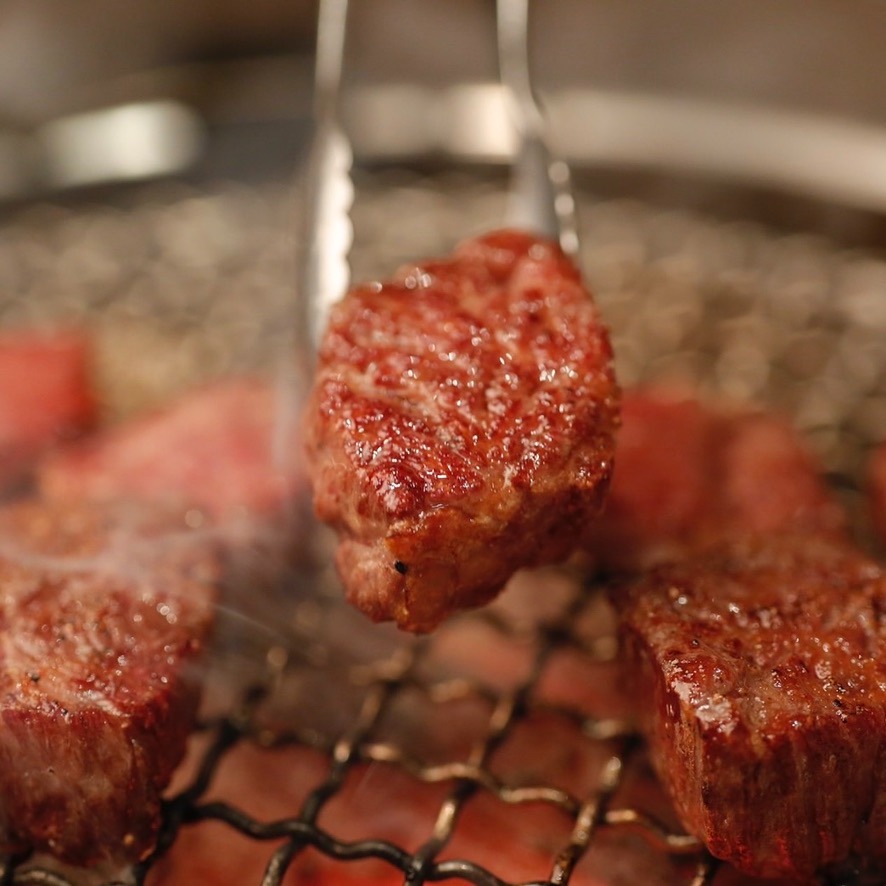
Hello everyone, this is Sondo from Kuro5.
When you visit a yakiniku restaurant, what is the number one cut you look forward to ordering alongside Kalbi and Loin? For many meat lovers, the immediate answer is “Harami” (skirt steak)—celebrated for its tender texture, rich savory flavor, and juicy finish. It offers a satisfying bite without being as heavy as Kalbi, making it a timeless favorite across all generations.
However, did you know that most of the Harami served at standard yakiniku restaurants is actually “frozen Harami” that was frozen solid before being thawed in the kitchen? Between standard frozen Harami and fresh (never-frozen) Harami, which is kept chilled from sourcing to your table, there is a fundamental difference in texture, aroma, and juiciness. Why does freezing meat degrade its flavor? The answer lies in microscopic cellular structures and fluid dynamics. Today, I would like to explore the appeal of Harami and share the secrets behind Kuro5’s founding obsession with fresh Wagyu and fresh Harami.
1. The Undisputed Favorite: Why is Harami Loved by So Many Yakiniku Enthusiasts?
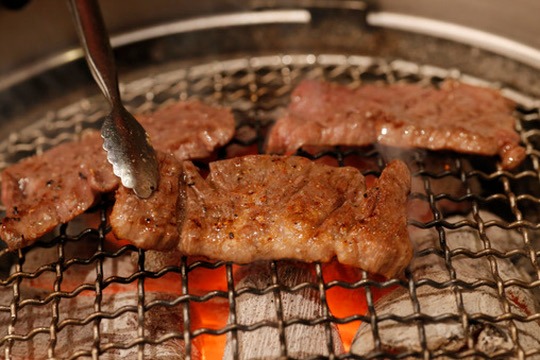
First, let us examine why Harami captivates so many diners.
The main attraction of Harami is its perfect balance between rich umami and a light, clean finish. Highly marbled Kalbi delivers an incredible first impression, but eating multiple pieces can feel heavy on the stomach. On the other hand, lean cuts like Loin are easy to eat, but you may sometimes want a juicier, more substantial flavor. Harami combines the best qualities of both.
Within its tender muscle fibers, fine marbling is evenly distributed. When seared over charcoal, the surface crisps up while rich juices burst forth with every bite. Yet because its fat profile is light, it never leaves your stomach feeling heavy. This golden balance—offering the satisfaction of Kalbi with the lightness of Loin—is why Harami remains a king among yakiniku cuts.
2. The Hidden Truth: Why Harami is Classified as Offal (Horumon) Rather Than Red Meat
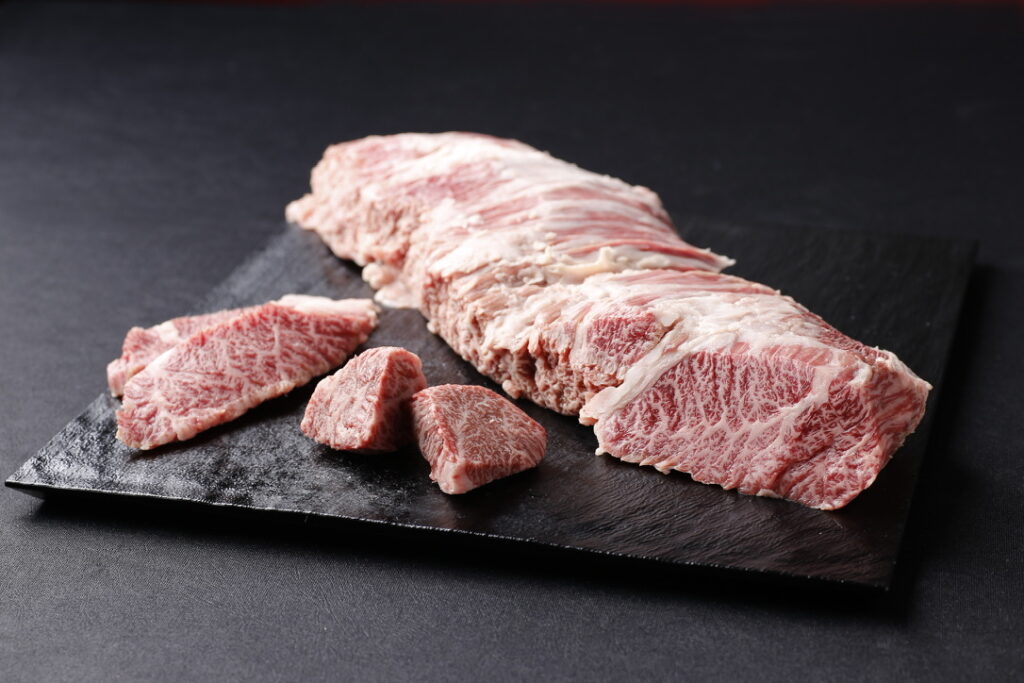
While Harami looks and tastes like a premium red steak, it holds an interesting classification in the meat industry. According to agricultural and culinary standards in Japan, Harami is classified not as primary red muscle meat, but as offal (Horumon).
Specifically, Harami is the cow’s diaphragm muscle. The thinner back portion of the diaphragm is called “Harami,” while the slightly thicker abdominal portion is called “Sagari.” In humans, this is the respiratory muscle that moves when you hiccup. Why does an internal diaphragm muscle taste so much like rich red meat?
Because the diaphragm is a respiratory muscle (red muscle) that works continuously 24/7 as the cow breathes, it consumes large amounts of oxygen, making it rich in myoglobin protein and iron, giving it a deep red color. Furthermore, unlike leg muscles that support heavy body weight and grow tough, the diaphragm remains flexible and soft. As a result, when cooked, it does not toughen up, offering the deep richness of offal combined with the tenderness of red meat.
3. Does Freezing Destroy Umami? The Science of Ice Crystals and “Drip Loss”
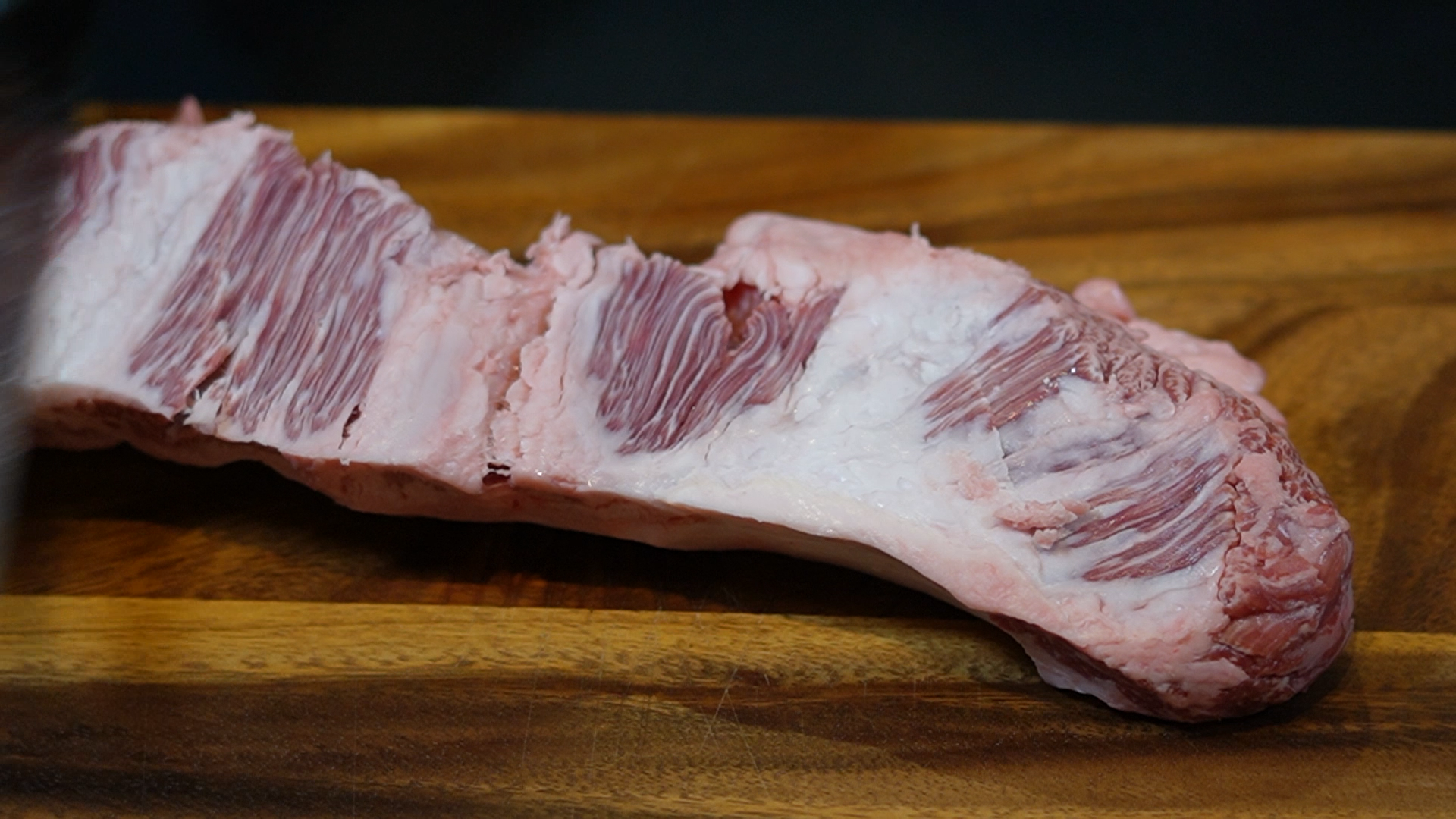
Now let us address the core question. Despite Harami’s qualities, most Harami at standard restaurants is frozen for long-distance ocean transport or easier inventory management. However, freezing meat even once alters its fundamental quality. There is a clear scientific reason for this.
Meat is composed of roughly 60% to 70% water. When meat is frozen, the water inside its cells freezes into ice crystals. In standard commercial freezing, where temperature drops slowly, these ice crystals grow large and sharp, acting like microscopic needles that puncture and destroy the cell walls from within.
When this frozen meat is thawed in the kitchen, the fluid held inside the cells leaks out through the damaged cell walls. This liquid is known as “drip loss.” While it might look like clear fluid or blood, this drip is packed with the meat’s primary umami components (glutamic acid and inosinic acid), amino acids, vitamins, and minerals. Losing drip means draining away the beef’s natural flavor and nutritional value.
4. Why Does Frozen Meat Taste Dry or Metallic? Oxidation and Amino Acid Loss
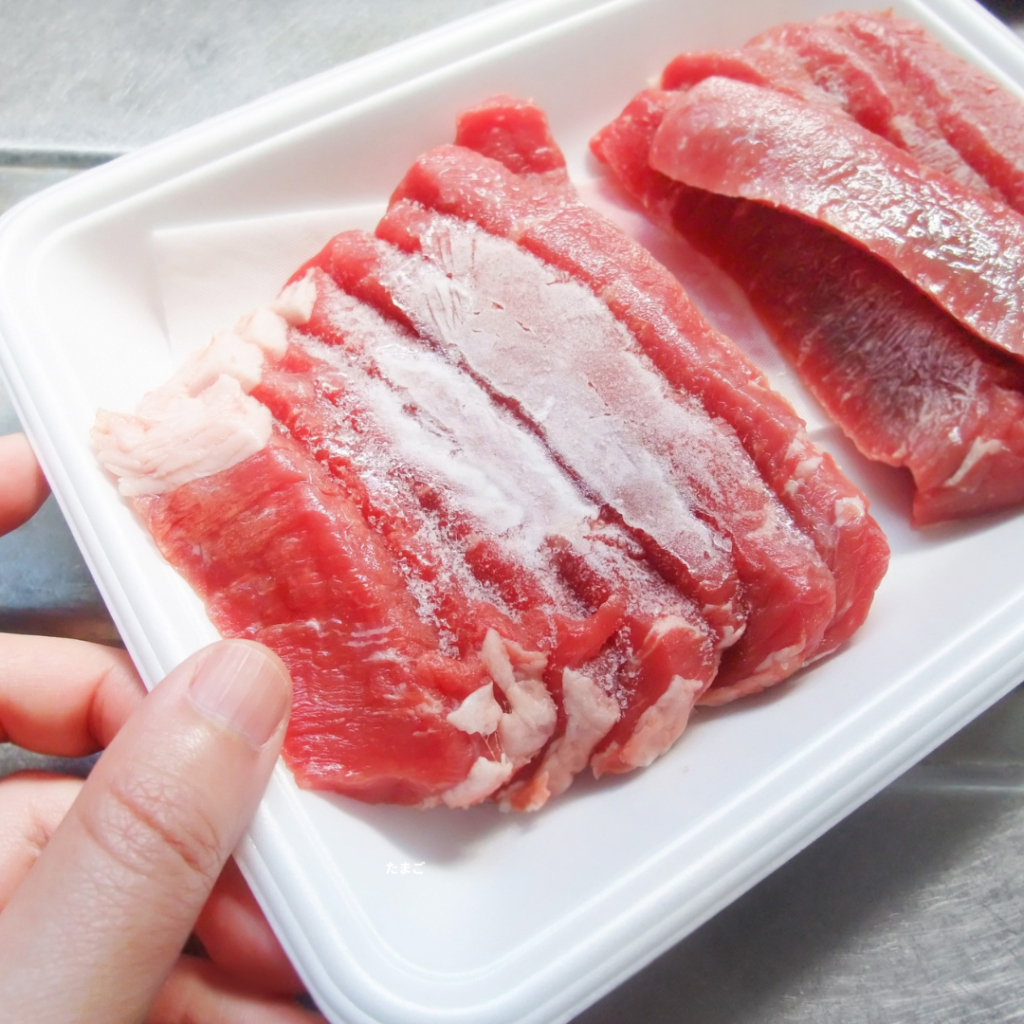
Thawed meat that has lost its cellular fluid exhibits two major flaws when placed on the grill.
First, because the cell walls are damaged and can no longer hold moisture or fat, heat causes the remaining moisture to evaporate immediately. As a result, the cooked beef becomes dry, chewy, and fibrous. No matter how rich the marinade is, it cannot restore the natural juiciness of intact meat cells.
Second, there is the issue of odor. As the leaked fluid (containing blood and moisture) contacts the air, the fats and hemoglobin oxidize rapidly. This oxidation produces a stale, metallic, or bloody odor. Because diaphragm and tongue tissues have active blood circulation, they are especially vulnerable to oxidation odor when frozen and thawed. If you have ever disliked Harami due to a metallic aftertaste, you were likely tasting oxidized drip loss from frozen meat rather than true Harami.
5. Kuro5’s Commitment to Fresh (Never-Frozen) Beef: Intact Cells and Incredible Juiciness
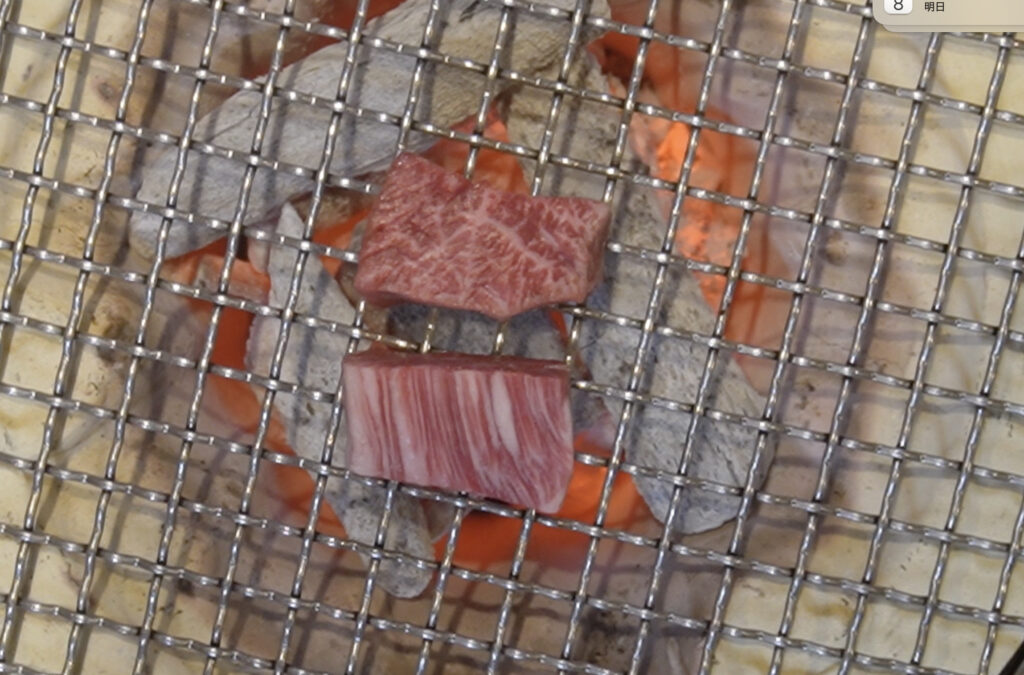
At Kuro5, our founding principle is our uncompromising commitment to fresh, never-frozen beef. From sourcing to preparation to your table, our beef is never placed in a freezer.
Our Wagyu Harami and Wagyu tongue are shipped fresh under strict chilled temperature control (0°C to 2°C). Because it is never frozen, the cell walls remain 100% intact. The natural moisture, amino acids, and low-melting-point oleic fats stay sealed inside the cells.
When fresh Harami is placed on our charcoal grill, no drip leaks out. As far-infrared heat warms the meat, the intact cell walls lock the juices inside, causing the meat to plump up on the grate. The moment you bite into fresh Wagyu Harami, smooth tenderness yields to a burst of rich juice and sweet Wagyu fat. Free of dryness or metallic odor, this clean, rich flavor is only possible with fresh, never-frozen Wagyu.
6. Only 2kg Per Cow: The Ultra-Rarity and Rich Sweetness of Domestic A5 Wagyu Harami
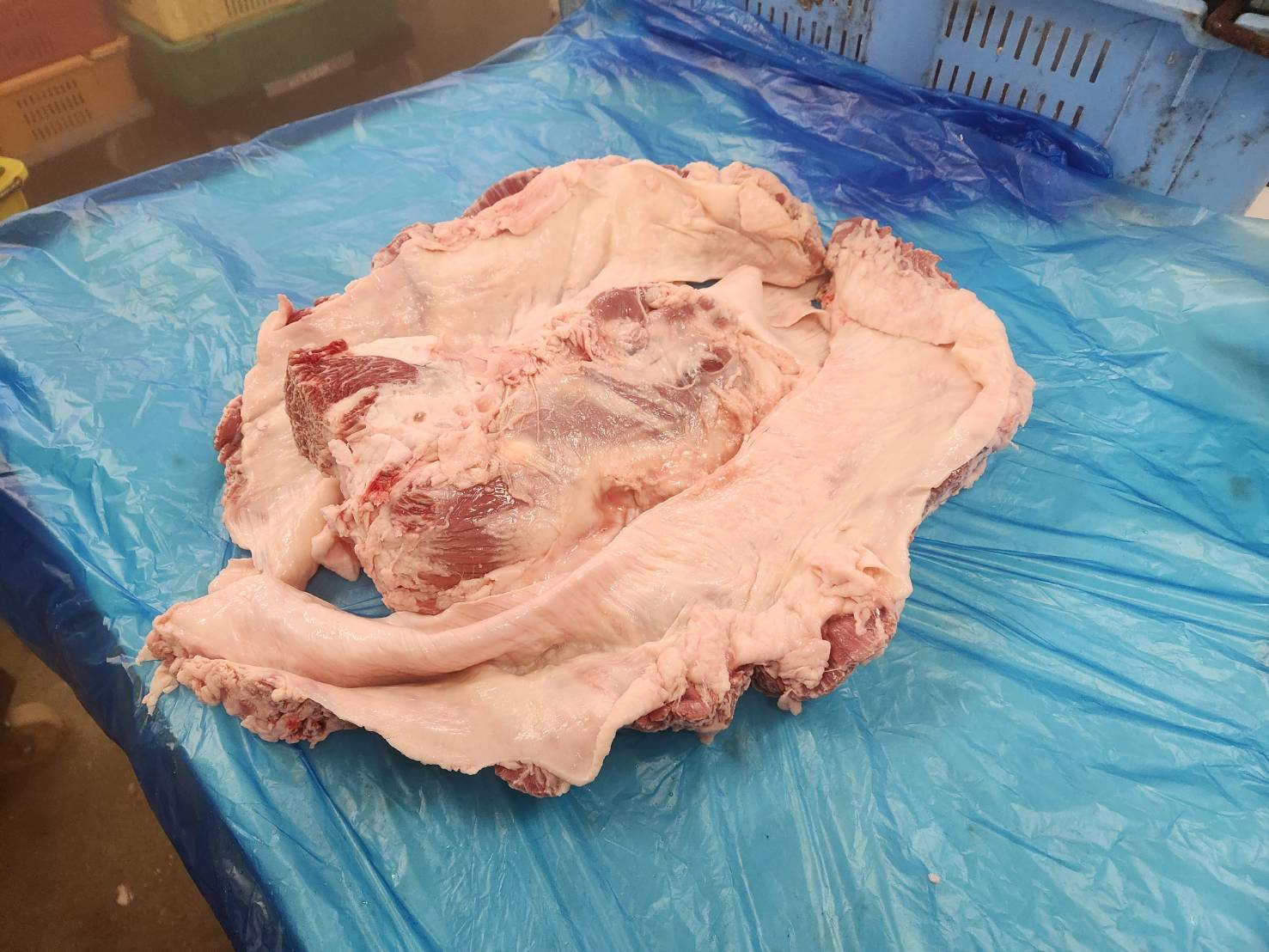
Kuro5’s Harami also stands out due to its bloodline and quality. Over 90% of Harami served in Japan is imported beef from the US or Australia. While imported Harami has a bold red-meat flavor, it cannot match Wagyu in fat sweetness or tenderness.
We source exclusively domestic A5-rank Kuroge Wagyu fresh Harami. A single Wagyu cow (weighing 700kg to 800kg) yields only 4kg to 5kg of Harami. After trimming away excess fat and connective tissue, only about 2kg of usable yakiniku meat remains per cow, making it an extremely rare delicacy.
Domestic A5 Wagyu Harami features dark red muscle fibers covered in a layer of pure white Wagyu fat. High in oleic acid, this fat has a melting point below human body temperature, rendering it smooth and easy to digest. Grilling it over charcoal releases a sweet, aromatic “Wagyu fragrance” (Wagyu-ko), pairing rich red meat flavor with clean fat sweetness.
7. 2cm Thick & No Score Cuts: Why Fresh Wagyu Harami Needs No Score Cuts
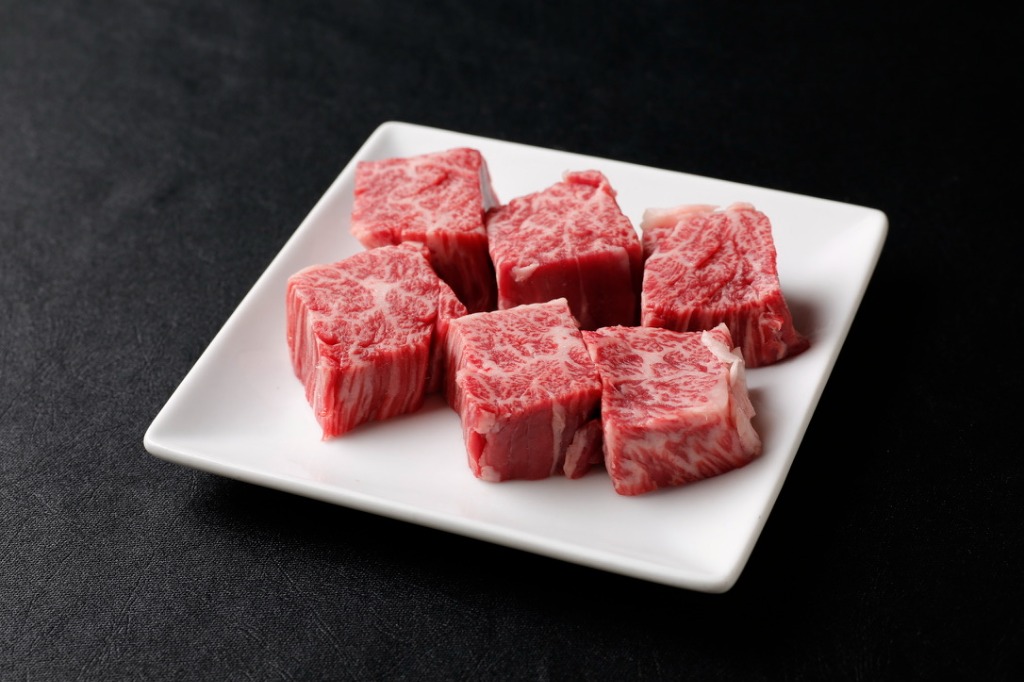
Guests ordering fresh Wagyu Harami at Kuro5 often notice two features: our generous 2cm thick cut and the absence of score cuts (隠し包丁なし) on the meat surface.
Standard restaurants often slice Harami thin or score the surface with fine cuts to make tough, frozen-thawed meat easier to chew. However, scoring the surface ruptures the cells, allowing juices to drain onto the grill during cooking.
Kuro5’s fresh A5 Wagyu Harami requires no score cuts. Because it is never frozen, its natural muscle fibers remain tender and supple, allowing your teeth to slice effortlessly through a 2cm thick cut. By leaving the surface smooth and uncut, we sear the exterior evenly over charcoal, sealing 100% of the juices inside the thick block of beef.
8. Binchotan & 10-15 Second Flipping: The Pro Technique for Sealing in Juices
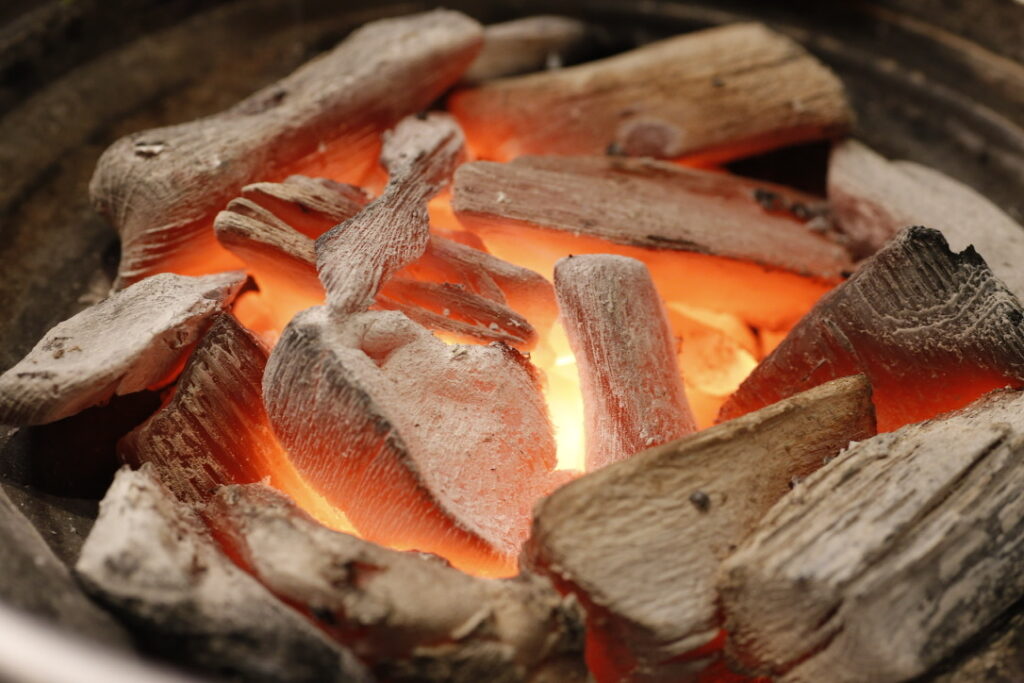
To cook this 2cm thick fresh Wagyu Harami perfectly, Kuro5 staff grills every piece at your table using our “full-attend style.” Grilling a 2cm thick cut requires precise heat control to avoid burning the exterior while ensuring the center is properly heated.
We practice a method of frequent flipping every 10 to 15 seconds over Binchotan charcoal.
By turning the meat every 10 to 15 seconds over high far-infrared heat, we protect the surface while encouraging internal thermal convection. This gentle, frequent turning acts like a covered roast on an open grill, elevating the core temperature without contracting the muscle fibers.
The result is a caramelized, smoky exterior wrapping a juicy, medium-rare center. When served to your plate, every bite delivers a contrast of crisp exterior, tender texture, and bursting juice.
Serving Suggestions:
Enjoy thick slices of fresh Harami simply with salt and pepper to taste the pure sweetness of fresh Wagyu fat. For standard slices, we recommend our special tare mixed with a touch of miso. The deep savory notes of miso and soy tare enhance the rich beef flavor—especially when enjoyed over a bowl of hot white rice.
9. Comparison: 3 Key Differences Between Standard Frozen Harami and Kuro5 Fresh Wagyu Harami
3 Differences Between Standard Frozen Harami and Kuro5 Fresh Harami
1. Storage Condition and Cell Integrity:
- Standard Harami: Frozen and thawed before serving. Large ice crystals rupture cell walls, causing heavy drip loss, dryness, and metallic odors.
- Kuro5 Harami: Kept chilled and fresh from sourcing to table. Cell walls remain 100% intact, locking in natural juices, amino acids, and aroma.
2. Bloodline, Thickness, and Scoring:
- Standard Harami: Uses imported beef sliced thin or scored with cuts to soften tough, thawed fibers (allowing juices to leak during grilling).
- Kuro5 Harami: Uses rare domestic A5 Wagyu (2kg yield per cow), served in 2cm thick cuts without score cuts to preserve internal moisture.
3. Grilling Method and Pairings:
- Standard Harami: Left to guests to grill, often leading to charred exteriors or dry centers.
- Kuro5 Harami: Grilled by staff using Binchotan charcoal and 10-15 second flips for a medium-rare finish, paired with salt or signature miso-tare over rice.
10. Conclusion: Experience Authentic Fresh Harami at Kuro5 Tonight
Harami is far more than a simple everyday yakiniku cut. When sourced fresh and never frozen, A5 Wagyu Harami offers an extraordinary combination of tender texture, rich juiciness, and sweet aroma that redefines what skirt steak can be.
At Kuro5, we maintain our commitment to fresh beef, hand trimming, and table-side Binchotan grilling so our guests can experience beef at its absolute best.
We invite you to visit Kuro5 Honten, Higashiguchi, or Kabukicho tonight. Let our trained staff grill our signature fresh Wagyu Harami for you at your table for an unforgettable dining experience.
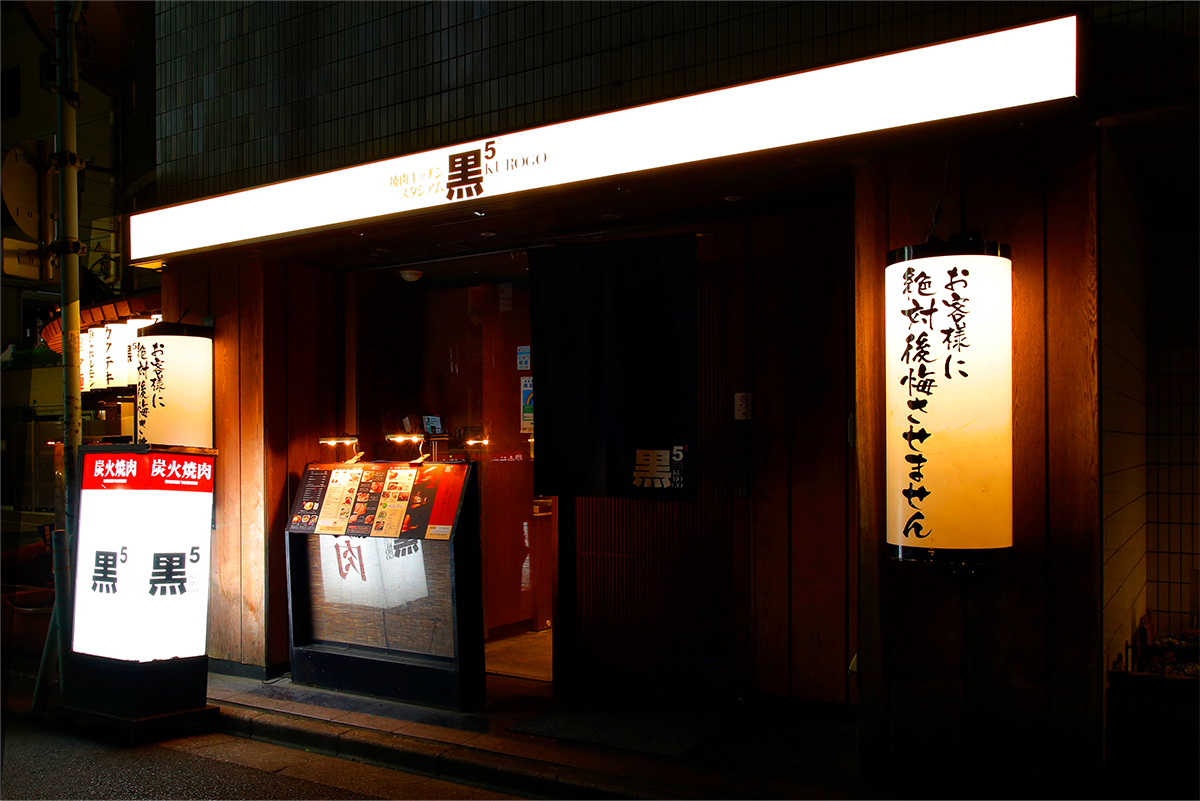
- Charcoal Yakiniku Kuro5 Honten
1F Nishi-Ikebukuro Bldg, 2-46-3 Nishi-Ikebukuro, Toshima-ku, Tokyo / 5 min walk from JR Ikebukuro Station - Charcoal Yakiniku Kuro5 Higashiguchi
1F Tsukiji Bldg, 1-42-16 Higashi-Ikebukuro, Toshima-ku, Tokyo / 3 min walk from JR Ikebukuro Station East Exit - Charcoal Yakiniku Kuro5 Kabukicho
1F Sankyo Akagawa Bldg, 2-21-4 Kabukicho, Shinjuku-ku, Tokyo

