



Few bentos in Japan have the power to stay delicious even after they cool down — and none do it quite like the Yakiniku Bento. The smoky aroma of charcoal-grilled beef, the glossy sweet-and-savory sauce, and the rich flavor absorbed by the rice all combine to create a uniquely satisfying meal.
Yakiniku Bento is not just “beef on rice.” It is a culinary style shaped by more than 70 years of history, craftsmanship, and Japanese food culture.
1946: The Origins of Yakiniku Bento
Two of Japan’s oldest yakiniku restaurants, Meigetsukan (Tokyo) and Shokudoen (Osaka), began operating in 1946. These establishments laid the foundation of post-war yakiniku culture.
Because they offered food delivery from the very beginning, it was natural that grilled beef placed over rice evolved into a form of early Yakiniku Bento. Shokudoen, known for its marinated-style yakiniku, played a major role in establishing the combination of sweet soy-based sauce and steamed rice — the root of today’s Yakiniku Bento.
Yakiniku Bento Originally Belonged to the Nightlife Scene
While Yakiniku Bento is now a common lunch item, its cultural roots lie in Japan’s nightlife.
When I was working as a chef in Tokyo’s entertainment district, most Yakiniku Bento orders came at night — especially from mahjong parlors, where players needed a hearty meal during long overnight sessions.
Show pubs also frequently ordered Yakiniku Bento during late-night rehearsals, often around 3–4 a.m. It was a vital source of energy for people working in the nightlife industry.
For many years, Yakiniku Bento was seen as a strong, hearty, slightly “adult” midnight meal — a reputation that remains today, as many still associate it more with dinner than lunch.
Jojoen Elevated Yakiniku Bento Into a Luxury Food
Jojoen played a central role in making Yakiniku Bento famous nationwide. Their bento at Tokyo Dome became known as the “fastest-selling bento” and soon turned into a status symbol among baseball fans, celebrities, and athletes.
Jojoen Created the “Separated Style” — Now the National Standard
Originally, Yakiniku Bento consisted of meat, namul, and kimchi all placed directly on top of the rice. However, Jojoen introduced a new presentation:
Meat, namul, and kimchi arranged separately using dividers.
This innovation offered several advantages:
- Rice stays clean and never gets soggy
- Presentation becomes more elegant and premium
- The aroma of grilled meat does not mix with other items
- Flavors maintain quality even after time passes
This separated-style presentation rapidly became the national standard. Today’s modern Yakiniku Bento owes this format almost entirely to Jojoen’s influence.
1980s–1990s: Chain Restaurants Made Yakiniku Mainstream
In this era, large suburban yakiniku chains expanded across Japan, transforming yakiniku from a “special occasion meal” into a familiar family dinner.
Affordable pricing, spacious restaurants, easy access for families, and the introduction of new cuts like pork toro helped yakiniku become deeply rooted in everyday Japanese life.
2018–2020: Chain Restaurants Began Selling Bento and Delivery
The modern explosion of Yakiniku Bento happened recently when major chains joined the bento and delivery market:
- Gyukaku (2018): Official launch of their yakiniku bento line
- Anrakutei (2020): Strengthened bento sales and began delivery
- Other chains joined Uber Eats and delivery platforms nationwide
As a result, Yakiniku Bento evolved from a “specialty cooked by expert restaurants” into a meal that anyone can enjoy at home or at the office.
Why Yakiniku Bento Tastes Great Even After It Cools
Beef fat retains flavor when cooled
As the fat solidifies, it locks in richness that blends deeply into the rice.
Sweet soy-based sauce remains stable
Sugars keep the flavor balanced and the glaze glossy, even at room temperature.
Most important: placing hot meat onto hot rice immediately
Yakiniku Bento is essentially “rice flavored by beef drippings.” This step is what makes it taste great even after it cools.
How to Make a Delicious Yakiniku Bento at Home
1. Cook the beef to 80% doneness
Brown the surface while keeping the center slightly pink for tenderness.
2. Remove the meat and simmer the sauce
Reduce the sauce to achieve a thick, bento-friendly consistency.
3. Return the meat and coat it thoroughly
This creates shine, caramelization, and lasting flavor.
4. Place the hot meat directly onto hot rice
This allows the rice to absorb delicious beef drippings — the defining element of Yakiniku Bento.
Kuro5’s Signature Charcoal-Grilled Yakiniku Bento
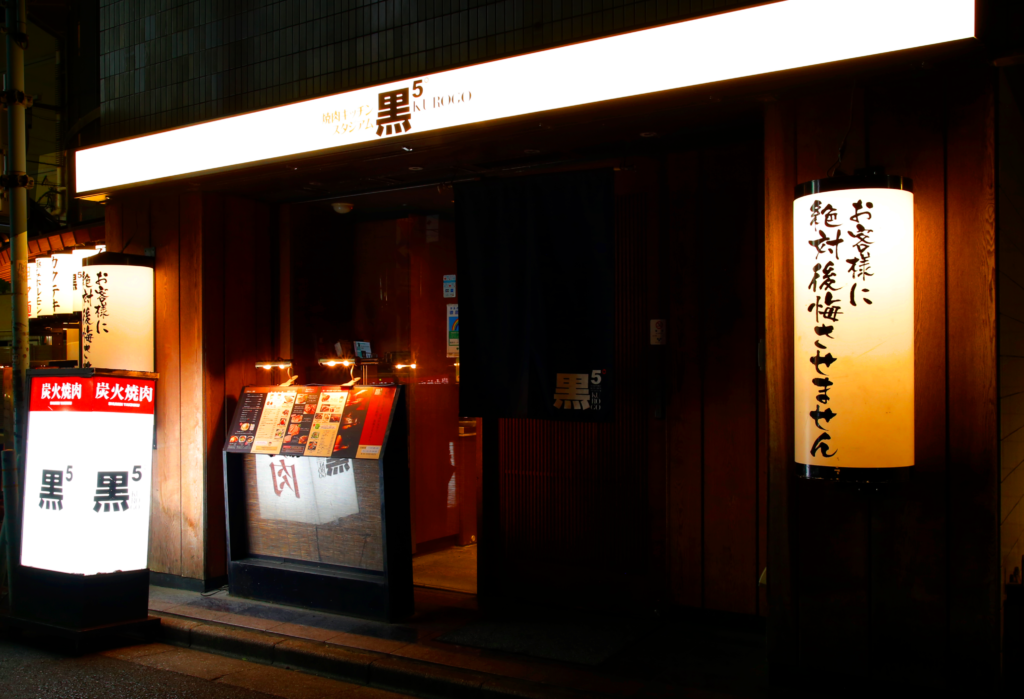
Kuro5 operates in Shinjuku Kabukicho and Ikebukuro, offering premium charcoal-grilled wagyu. Their Yakiniku Bento features generous portions of beef, accompanied by namul and kimchi, and is widely praised as a bento that is “delicious even when cold.”
Wagyu Yakiniku Kuro5
IKEBUKURO Main Restrant
1F Shima 100 building ,2-46-3, Ikebukuro, Toshima-ku , Tokyo 171-0014
https://en.kuro5.net/restaurant/honten
Wagyu Yakiniku Kuro5
IKEBUKURO East Exit Restrant
2F Need Building, 1-42-16 Higashi-Ikebukuro, Toshima-ku, Tokyo 170-0013
https://en.kuro5.net/restaurant/higashiguchi
Wagyu Yakiniku KURO5
Kabukicho
1F Sankei Building, 2-21-4 Kabukicho, Shinjuku-ku, Tokyo
https://en.kuro5.net/restaurant/kabukicho
Official Instagram: @kuro5yakiniku

