


A Simple Question When Ordering “Loin” at Yakiniku Restaurants
Hello everyone. This is Kuro5’s Sondo.
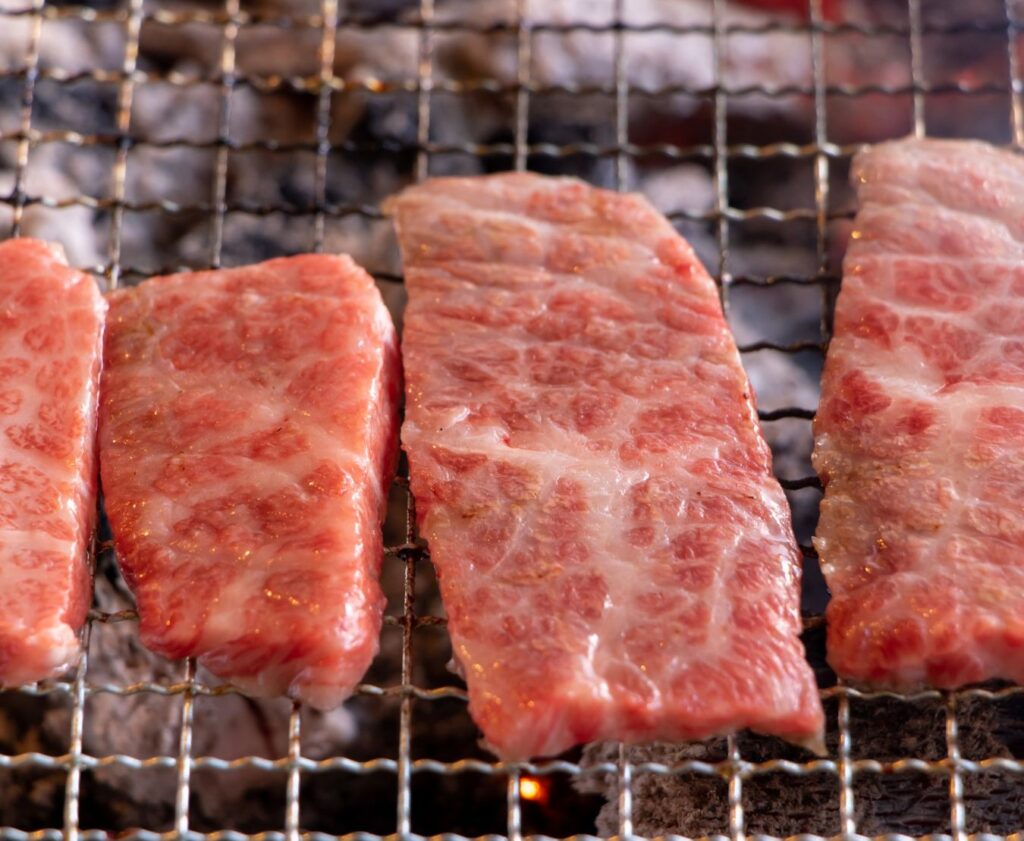
When you visit a yakiniku restaurant, which cut of meat do you usually order first? Salted beef tongue for a refreshing start, kalbi for its sweet marbled fat, or loin for the deep flavor of lean red meat? These are the undisputed three treasures of yakiniku. Loin, in particular, has earned passionate support from health-conscious guests and mature gourmets who find heavy fat a bit too rich, because it offers the pure, direct taste of beef without feeling heavy.
However, have you ever noticed a curious discrepancy?
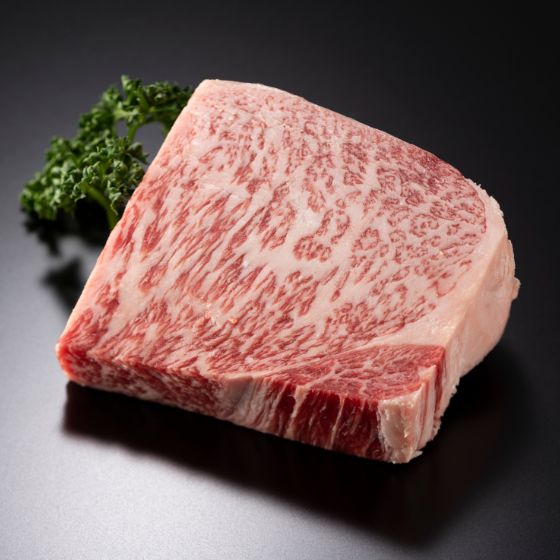
When you look at “loin” cuts (like sirloin or ribeye loin) at a steakhouse or a high-end butcher shop, you see meat heavily marbled with white fat (sashi), representing a very rich and juicy dining experience. On the other hand, when you order “loin” (ro-su) at a standard yakiniku restaurant in Japan, what arrives at your table is almost always a deep red, lean cut with very little marbling.
Table of Contents
- 1. A Simple Question When Ordering “Loin” at Yakiniku Restaurants
- 2. The Original Form of “Loin”: Why Sirloin and Ribeye are True Loin Cuts
- 3. The Historical Turning Point: How the BSE Crisis and Imported Beef Created “Red Loin”
- 4. Kuro5’s Premium A5 Grade Red Loin: Characteristics of Shinshin and Kamenoko
- 5. Why Kuro5’s Fresh, Non-Frozen Wagyu and Professional Grilling Maximize Red Meat Flavor
- 6. Welcoming You Tonight with the Perfect Level of Charcoal Grilling
“Why is steak loin so marbled and rich, while yakiniku loin is so lean and red?”
In fact, this “loin = red meat” phenomenon in Japanese yakiniku restaurants is not a coincidence. It is deeply connected to the history of beef distribution in Japan and a major event that once shook the entire nation. Today, I would like to share the historical background of why yakiniku loin is red meat, and introduce the premium red loin cuts we serve at Kuro5.
The Original Form of “Loin”: Why Sirloin and Ribeye are True Loin Cuts
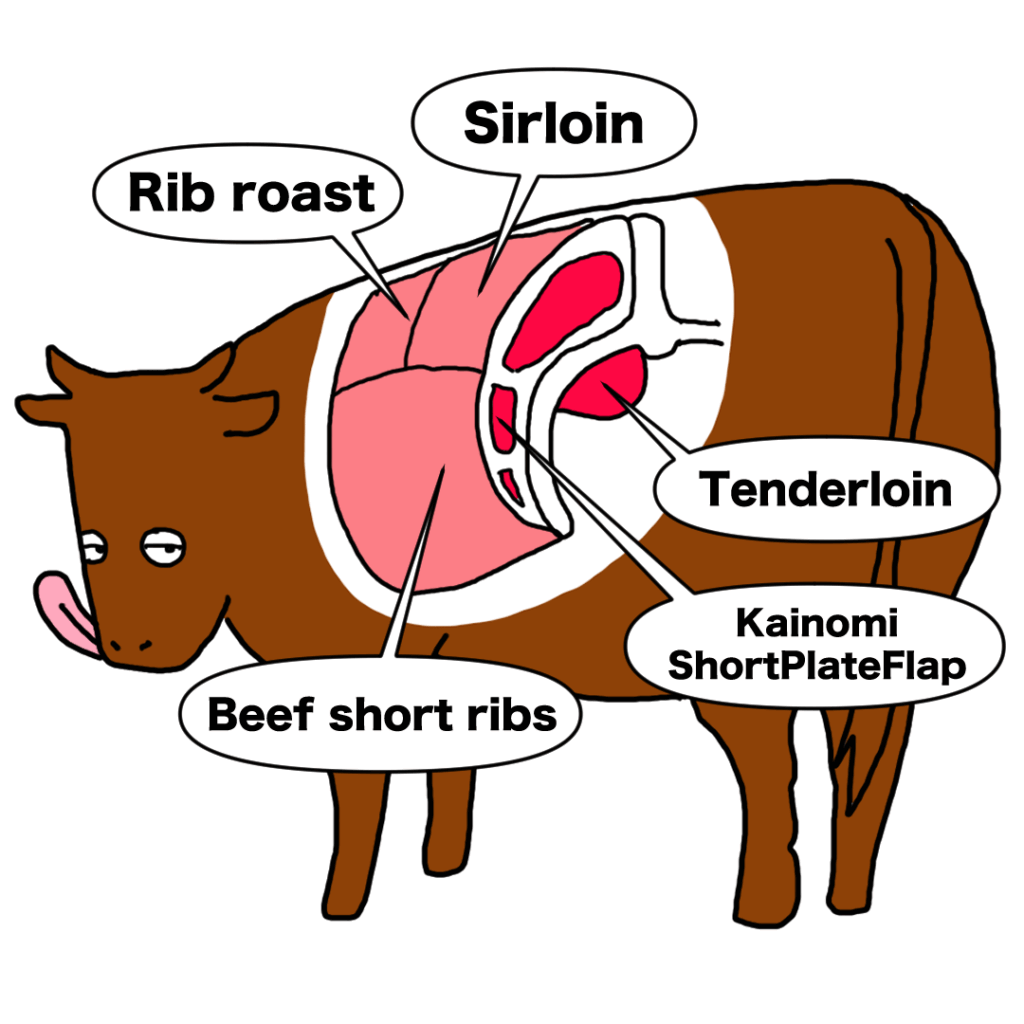
Before diving into the history, let us first clarify the original meaning and culinary definition of the word “loin” (ro-su in Japanese).
The Japanese term “ro-su” is said to be a corruption of the English word “roast.” Historically, it referred to “cuts of meat suitable for roasting or grilling.” Anatomically, the loin refers to the long, thick muscle group running along the backbone, starting from the head: shoulder loin (chuck eye), ribeye (rib loin), and sirloin (strip loin).
These back cuts undergo relatively little movement compared to other parts of the cow, making the meat exceptionally fine-grained and tender. Furthermore, in A5-grade Japanese Black Wagyu (Kuroge Wagyu), these cuts develop beautiful, web-like marbling (sashi). Sirloin and ribeye, which melt at body temperature to release a rich sweetness and elegant aroma, are what anatomically constitute “true loin.”
Why, then, did this rich, marbled premium cut turn into “lean red meat” at yakiniku restaurants? The key to this mystery lies in the development of Japanese yakiniku culture from the Showa to the Heisei eras.
The Historical Turning Point: How the BSE Crisis and Imported Beef Created “Red Loin”
Two major historical factors established the common understanding of “yakiniku loin = red meat” in Japan.
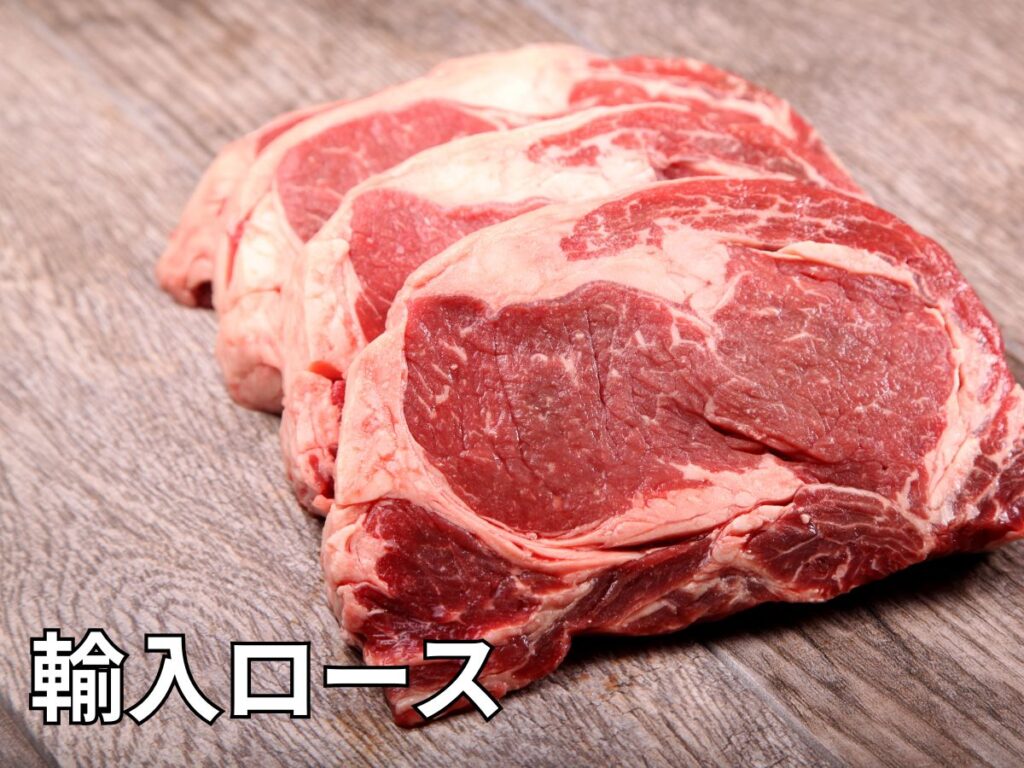
The first factor was the rise of casual, family-friendly yakiniku restaurants. Looking back at Tokyo about 30 years ago, it was standard at most yakiniku restaurants for “kalbi” to be short rib (bara) and “loin” (ro-su) to be imported back loin (sirloin or ribeye). By the way, the raw beef dish “yukhoe” (yukke), which was highly popular back then, was also prepared by meticulously hand-trimming the excess fat and tendons off this imported back loin.
Back loin from imported cattle raised overseas on grass or grain does not develop the intense marbling characteristic of Japanese Wagyu; it is lean, muscular red meat. Imported back loin was lean and refreshing, yet soft and easy to eat as back meat. As casual restaurants continued to serve this imported back loin as “loin,” it created a strong association in the minds of Japanese consumers: “yakiniku loin is a lean, red, and refreshing cut.”
The second factor, which permanently solidified this standard, was the BSE (Bovine Spongiform Encephalopathy) crisis that hit Japan in 2001.
In the autumn of 2001, news of the first BSE-infected cow in Japan sent the nation into a panic. Beef consumption plummeted, and anxiety regarding imported beef surged. Because demand dropped suddenly overnight, the market price of domestic Wagyu fell to historically low levels. High-quality Wagyu was traded at incredibly low prices.
During this crisis, yakiniku restaurants faced a major dilemma. They wanted to reassure their guests by serving safe, domestic beef, but even with the price drop, serving Wagyu sirloin or ribeye at standard yakiniku prices was financially unsustainable.
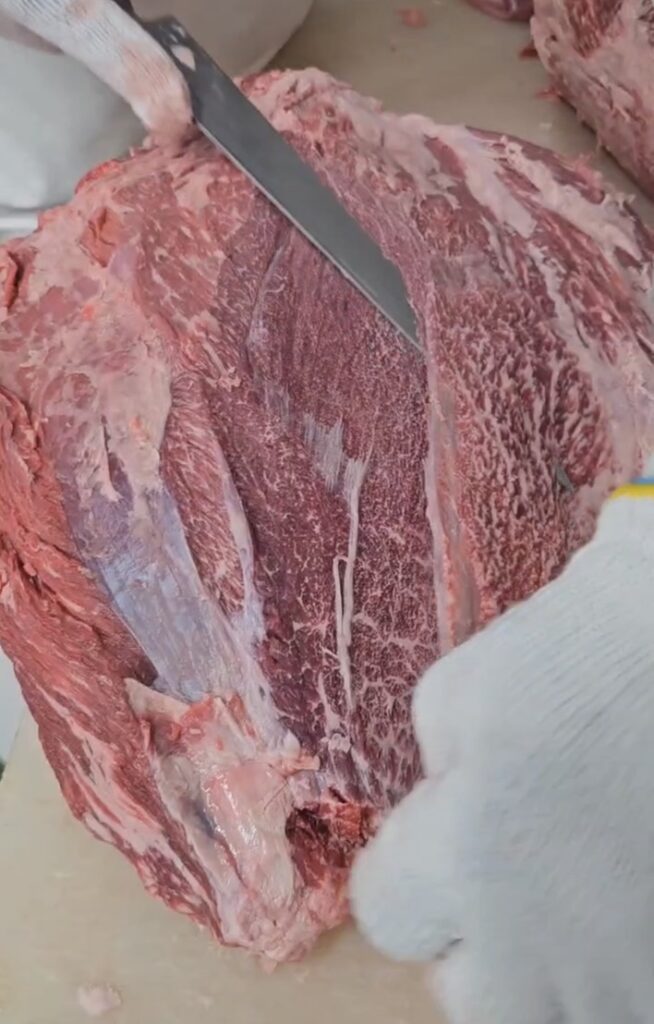
This led yakiniku chefs to focus on a different cut of domestic Wagyu: the round (momo).
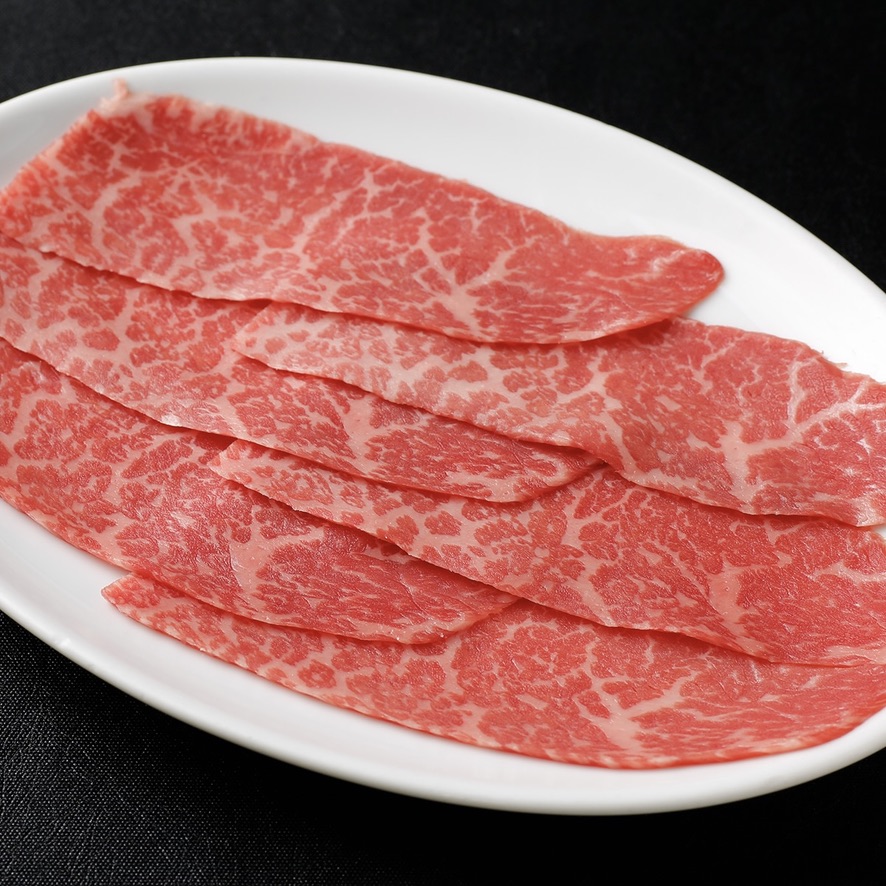
The round is located in the hindquarters. Because these muscles are used frequently, they develop little marbling, resulting in solid red meat. Due to the market crash, Wagyu round became highly affordable. Crucially, the bright red appearance of sliced Wagyu round looked exactly like the “imported sirloin loin” that customers were used to seeing.
“We can serve this as ‘loin’ without any visual confusion. What is more, Wagyu round has a far stronger, deeper umami flavor than imported beef, making it exceptionally delicious!”
Yakiniku restaurants across Japan quickly began listing domestic Wagyu round on their menus as “loin.” The rich flavor of domestic red meat matched the existing image of red loin perfectly, earning rave reviews from customers. Even after the market stabilized, the convention of serving domestic Wagyu round as loin remained, becoming a permanent part of Japanese yakiniku culture.
Furthermore, import restrictions triggered by the BSE crisis (particularly the ban on US beef imports) meant that cheap imported beef stopped entering the market, further accelerating the adoption of domestic Wagyu lean round meat. However, this history has led to a highly ironic “topsy-turvy” (abeko-be) phenomenon in today’s yakiniku industry.
Originally, “kalbi” referred to short rib/plate (bara—the fatty belly meat) and “loin” (ro-su) referred to sirloin or ribeye (the marbled back meat). Yet, through these historical twists, most yakiniku restaurants now standardly use lean round meat (momo) for loin. On the other hand, many restaurants today serve premium marbled ribeye or sirloin cuts as “kalbi” instead of the traditional fatty short rib.
In other words, the original relationship where “kalbi = fatty belly” and “loin = marbled back” has been completely reversed in the modern era to “loin = lean round” and “kalbi = marbled sirloin/ribeye.” Enjoying your yakiniku while knowing this historical swap makes for a truly fascinating dining experience.
Kuro5’s Premium A5 Grade Red Loin: Characteristics of Shinshin and Kamenoko
Building on the historical tradition of “yakiniku loin = red Wagyu round,” we at Kuro5 select only the highest quality round cuts from A5-grade Black Wagyu, elevating them into an exquisite dining experience.
The round cut we primarily use is called “Shintama.” It is a large, flavorful muscle block that our chefs meticulously hand-carve into specific sub-cuts, bringing out their unique individual qualities. Here are Kuro5’s two signature red loin cuts:
Shinshin: A Mellow Harmony of Lean Meat and Fine Marbling
Shinshin is a highly prized, rare cut located at the very center of the Shintama block. Although part of the round, it features an exceptionally fine texture and is laced with delicate, soft marbling. When it touches your tongue, a gentle sweetness from the fat spreads first, followed by the deep, juicy flavor of the lean meat. Because it lacks heavy fat, it has a clean, smooth finish that never causes stomach heaviness.
To maximize Shinshin’s flavor, our staff cook it tableside using a technique called “rolling grill” (rolling-yaki), lightly searing the surface to keep it medium-rare. We recommend adding a touch of fresh wasabi and rolling it around hot, freshly cooked white rice for an unforgettable bite.
Kamenoko: Savoring the Pure, Robust Umami of Beef
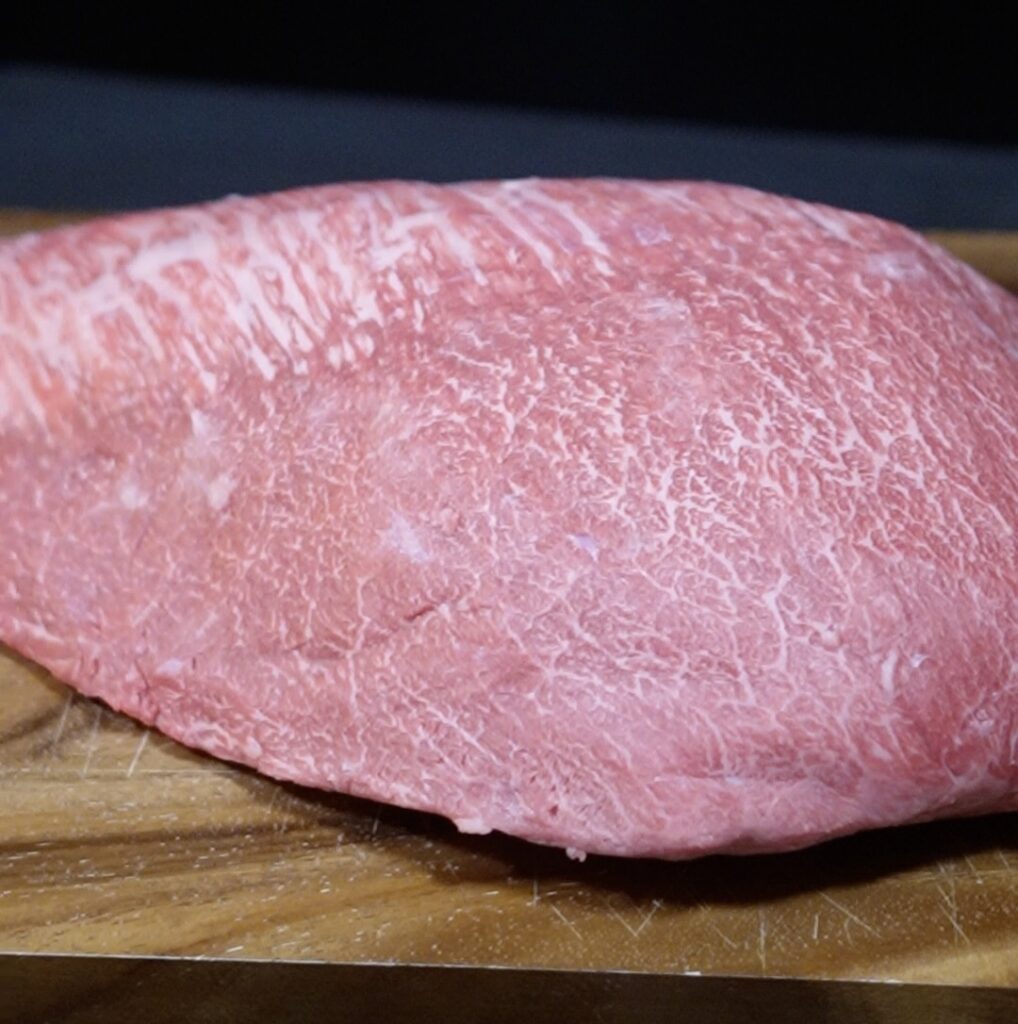
Kamenoko is located on the outer side of the Shinshin cut. Its name comes from its grain pattern, which resembles a turtle shell (kame no ko). Kamenoko contains very little fat, representing pure, deep red meat. It has a satisfyingly firm texture, and the more you chew, the more it releases rich iron and amino acids accumulated in the muscle. For meat enthusiasts seeking the pure, natural taste of beef without the sweetness of fat, Kamenoko is the ultimate choice.
Because lean meat can dry out and become tough if overcooked, we slice Kamenoko thin and sear it quickly over high charcoal heat. Our trained staff will grill it to perfection and serve it directly to your plate, ready to be enjoyed with our special soy-based sauce.
Why Kuro5’s Fresh, Non-Frozen Wagyu and Professional Grilling Maximize Red Meat Flavor
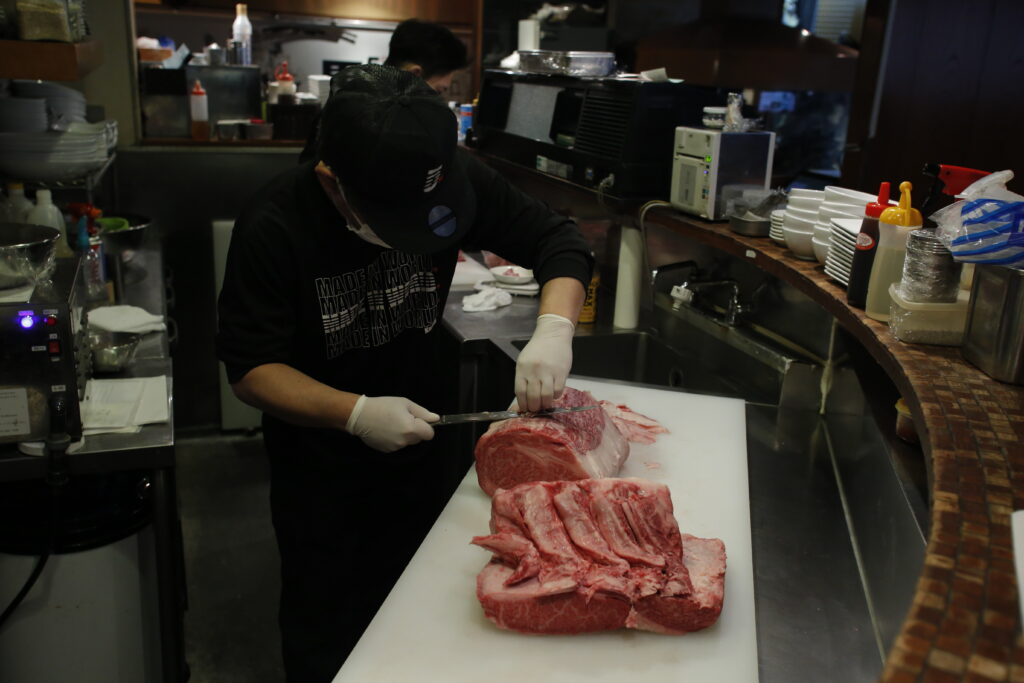
Compared to fatty cuts, lean red meat is highly sensitive to ingredient quality and cooking skill. To ensure the finest dining experience, Kuro5 adheres to three strict principles:
- Commitment to Fresh, Never-Frozen (生) Meat
When red meat is frozen and thawed, the ice crystals break the muscle cell walls, causing a loss of moisture known as “drip.” This drip carries away the meat’s natural umami. Kuro5 uses only fresh, non-frozen Wagyu. This ensures the rich juices remain locked inside the muscle fibers, producing an incredibly tender, juicy texture when grilled. - Meticulous Hand-Trimming by Skilled Chefs
The round contain various tough tendons and outer membranes. If even a small portion is left behind, it ruins the tender texture of the red meat. Every day, our chefs inspect the meat by hand, trimming away tough fibers with millimeter precision. This careful preparation is key to achieving our signature tenderness. - Flawless Cooking via “Yaki-Bugyo” Service
Even the finest raw red meat will become tough and dry if left on the grill for too long. The window for perfect red meat cooking is extremely narrow. Therefore, at every table, our trained staff manage the grill, adjusting the heat of the Binchotan charcoal to serve each cut at its absolute peak.
Welcoming You Tonight with the Perfect Level of Charcoal Grilling
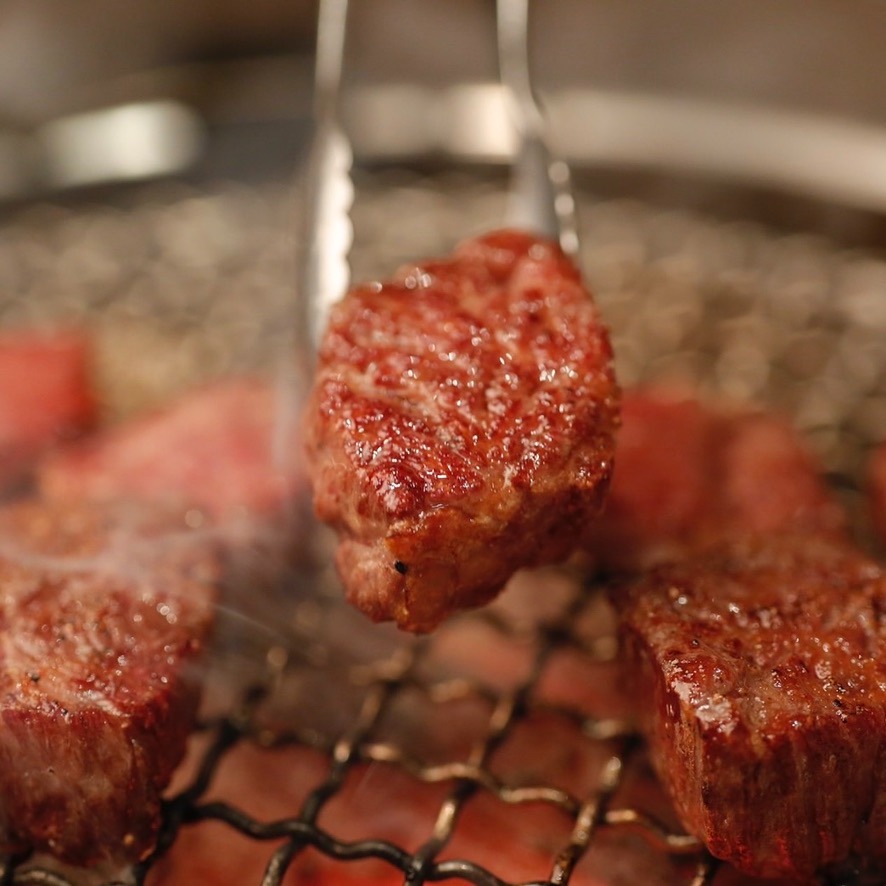
The red loin of Japanese yakiniku is a testament to the resilience and creativity of chefs during the BSE crisis, matching domestic Wagyu round with the expectations of diners. Beyond the anatomical definition of loin, this red meat has become a star of the modern yakiniku table, packed with the fundamental umami of beef.
Enjoy our A5-grade Black Wagyu red loin, which is gentle on the stomach yet deeply satisfying. Let our staff grill our fresh, hand-trimmed Shinshin and Kamenoko over glowing Binchotan charcoal right before your eyes. Savor the incredible juiciness that only fresh, never-frozen Wagyu can provide.
Tonight, at our Ikebukuro Honten, Ikebukuro East Exit, and Shinjuku Kabukicho locations, we have our premium charcoal fires ready and drinks chilled. Our staff look forward to welcoming you and serving you the perfect bite.
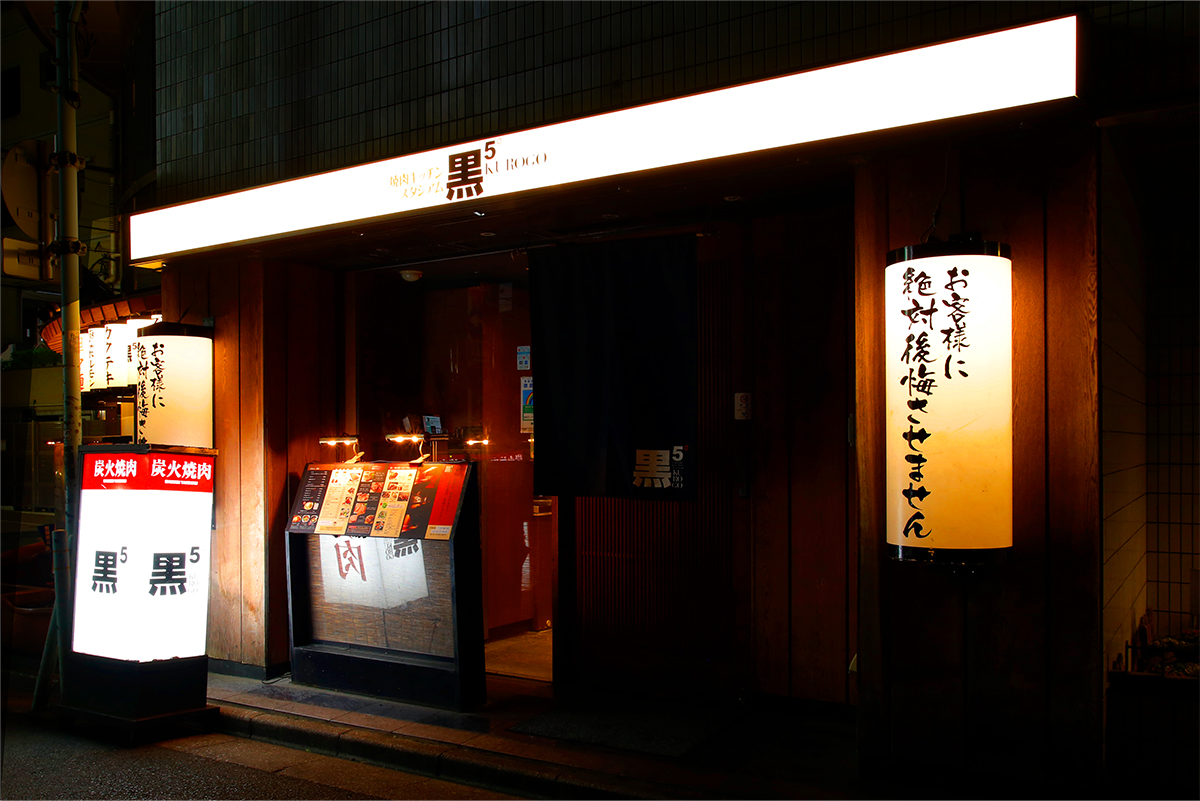
- Charcoal Yakiniku Kuro5 Honten
Nishi-Ikebukuro Bill 1F, 2-46-3 Nishi-Ikebukuro, Toshima-ku, Tokyo / 5 min walk from JR Ikebukuro Station - Charcoal Yakiniku Kuro5 Higashiguchi
Tsukiji Bill 1F, 1-42-16 Higashi-Ikebukuro, Toshima-ku, Tokyo / 3 min walk from JR Ikebukuro Station East Exit - Charcoal Yakiniku Kuro5 Kabukicho
Sankyo Akagawa Bill 1F, 2-21-4 Kabukicho, Shinjuku-ku, Tokyo

