


“Well then, let’s start with draft beers… and maybe some salted beef tongue for the first order?”
This is a scene you’ll witness at almost every table the moment people sit down at a Yakiniku (Japanese BBQ) restaurant. But have you ever stopped to wonder, “Why is starting with salted beef tongue the golden rule?” or “Can’t I just eat my favorite cuts in any order I want?”

Of course, Yakiniku is a free and joyful culinary entertainment. Grilling your absolute favorite cut of meat right away might just be the happiest moment of your day. However, if your goal is to enjoy your Yakiniku from the very first bite to the absolute last without feeling overly heavy or losing that initial sense of culinary awe, there is actually a highly logical “Golden Theory” pioneered by Yakiniku enthusiasts.
Do you ever find yourself eating enthusiastically at the start, only to feel overwhelmed by the rich fats later on? Or perhaps you always order Kalbi (short rib) right away, causing the delicate flavors of other premium meats to become a blur? If so, we are here to secretly share the delicious mechanics behind the “Yakiniku Order.” Knowing this will dramatically change your next Yakiniku experience!
Why is “Salted Beef Tongue” (Tan-shio) the Standard Starter?
In Japanese Yakiniku culture, starting with Tan-shio has become an unspoken rule. This isn’t just a tradition; it’s based on the mechanics of our taste buds and the science of the grill.
A Sensitive Palate Craves Delicate Saltiness

When you arrive at the restaurant and take your seat, you are likely starving, and your sense of taste is at its sharpest. If you were to immediately eat a piece of meat marinated in a rich, sweet, and punchy sauce, your taste buds would be instantly overwhelmed (or even numbed), making it difficult to appreciate the delicate umami of the meats that follow.
Enter the salted beef tongue. Its crisp texture, the refreshing acidity of a squeeze of lemon, and the simple saltiness gently yet surely awaken your sleeping stomach and taste buds. It acts as the perfect fanfare, announcing, “The meat feast is about to begin!”
The Truth Behind Changing the Grill After the Tongue
Another crucial reason involves the condition of the grill. If you start by cooking meat soaked in a sweet sauce, the sugars and amino acids will quickly burn and stick to the fresh, hot grill, transferring a bitter burnt taste to the next piece of meat. That is why it is considered an ironclad rule to start with “salt-flavored, unsauced meat.”
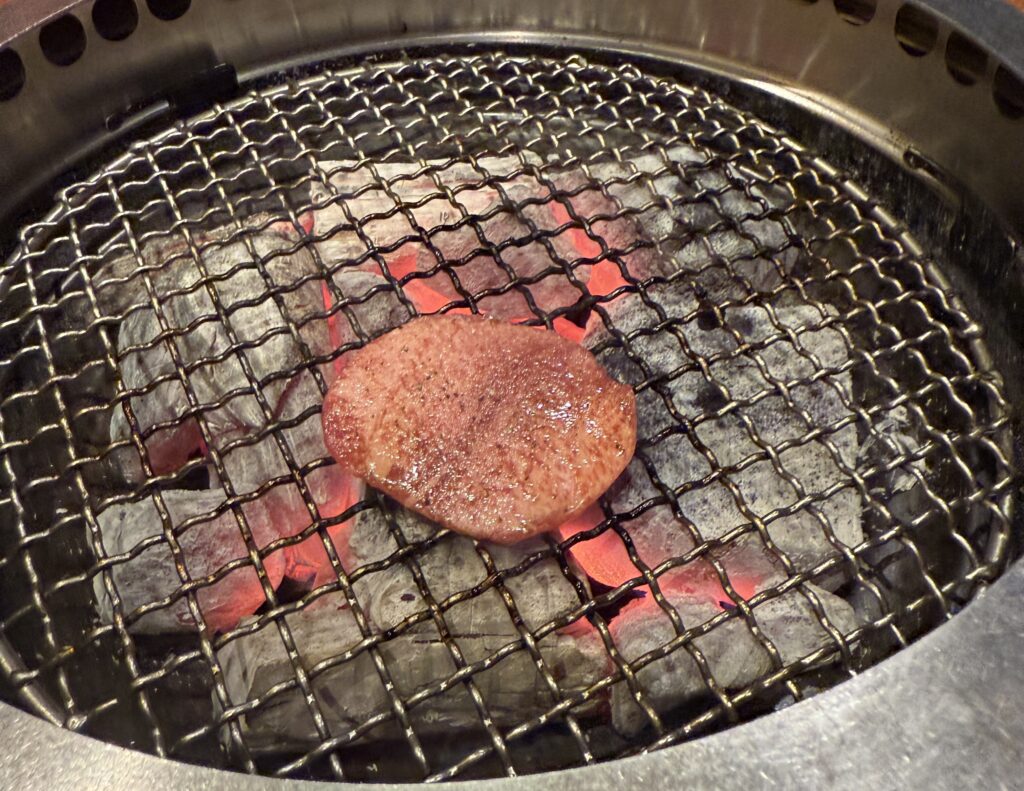
But here is a deep piece of knowledge known only to true Yakiniku connoisseurs: Did you know that the grill actually gets quite dirty even after just cooking salted beef tongue?
Truly high-quality Wagyu beef tongue (especially the thick, premium cuts near the base) has beautiful marbling and is packed with rich fat. When this premium fat drips onto the glowing charcoal, smoke billows up, and the fat burns, leaving black soot on the grill. Even if the grill looks relatively clean, the evidence of that rich fat remains.
Therefore, after you have thoroughly enjoyed your Tan-shio, a truly hospitable Yakiniku restaurant will smoothly replace your grill with a fresh one before you move on to the next cut. This shows their genuine desire for you to experience the meat in its absolute best condition. Maintaining the grill is the most important mission in mastering Yakiniku.
The Golden Relay: From Salt to Sauce to Horumon (Offal)
Once you’ve finished your warm-up with the beef tongue and a gleaming new grill is ready, the real meat parade begins. The secret to enjoying your meal until the very end is to consciously transition from “lighter flavors to richer flavors” and “leaner cuts to fattier cuts.”
Shifting Gears: From Lean Meat to Marbled Wagyu
While you are still enjoying the salt-flavored cuts, we recommend exploring lean meats like Harami (skirt steak), Roast (loin), or Tsurami (beef cheek). As you chew lean meat, its inherent umami and rich iron flavors seep out. Eating them simply with salt or a touch of wasabi soy sauce allows you to experience their deep, direct flavors.

After satisfying your craving for lean umami, it’s finally time to move on to the beautifully marbled cuts (like Kalbi, Ribeye, or Tomosankaku). The exquisite fat unique to Wagyu melts at body temperature the moment it enters your mouth, delivering an intense sweetness and a rush of happiness straight to your brain. However, because highly marbled meat can quickly trigger your brain’s “fullness” signals, it’s best enjoyed during the mid-game climax rather than at the very beginning.
The Savory Magic of Sauce and the Maillard Reaction
Once the salted cuts are finished, it’s time for the “Sauce-marinated” (Tare) meats. When the soy sauce and fruit sugars in the Yakiniku marinade meet the intense heat of the charcoal, a scientific process called the “Maillard reaction” occurs. This is the true identity of that irresistibly savory aroma and deep richness.
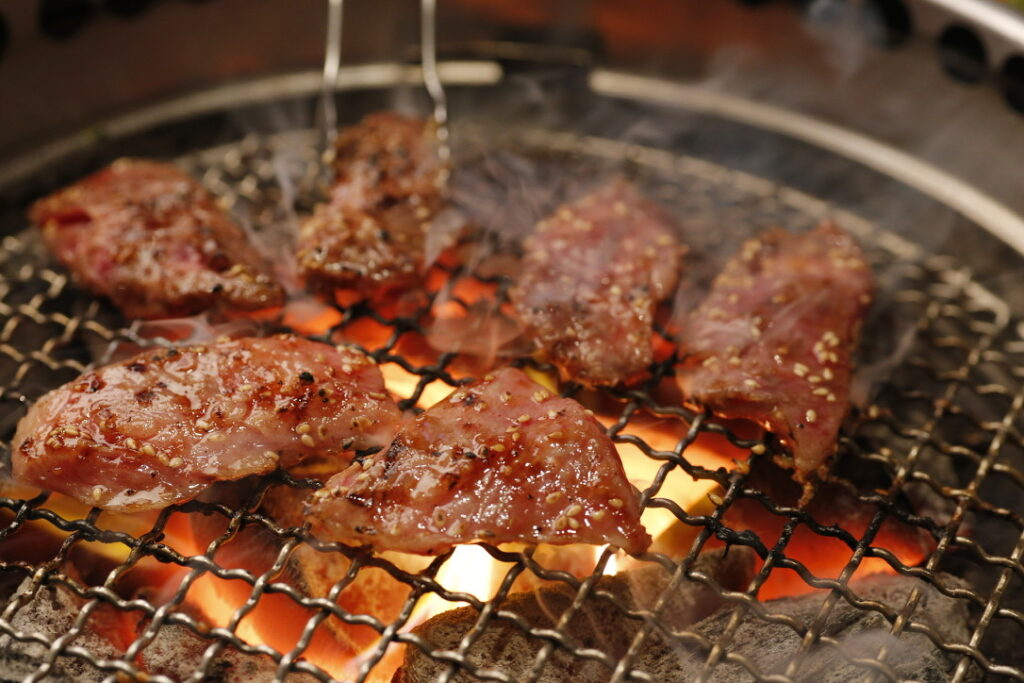
Place a sauce-marinated Kalbi on the grill, watch it cook amidst a cloud of sizzling smoke, and then bounce that piping hot, saucy meat right onto a bowl of fluffy white rice… This is the ultimate thrill of Yakiniku! The bold flavors of the sauce act as a powerful engine to boost your appetite as you head into the second half of the meal.
Reaching the Climax with Rich Horumon
After you’ve enjoyed a full array of standard cuts (both lean and marbled), it’s time for Horumon (beef offal). Rich, fatty intestines like Shimacho or Marucho, and the crunchy texture of Mino (beef tripe), serve as the perfect, exciting accents to wrap up your Yakiniku journey.

Fatty Horumon, in particular, will drop copious amounts of fat and marinade onto the grill, inevitably dirtying it and producing a lot of smoke. Therefore, it’s smartest to save them for the grand finale, where you can grill them boldly without worrying about keeping the net clean. The pairing of plump, juicy Horumon glazed in sweet miso sauce with a cold alcoholic beverage is truly the pinnacle of adult bliss.
Is It Okay to Ignore the Order? Tips for Enjoying It Your Way
We’ve talked passionately about the “Golden Theory,” but as we said at the beginning, Yakiniku is about freedom. We completely understand those days when you just want to dive face-first into a plate of saucy Kalbi and white rice right from the start!
Even if you go off-script, knowing a few simple tricks will prevent palate fatigue and keep that heavy, greasy feeling at bay.
The Magic of “Palate Cleansing” Ingredients
If you eat nothing but meat continuously, your tongue will eventually become accustomed to the fat and umami, diminishing the wow factor of even the highest-grade Wagyu. This is where “palate resetters” come into play.

The sourness and spice of Kimchi, the aroma of sesame oil in Namul, and the crisp, watery freshness of a Choregi salad-these are not just side dishes. They play a vital role in washing away the beef fat left in your mouth and resetting your taste receptors. Items like grated daikon radish (which contains enzymes that aid digestion) or salted chopped green onions act as magical items that make rich meats taste wonderfully refreshing. By strategically interspersing vegetables between your meat courses, you can prevent stomach heaviness and face each piece of meat with a fresh perspective until the very end.
The Finishing Soup: The Key to Ultimate Satisfaction
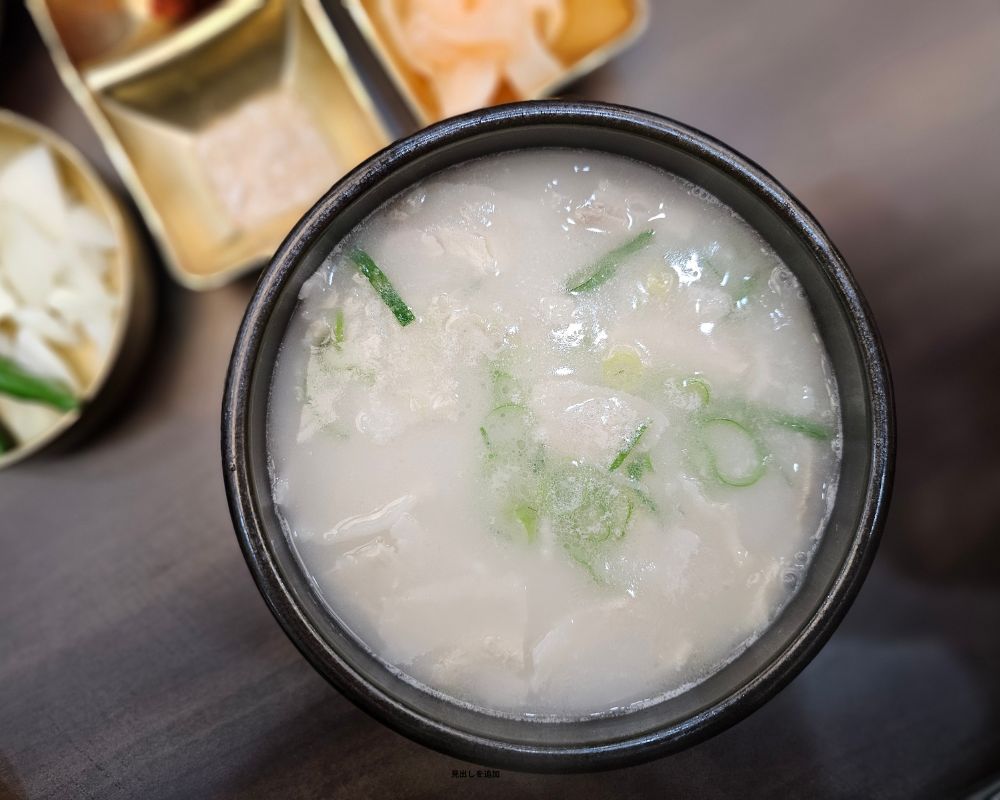
Once you’ve fully savored the meat and your stomach is comfortably full, debating over the final dish-will it be cold noodles (Reimen) or rice soup (Kuppa)?-is another joy of Yakiniku. However, we strongly recommend considering a “warm soup” as your grand finale.
Warm Soup Soothes the Stomach and Deepens the Afterglow
After working hard to digest cold beers, sour cocktails, and a large amount of meat, your digestive system is a bit tired by the end of the meal. While a bowl of chilled Reimen is refreshing, slowly sipping a warm beef bone soup (like Komtang or Tail soup) gently warms your stomach and provides soothing digestive support.
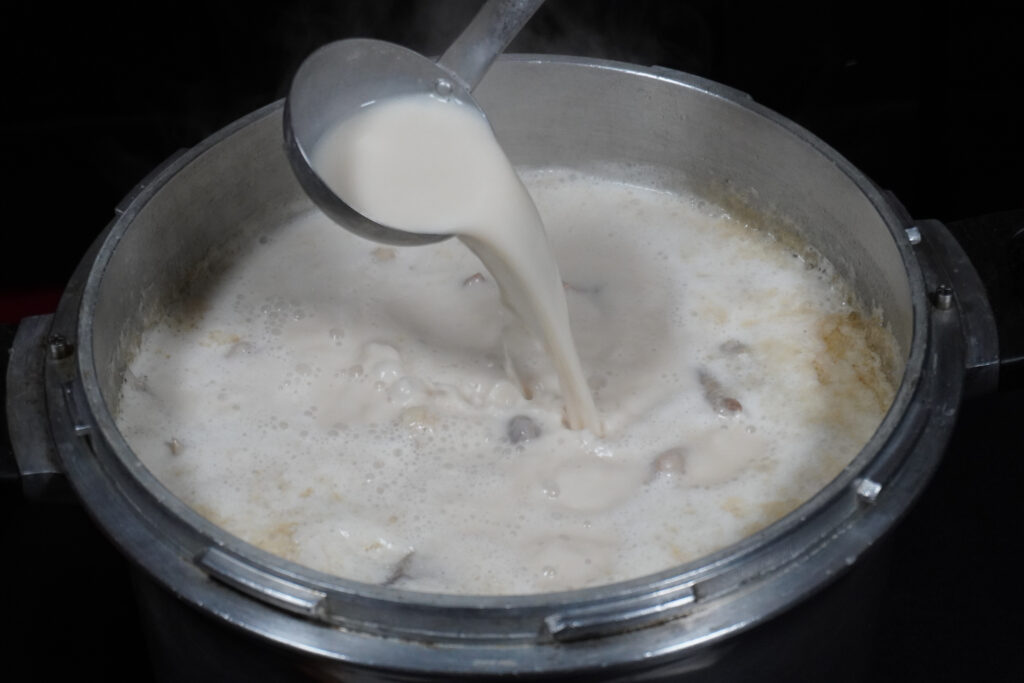
A cloudy, rich soup made by simmering beef bones for hours is packed with dissolved collagen and amino acids. Every drop acts like a “natural supplement,” protecting the irritated stomach lining and reducing the chances of a heavy stomach the next day. It perfectly concludes the Yakiniku course with a profound umami that lingers, without erasing the delicious memories of the meat you just enjoyed.
Enjoy Premium Beef Bone Soup “Bone Broth” at Home!
“I wish I could drink that rich, authentic Yakiniku restaurant soup at home…”
Have you ever thought that? Actually, there is an easy way to enjoy restaurant-quality soup in the comfort of your own home. It’s called “Bone Broth,” and it’s currently a massive trend among health-conscious individuals and beauty enthusiasts.
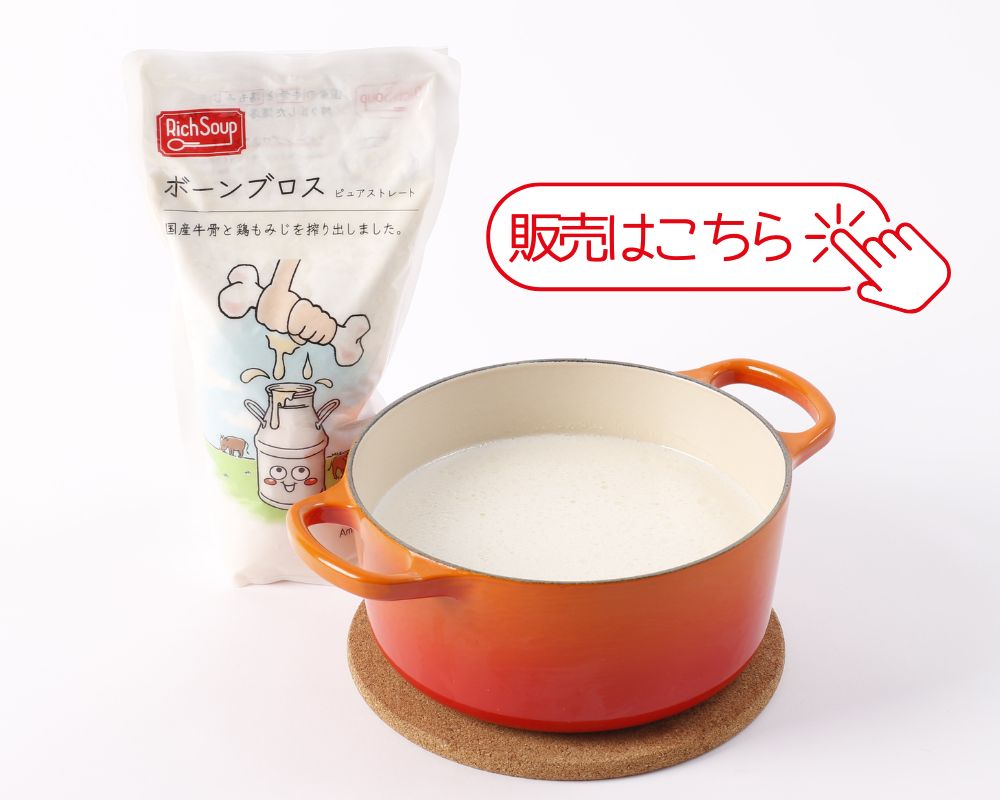
Bone broth is made by slowly simmering beef and chicken bones to extract every ounce of flavor and nutrition. Our premium, cloudy white Rich Soup, carefully extracted from domestic beef bones and chicken feet, is nothing short of exceptional.
Despite being high in protein and low in calories, it is abundant in skin-loving collagen and muscle-building amino acids, making it a fantastic daily “gut-health” or “beauty” soup. Because it comes in a convenient retort pouch that can be stored at room temperature, it’s incredibly versatile. Simply heat it up to drink, use it as a luxurious base for hot pots or udon noodles, or even as a secret ingredient in your everyday cooking.
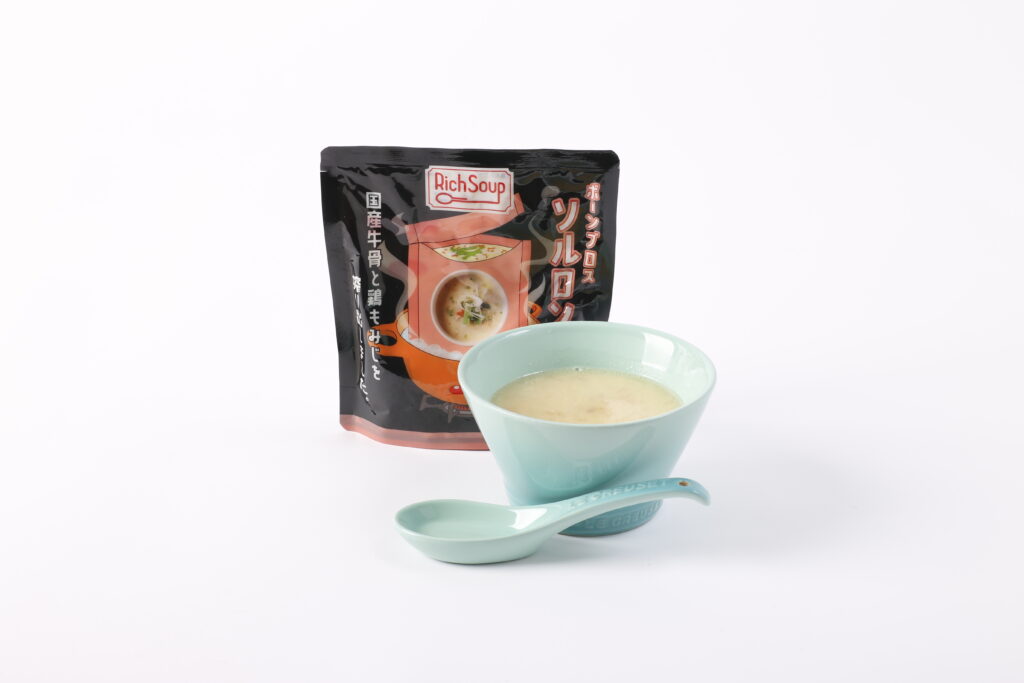
Whether you need to rest your stomach the morning after a Yakiniku feast, or you want to enjoy a slightly luxurious, authentic hot pot on a weekend night, we highly recommend keeping our flavor-packed Bone Broth stocked in your pantry!
Experience Ultimate Wagyu with Full-Attendant Service
We’ve discussed the optimal order for eating Yakiniku and the importance of the grill, but you might be thinking, “I understand the theory, but it’s hard to judge the perfect timing, grill the meat flawlessly, and remember to change the net myself!”

When you feel that way, leave everything to us at “Yakiniku Kuro5.”
At Kuro5, we use “Bincho charcoal,” which locks in the umami through far-infrared effects, and we employ a “Full-Attendant” (Yaki-bugyo or grill master) style. Our expert staff will carefully grill every single piece of our carefully selected, highest-quality Wagyu right in front of you.
Our staff, who know the characteristics of every cut inside out, will suggest the perfect order from salt to sauce. They will never overlook a fat-stained grill, replacing it at the absolute best timing. They will then serve your meat with the most exquisite level of cooking. All you have to do is let go of your tongs, enjoy the conversation with your loved ones, and take in the glorious aroma of premium meat sizzling on the grill.
We await you with the finest Wagyu and top-tier service in a relaxed atmosphere that makes you forget the hustle and bustle of Ikebukuro and Kabukicho. For your next Yakiniku experience, please visit “Kuro5” for a moment of flawless bliss, perfectly timed and perfectly grilled.
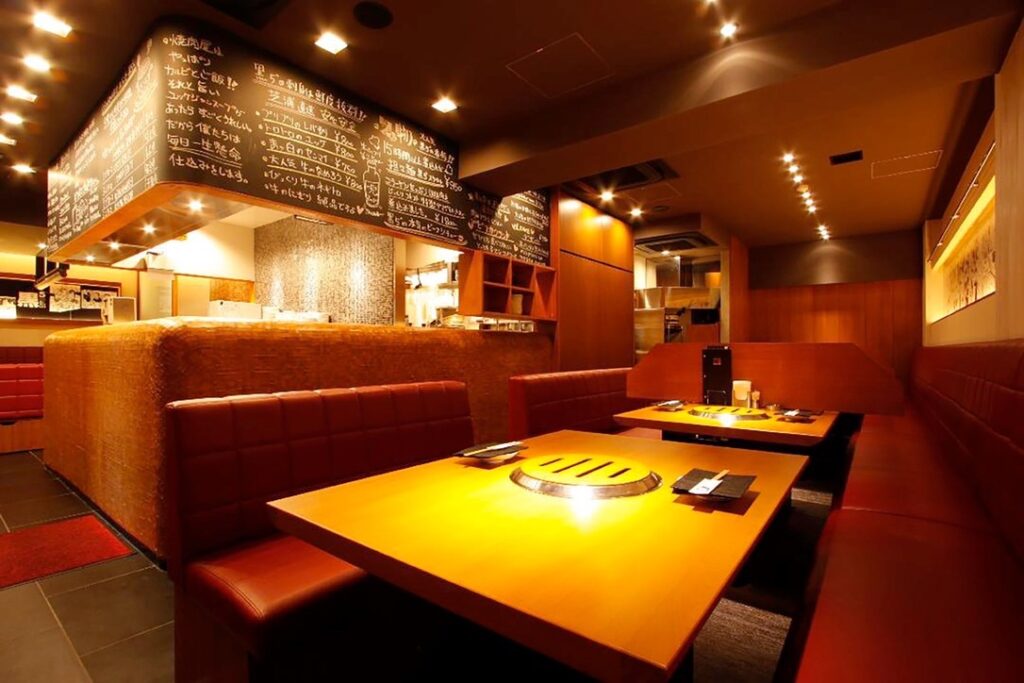
Restaurant: Yakiniku Kuro5 Main Store (Ikebukuro)
Address: Cima 100 Bldg. 1F, 2-46-3 Ikebukuro, Toshima-ku, Tokyo 171-0014
Nearest Station: 5-minute walk from JR Ikebukuro Station West Exit
Hours: 17:00–24:00 (L.O. 23:30)
Closed: Open year-round
Restaurant: Yakiniku Kuro5 Ikebukuro East Exit Store
Address: Need Bldg. 2F, 1-42-16 Higashi-Ikebukuro, Toshima-ku, Tokyo 170-0013
Nearest Station: 5-minute walk from JR Ikebukuro Station East Exit
Hours: 17:00–24:00 (L.O. 23:00)
Closed: Open year-round
Restaurant: Yakiniku Kuro5 Kabukicho
Address: Sankei Bldg. 1F, 2-21-4 Kabukicho, Shinjuku-ku, Tokyo
Nearest Station: 5-minute walk from Seibu Shinjuku Station / 7-minute walk from Shinjuku Sanchome Station
Hours: 18:00–5:00 the next day (L.O. 4:00)
Closed: Open year-round

