
The glamorous parade of premium Wagyu tongue and thick-cut Harami on the charcoal grill has finally calmed down. As your stomach and heart feel satisfied, a peaceful moment arrives at the table. “Now, what should we have for the finale?” Pondering over the menu at this moment is one of the true pleasures of the Yakiniku entertainment experience.
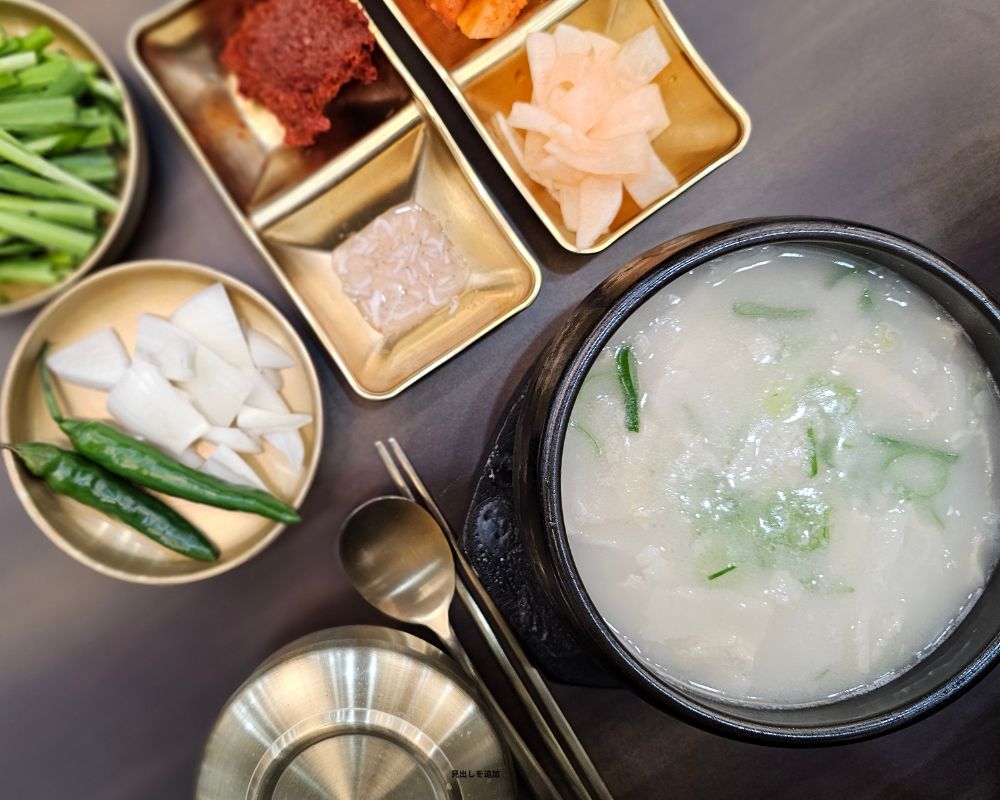
Refreshing your palate with cold noodles is always a classic choice, and enjoying the piping hot, crispy rice of a stone-roasted bibimbap is hard to pass up. But if you’re thinking, “I want something to gently soothe my stomach after the meat,” or “I want to wake up looking forward to looking in the mirror tomorrow morning,” then “Gomtang Soup” is the perfect choice for you.
Take a spoonful of this pure white, creamy soup, and the deep, rich umami of beef will gently permeate your entire body. But Gomtang soup isn’t just delicious. Did you know it’s currently gaining global attention as a “drinkable beauty serum” and an “ultimate nutritional soup”?
Today, we will guide you through the surprisingly deep world of Gomtang soup. Once you read this, you’ll undoubtedly want to order Gomtang at your next Yakiniku dinner without hesitation.
What Exactly is Gomtang Soup?
While Gomtang soup is a familiar sight at Yakiniku restaurants, surprisingly few people can explain exactly what it is. “It’s a beef soup, right?” Yes, absolutely. But let’s dig a little deeper.
The Meaning Behind the Name
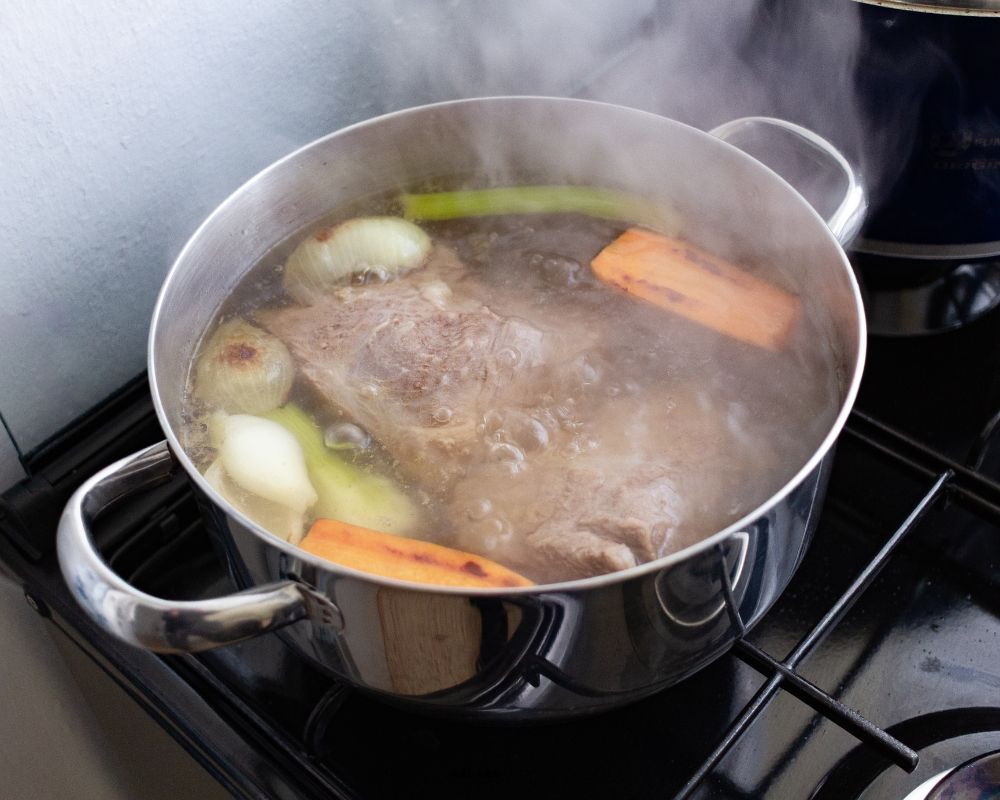
The roots of Gomtang soup lie in Korea. It is said to originate from the Korean word “Goda,” which means to slowly simmer meat and bones over a long period. Adding “Tang” (meaning soup) to this gives us “Gomtang.”
In other words, the name itself is an introduction saying, “I am a soup made with an immense amount of time and care.” Historically enjoyed as both a royal court dish and a home-cooked meal in Korea, it’s a traditional soup served when someone needs a nutritional boost or during celebratory occasions.
What is the Difference Between Seolleongtang and Gomtang?
When you order Gomtang at a Yakiniku restaurant, some places serve a milk-like, pure white soup, while others serve a somewhat clear, transparent broth. Have you ever wondered which one is the “real” one?

In authentic Korean cuisine, “Gomtang” generally refers to a relatively clear soup simmered mainly with meat and offal, while “Seolleongtang” refers to a soup where beef bones are boiled until the broth turns cloudy and white. However, as Yakiniku culture evolved uniquely in Japan, these boundaries gradually blurred.
Today, the “Gomtang Soup” served in many Japanese Yakiniku restaurants is the rich, cloudy style made by slowly cooking beef bones to extract their maximum umami. Both are correct, but that creamy white richness is what many Japanese people have come to love as the quintessential “Yakiniku restaurant Gomtang.”
Gomtang as a “Drinkable Serum”: The Bone Broth Trend
The greatest appeal of Gomtang soup goes far beyond its gentle flavor. The incredible array of nutrients dissolved into the broth is the real secret behind why people can’t get enough of it.
Rich in Collagen and Amino Acids
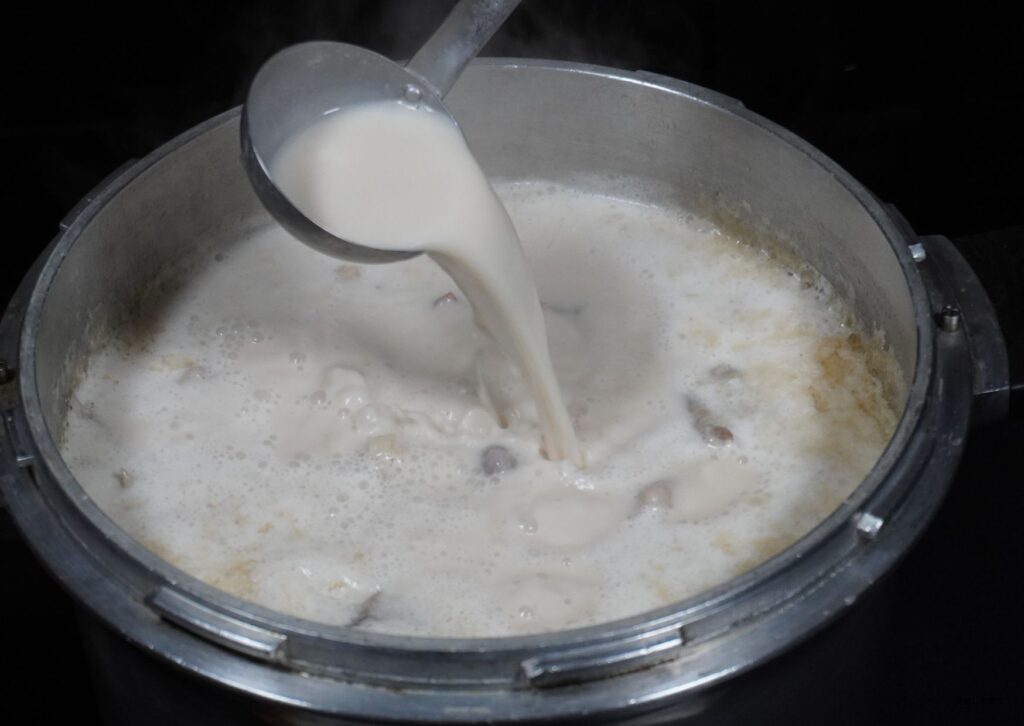
By simmering beef bones, tendons, and cartilage for an extended period, the tough tissues break down, releasing an abundance of gelatin into the soup. This is the secret behind Gomtang’s signature slight thickness and velvety mouthfeel. It contains so much collagen that it actually turns into a jelly when cooled.
After taking in high-quality protein from Wagyu tongue and Harami, finishing with this collagen-rich soup makes you look forward to the next morning. Especially during dry seasons or on a tiring weekend, it feels as though it moisturizes your body and soul from the inside out.
The Global Spotlight on “Bone Broth”
Are you aware of the massive “Bone Broth” trend currently popular among health-conscious celebrities and athletes worldwide? Bone broth is exactly what it sounds like: a soup made by slowly simmering beef or chicken bones.
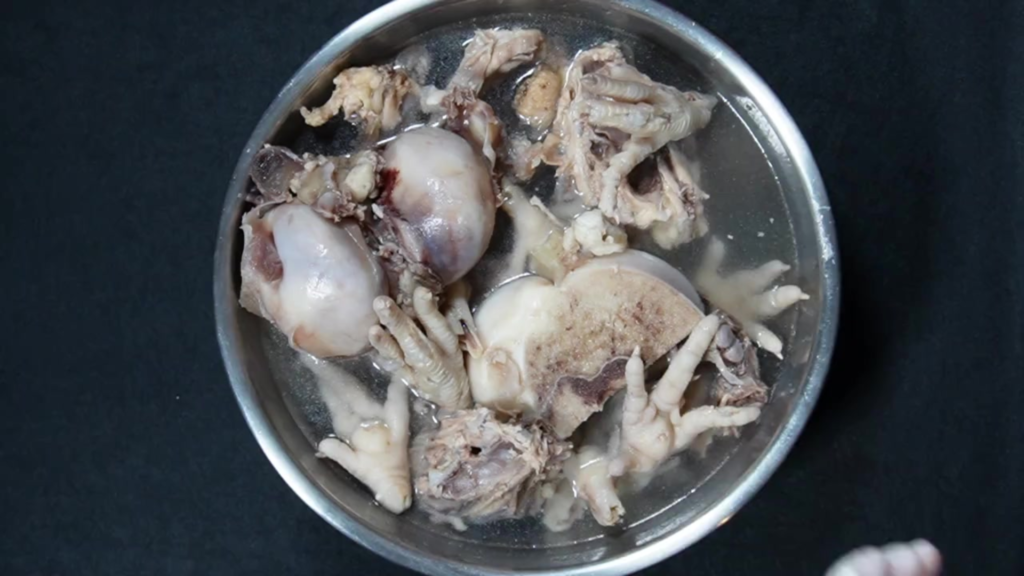
Gomtang and Seolleongtang are perfect examples of this. Packed with amino acids and minerals extracted from the bone marrow, it is often called a “natural supplement.” It’s highly praised for supporting gut health and daily wellness. It’s quite surprising to realize that the white soup you casually ordered at a Yakiniku restaurant is actually at the forefront of global superfood trends.
Gentle on a Tired Stomach
After a fulfilling Yakiniku meal, your stomach is working overtime to digest the food. Downing freezing cold drinks or heavy, spicy foods at this point can put unnecessary strain on your digestive system.
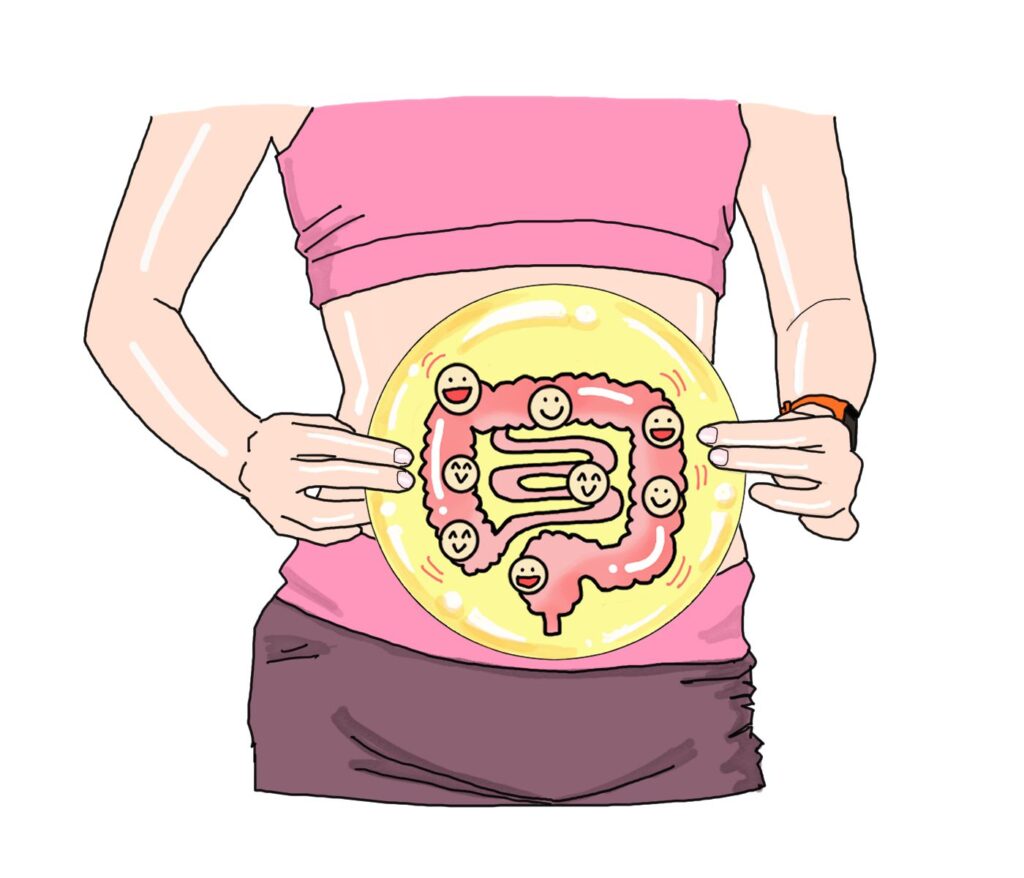
Warm, mild, and easy to digest, Gomtang soup acts as an “oasis for your stomach.” It’s also an excellent way to cap off an evening of drinking, as the warm broth gently heals and warms your body from the inside.
How to Best Enjoy Gomtang Soup Like a Yakiniku Pro
When your premium soup arrives at the table, how should you enjoy it? While there are no strict rules, here are some highly recommended ways to eat it from the perspective of Yakiniku professionals.
Step 1: Taste the Pure Soup First
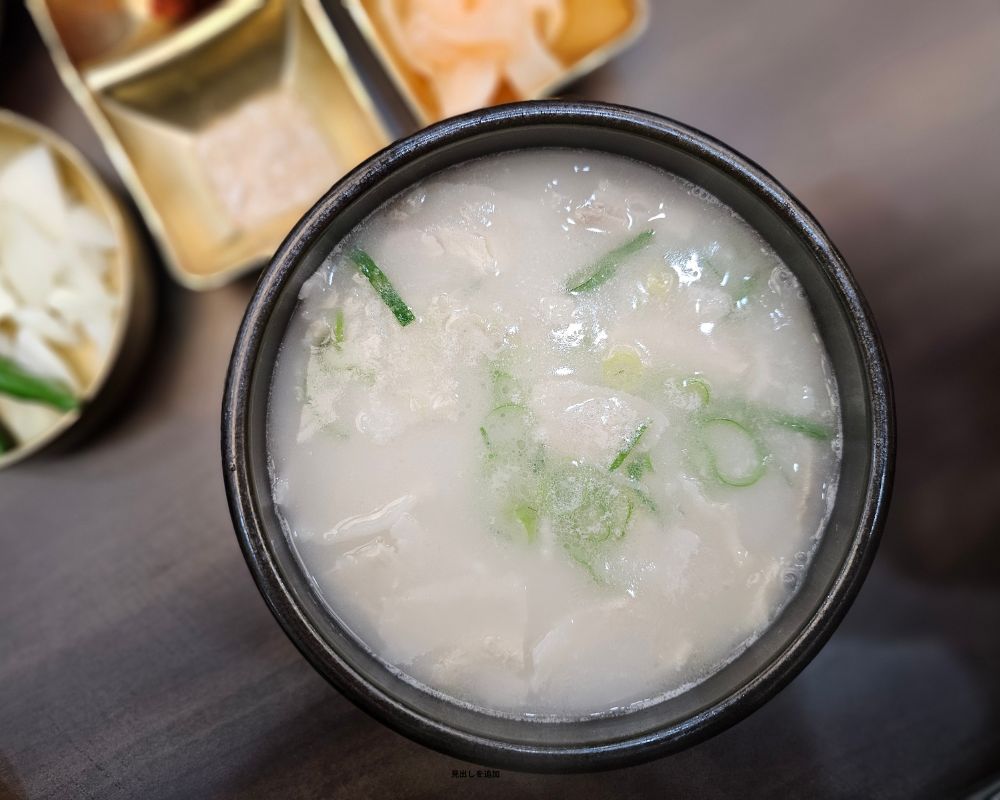
Before adding anything, take a sip of the pure broth. The natural sweetness from the beef bones, the profound richness, and the collagen that leaves your lips slightly sticky. Because it’s seasoned simply with salt and pepper, you can directly feel the skill and passion of the artisan who prepared it.
Step 2: Dive in the Rice for “Gomtang Gukbap”
Once you’ve enjoyed about half of the soup, it’s time for the carbohydrates. Drop some white rice directly into the bowl, and instantly, you have “Gomtang Gukbap”!
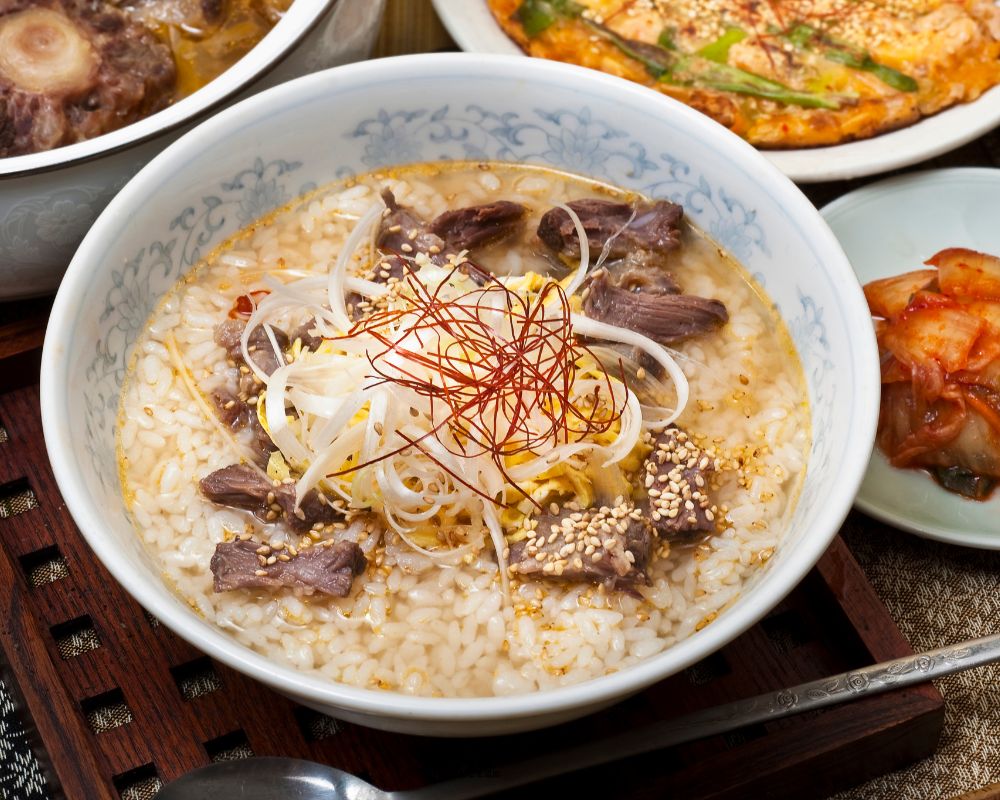
Each grain of rice absorbs the rich soup and plumps up beautifully. The piping hot, porridge-like texture gently washes away the coating of meat fat left in your mouth. As a secret pro-tip: adding rice that has a little bit of Yakiniku sauce on it adds a wonderful savory aroma.
Step 3: Add Kakuteki or Kimchi for Acidity and Spice
An authentic Korean way to enjoy this is by dropping some Kimchi or Kakuteki (radish kimchi) right into the soup. When you want a slight change in flavor, the acidity and spiciness of the Kimchi give the mild soup a vibrant, sharp edge.
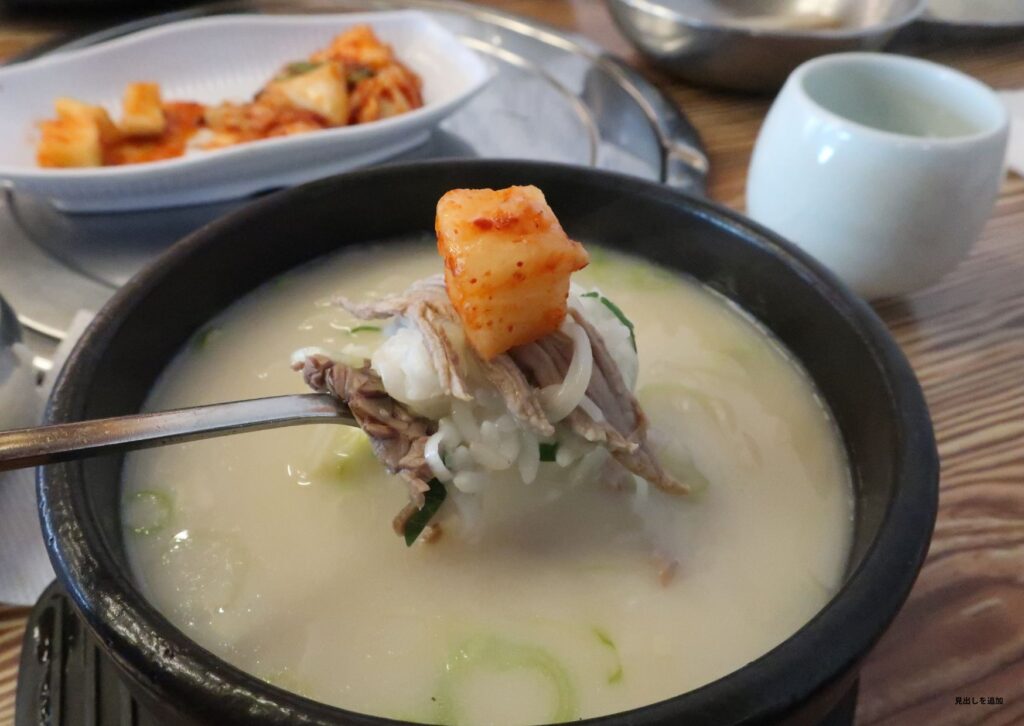
Well-fermented, slightly sour Kimchi pairs perfectly with this. The heat of the soup enhances the Kimchi’s umami, ensuring you won’t get tired of the flavor until the very last drop.
The Kuro 5 Challenge: Bringing the Ultimate Taste to Your Home with “Rich Soup”
By now, you might be thinking, “If it’s so healthy and delicious, I want to drink it every day at home!” However, making a truly authentic Gomtang (bone broth) in a standard home kitchen is practically impossible.
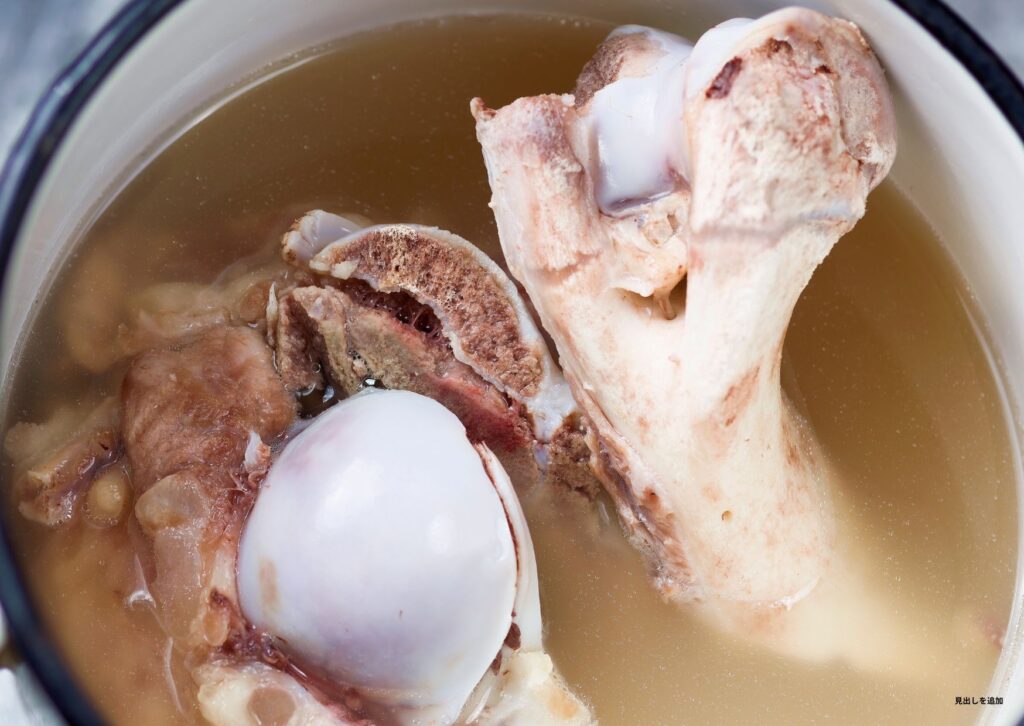
At Yakiniku Kuro 5, we dedicate an immense amount of time and effort to the soup we serve at our restaurants. The base is crafted from carefully selected domestic beef bones and chicken feet (momiji). Our biggest secret lies in the preparation: we physically crack the bones to ensure we extract every last drop of umami from the marrow. Then, we cook it in a specialized high-pressure pot to pull out the maximum amount of collagen and flavor components. This meticulous process results in our “Ultra-Rich Bone Broth”-a soup with profound depth, yet a pure, clean aftertaste devoid of any unpleasant odors.
A Miracle Retort Soup Born from Customer Requests
Over the years, many customers who tasted our soup at the restaurant told us: “I want to give this to my family when they have a cold,” “Can I take this to go for tomorrow’s breakfast?”, and “It’s so good I want to drink it every day.”
We strongly shared this desire to bring our nutritious, heartwarming soup into your daily life. But replicating that richness at home is impossible. Thus began our challenge: “Can we deliver the exact soup we make in our kitchen straight to our customers’ homes?”
We refused to rely on preservatives, and we needed to ensure that the heat-sterilization process required for retort packaging wouldn’t ruin the restaurant-quality flavor. After countless trials, errors, and fine-tuning the ingredients and cooking times, our artisans finally succeeded in creating a room-temperature storable version of our masterpiece.
This is the story behind Kuro 5’s proud retort soup brand, “Rich Soup”.
Versatile and Pure: The “Bone Broth”
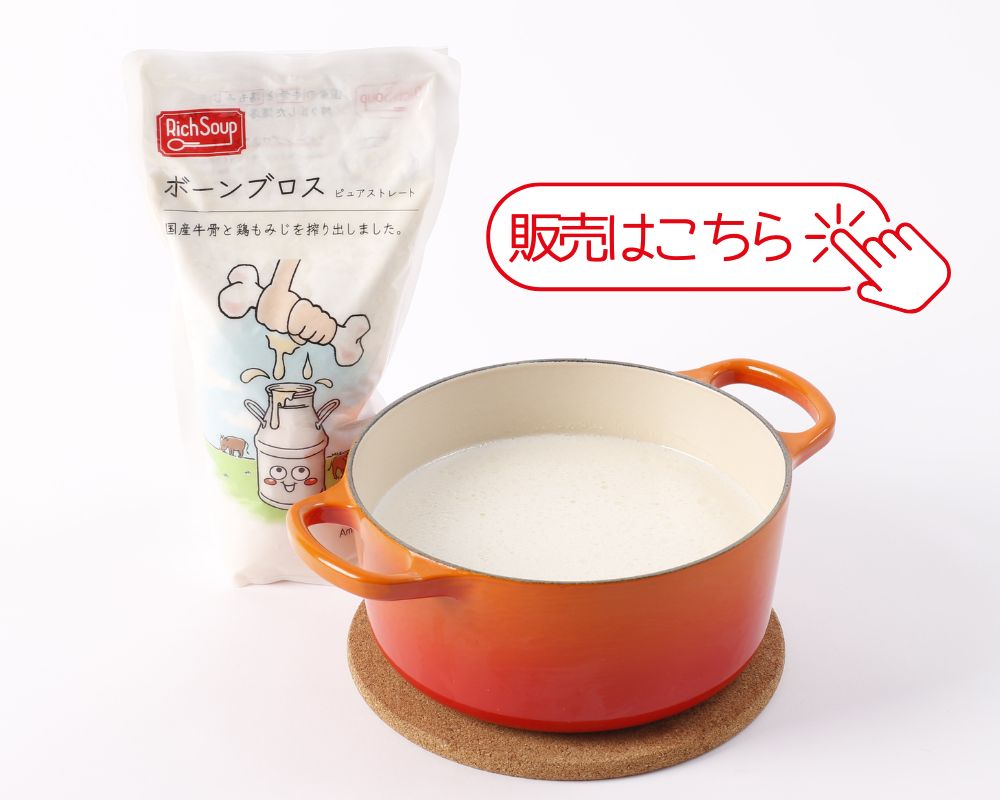
The foundation of the “Rich Soup” series is our plain “Bone Broth,” which keeps seasoning to an absolute minimum to highlight the pure umami extract. High in protein, low in calories, and rich in amino acids, this soup truly is a “drinkable beauty serum.”
Use it as a base for hot pots, and your everyday meal will taste like it came from a high-end restaurant. It also works wonders as a secret ingredient in curries, stews, or udon noodles. Of course, you can simply warm it up in a mug and drink it straight as a premium morning soup to support your gut health and beauty routine.
A Feast Just by Heating: The Hearty “Seolleongtang”
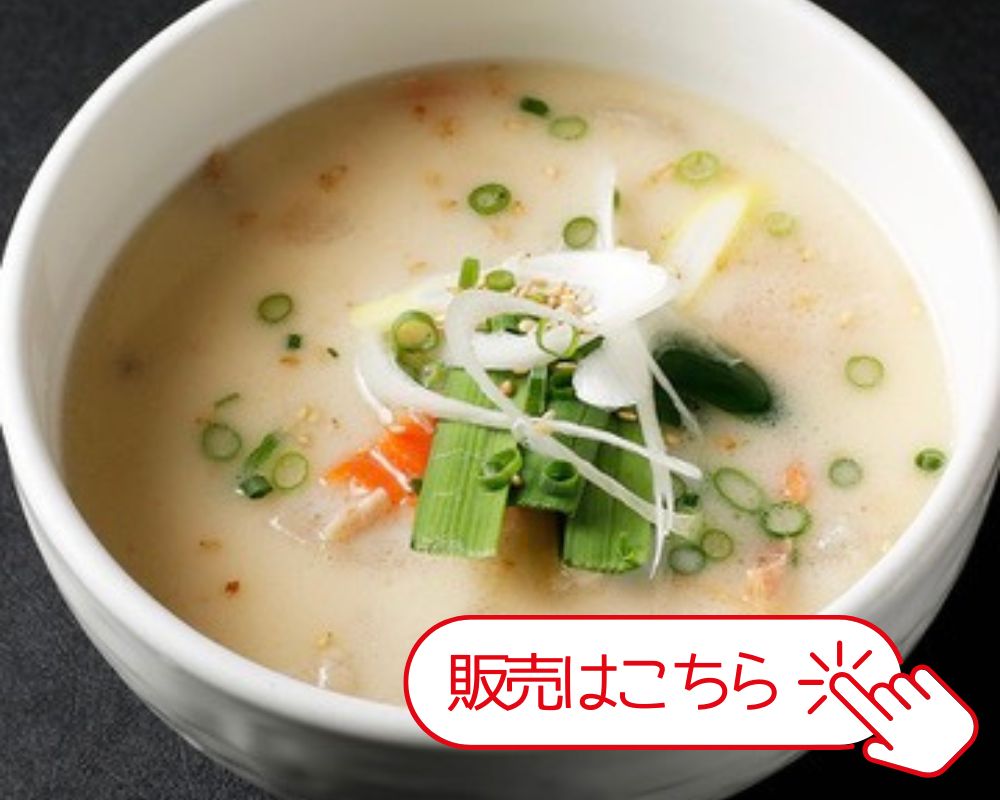
For those busy days when you want a restaurant-quality meal with zero effort, our pre-seasoned “Seolleongtang” is the perfect fit. Just like at the restaurant, the rich, cloudy white broth is packed with plenty of tender, slow-cooked beef and other ingredients.
Simply heat it up in boiling water and pour it into a bowl for a luxurious soup. Add rice to make Gukbap, or sprinkle some green onions and sesame seeds for a quick yet lavish meal. It is the ultimate comfort food for a tiring night, when you’re feeling a bit under the weather, or for a relaxing weekend lunch.
Experience Premium Wagyu with Binchotan Charcoal at “Yakiniku Kuro 5”
Gomtang soup (bone broth) isn’t just delicious; it is packed with history, collagen, nutrition, and the sweat and passion of dedicated artisans. The next time you enjoy Yakiniku, we highly recommend taking your time to savor the finishing soup.
We at “Yakiniku Kuro 5 (Kurogo)” proudly operate our restaurants in Ikebukuro and Shinjuku Kabukicho. We carefully select the highest quality Wagyu and use “Binchotan” charcoal to maximize the meat’s potential. Furthermore, we provide a “Full-Attendant Style” service, where our skilled staff cooks each slice of meat to perfection right in front of you.
After enjoying the best Harami and beautifully marbled Ribeye, cap off your meal with our continually evolving, ultra-rich bone broth. We look forward to welcoming you for an unforgettable Yakiniku experience.
And of course, we hope you enjoy the exquisite taste of “Rich Soup” in the comfort of your own home.
Yakiniku Kuro 5 – Store Information
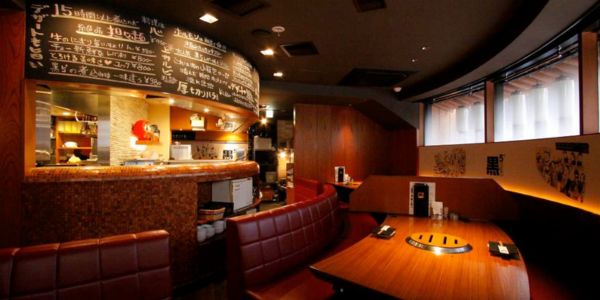
Store: Yakiniku Kuro 5 Main Store (Ikebukuro)
Address: Seama 100 Bldg 1F, 2-46-3 Ikebukuro, Toshima-ku, Tokyo 171-0014
Nearest Station: JR Ikebukuro Station (West Exit) – 5 min walk
Business Hours: 17:00 – 24:00 (L.O. 23:30)
Closed: Open all year round
Store: Yakiniku Kuro 5 Ikebukuro East Exit
Address: Need Bldg 2F, 1-42-16 Higashi-Ikebukuro, Toshima-ku, Tokyo 170-0013
Nearest Station: JR Ikebukuro Station (East Exit) – 5 min walk
Business Hours: 17:00 – 24:00 (L.O. 23:00)
Closed: Open all year round
Store: Yakiniku Kuro 5 Kabukicho
Address: Sankei Bldg 1F, 2-21-4 Kabukicho, Shinjuku-ku, Tokyo
Nearest Station: Seibu Shinjuku Station – 5 min walk / Shinjuku Sanchome Station – 7 min walk
Business Hours: 18:00 – 05:00 next day (L.O. 04:00)
Closed: Open all year round

