
Table of Contents
- 1. Popular Cuts in the Lean Beef Trend: What are Rump and Ichibo?
- 2. Anatomizing the “Ranichi” (Hip Block): The Position of Neighboring Cuts
- 3. The King of Lean Beef: Unique Features and Tenderness of Rump
- 4. A Hybrid of Marbling and Lean Flavor: The Secrets of Juiciness in Ichibo
- 5. Different Fat Levels and Flavors: Comparing Rump and Ichibo Directly
- 6. Overcooking is Strictly Prohibited: Grilling Rump to a Perfect Medium-Rare
- 7. Grilling the Fat Side Aromatic and Crispy: Pro Grilling Techniques for Ichibo
- 8. Complementing Natural Quality: Best Seasonings (Salt, Tare, Wasabi)
- 9. Comparison: 3 Key Differences Between Rump and Ichibo for Dining Selections
- 10. Conclusion: Understand the Differences of Hip Cuts to Enhance Your Yakiniku Life
Hello everyone, this is Sondo from Kuro5.
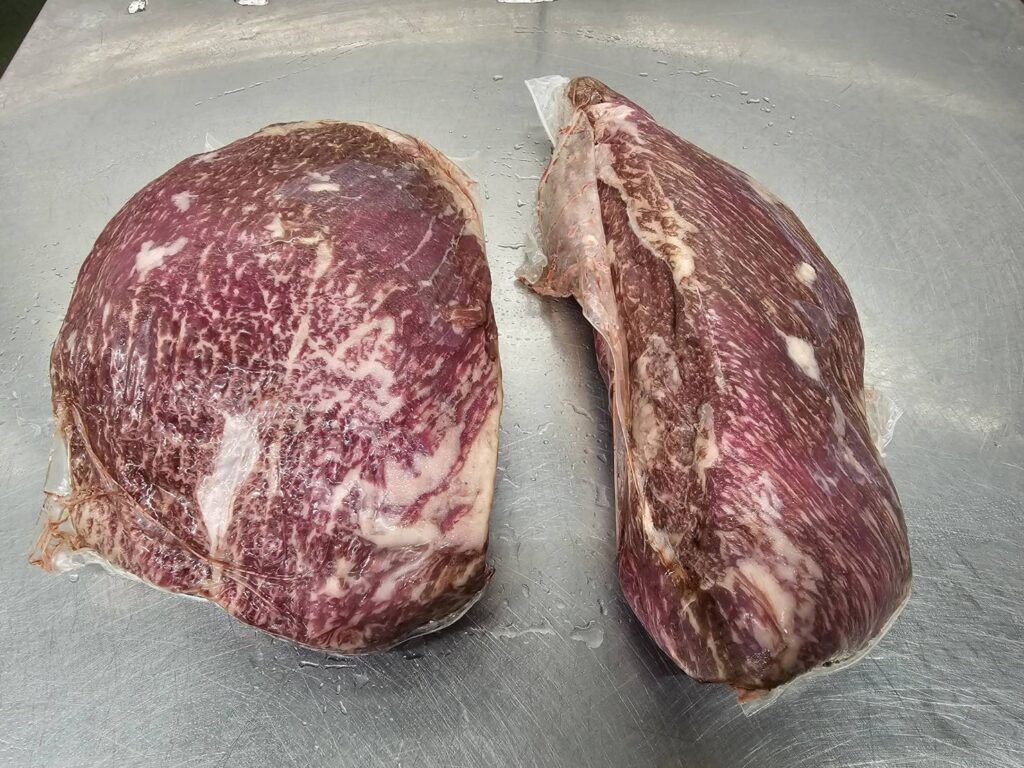
With the growing popularity of healthy dining and lean beef, cuts like “Rump” and “Ichibo” (aitchbone) are highly visible at yakiniku restaurants and steak houses. While both are celebrated as premium cuts from the hip area, guests often wonder how they differ, which is more tender or juicy, and which best suits their dining preferences.
In fact, Rump and Ichibo are neighboring cuts sliced from the same large muscle block at the beef hip. Despite being adjacent, their texture, marbling, and flavor profiles differ significantly. Grilling and seasoning them to complement their properties helps highlight their best qualities. Although Kuro5 does not currently serve these specific cuts, I would like to explain the anatomical differences, flavor features, and pro tips for grilling and enjoying Rump and Ichibo.
1. Popular Cuts in the Lean Beef Trend: What are Rump and Ichibo?
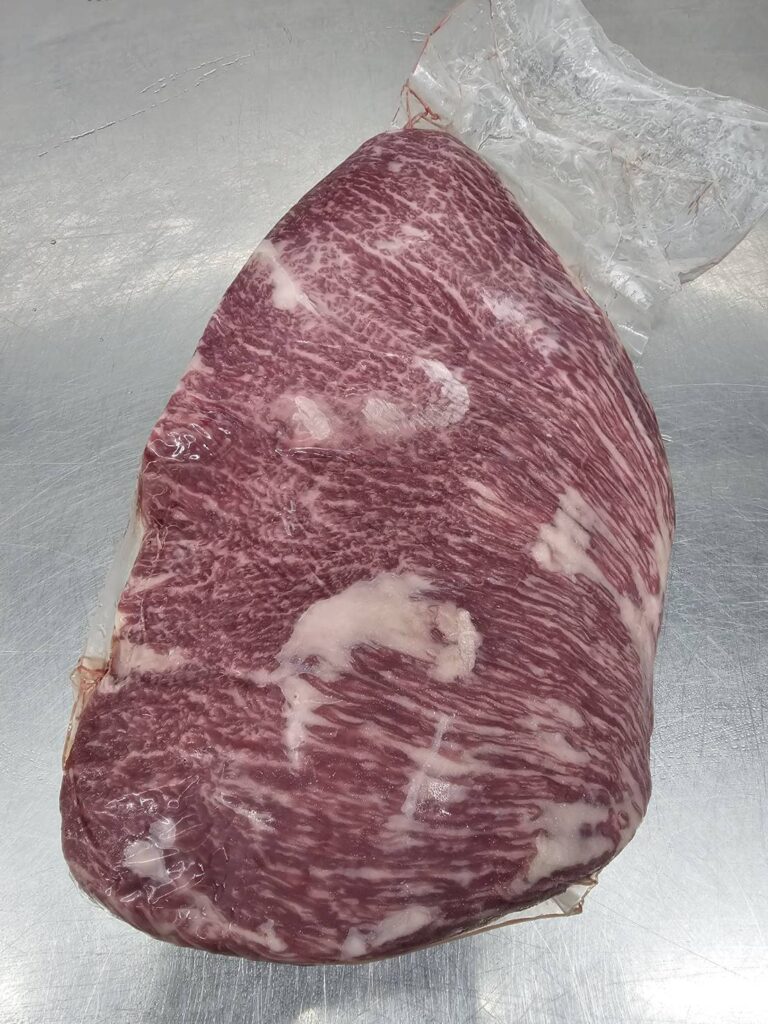
Let us examine why Rump and Ichibo have become so popular in the modern yakiniku scene.
Historically, heavily marbled Kalbi cuts were the main attraction at yakiniku tables. However, a growing focus on health and a preference for the deep, natural flavor of lean beef led to rising demand for premium, tender red meat cuts. Rump and Ichibo emerged as the primary choices to meet this demand.
Although classified as round meat, they are far more tender than typical round cuts and offer an excellent balance between marbling and lean beef. They satisfy both the desire for lean, healthy dining and the rich, tender profile of premium beef, making them highly popular rare selections.
2. Anatomizing the “Ranichi” (Hip Block): The Position of Neighboring Cuts
Where are Rump and Ichibo located? Let us examine their anatomical positions.
The large muscle block stretching across the beef hip and lower back is referred to as the “Ranichi” (rump-ichibo block). After removing bones and excess outer fat, chefs divide this portion along the natural muscle seams into two primary cuts: “Rump” and “Ichibo.”
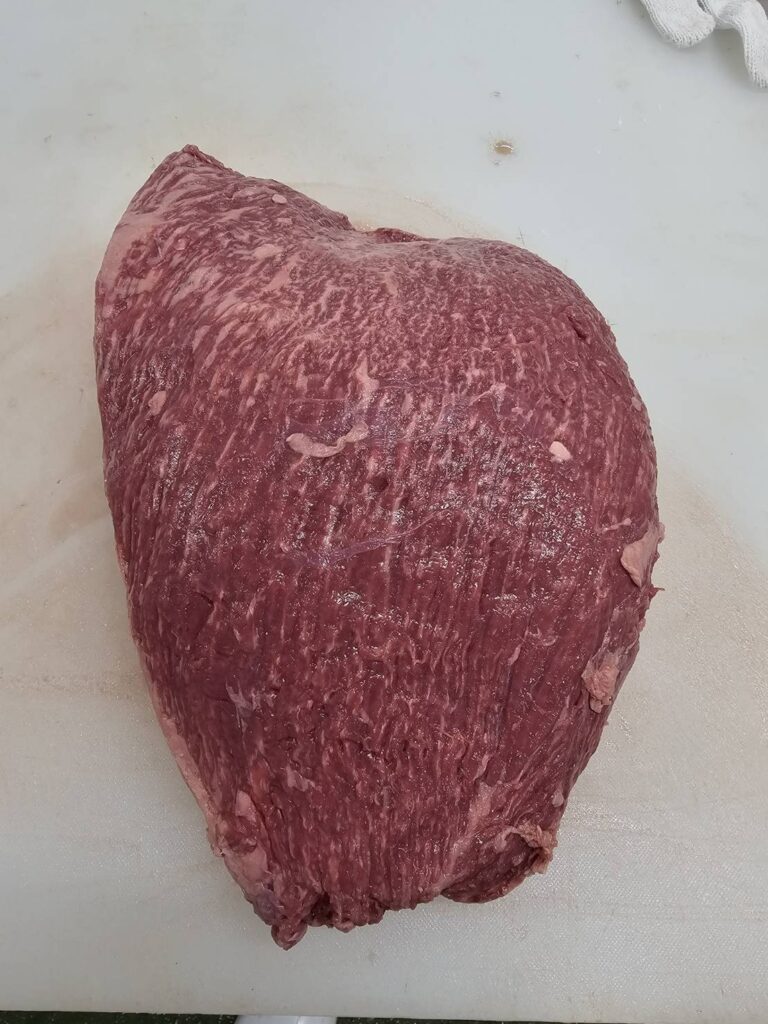
– Rump (Upper Hip Side):
Located immediately behind the sirloin along the upper hip. Because it experiences minimal physical movement, it has fine fibers and is celebrated as one of the most tender lean cuts in the round portion.
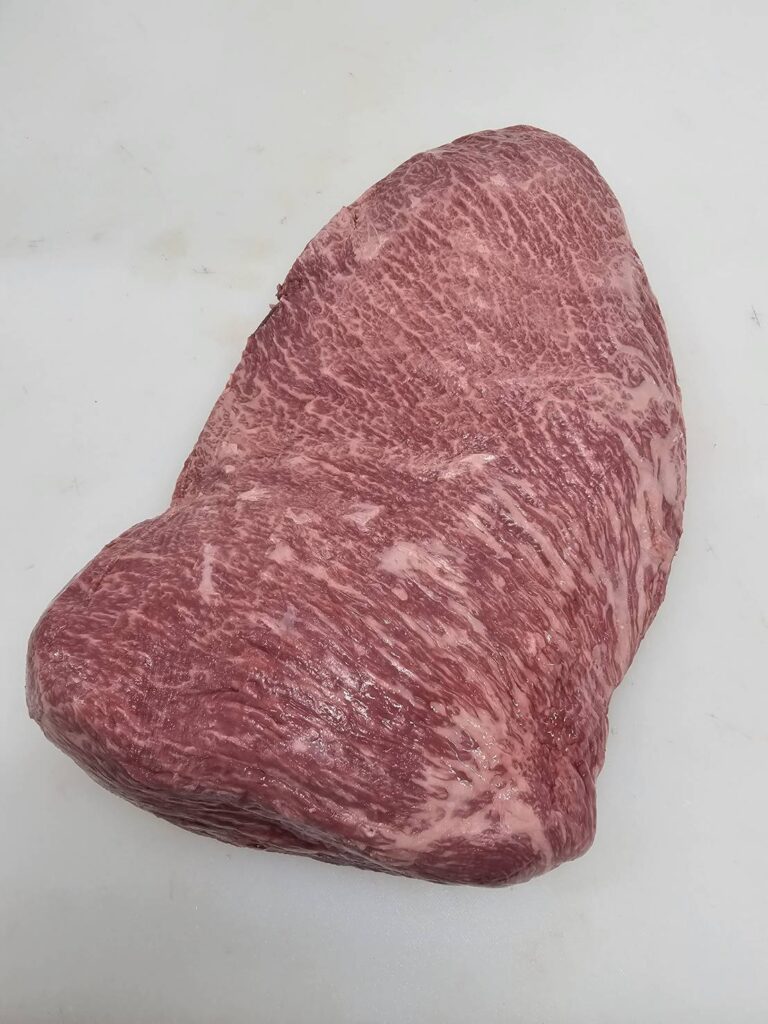
– Ichibo (Lower Hip & Pelvic Side):
Located beneath the Rump, surrounding the pelvic bone (aitchbone). Because this muscle supports leg movement near the bone structure, it tends to gather finer marbling and holds a layer of fat on one side. The name “Ichibo” is a Japanese adaptation of the word “aitchbone.”
These neighboring positions on the same “Ranichi” block explain why they develop distinct fat and marbling profiles.
3. The King of Lean Beef: Unique Features and Tenderness of Rump
Rump is celebrated as the king of lean beef, offering a clean, elegant flavor profile.
Because the muscle fibers are fine and uniform, it has a tender, soft bite that cuts easily. It contains very little marbling, with only a thin outer fat layer, allowing diners to enjoy the clean taste and mineral notes of lean beef without fatty heaviness.
For guests who want to enjoy the natural aroma and juices of beef without the rich fat of rib cuts, Rump serves as a highly satisfying, clean selection.
4. A Hybrid of Marbling and Lean Flavor: The Secrets of Juiciness in Ichibo
In contrast to the lean profile of Rump, neighboring Ichibo displays fine, dense marbling running through the red meat.
The appeal of Ichibo lies in its hybrid nature, balancing marbled sweetness with rich lean beef flavor. Muscles near the pelvic bone gather fat easily to cushion movement. Grilling melts this fine marbling, releasing a sweet, buttery Wagyu aroma and juicy mouthfeel.
Concurrently, because it is hip meat, it retains a deep, savory beef flavor. It offers the juicy richness of Kalbi alongside the robust flavor of round meat, providing a balanced and satisfying bite.
However, there is a hidden caution that beef experts and skilled butchers must manage when dealing with Ichibo. Because it is located in the pelvic/hip region, Ichibo often contains intramuscular nodules or scars called “shikori” (hard calcium deposits or fibrous tissue). If you happen to bite into a piece containing a shikori, the meat will feel extremely tough and rubbery, despite having beautiful marbling. Spotting these nodules during cutting and trimming, and ensuring they are removed or avoided before serving, requires a skilled butcher’s eye and expert craftsmanship. Because visual appearance can be deceiving, choosing Ichibo prepared by a trusted expert is essential.
5. Different Fat Levels and Flavors: Comparing Rump and Ichibo Directly
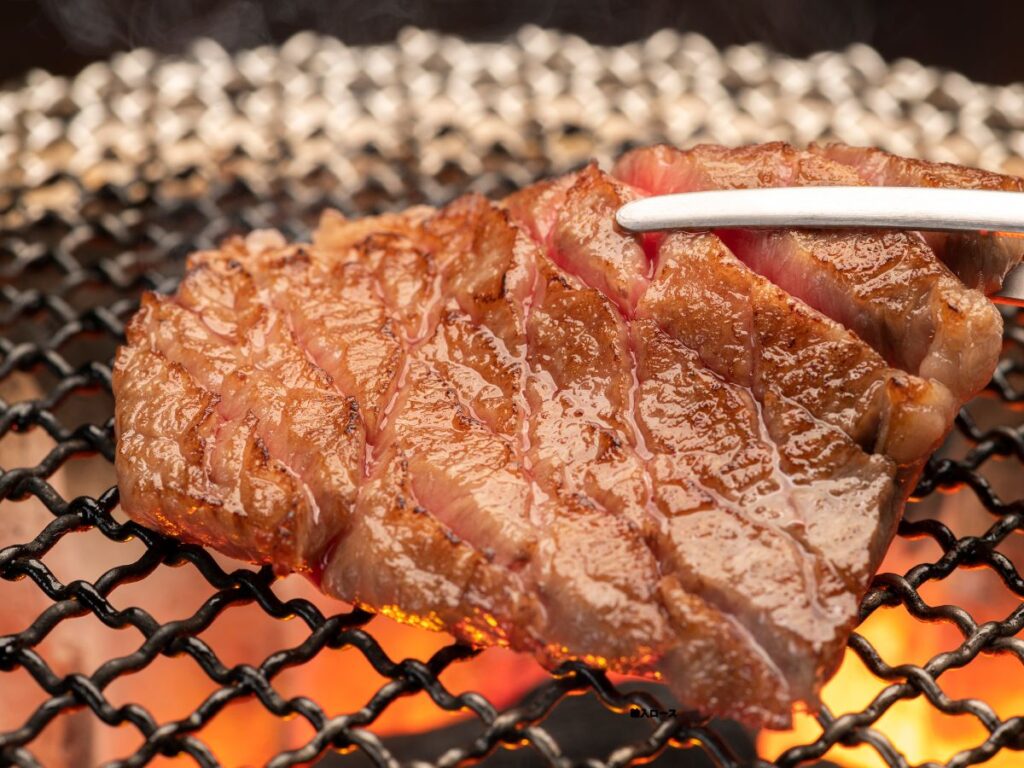
How do Rump and Ichibo differ when tasted?
The primary difference is the fat content and sweetness. Rump is lean and clean, highlighting deep beef umami and mineral notes. Ichibo is richer, highlighting sweet Wagyu fats and a juicy profile when seared.
Their textures also differ. Rump has a soft, uniform, pillowy tenderness, while Ichibo possesses a slight chew from its outer fat layer paired with a melting, marbled center. Choose Rump for a clean beef flavor, and Ichibo for rich, marbled sweetness.
6. Overcooking is Strictly Prohibited: Grilling Rump to a Perfect Medium-Rare
To enjoy Rump, the most important rule is “never overcook it.” Because Rump is composed primarily of lean protein, heating it too long causes the fibers to contract and dry out, leaving the meat firm.
To grill Rump, place it over medium-high heat to sear one side. As soon as juices begin to rise to the surface, flip the cut and sear the other side lightly for 15 to 20 seconds before serving.
The goal is a perfect medium-rare with a warm pink center. Resting the meat on your plate for a moment after grilling allows the juices to settle within the fibers, ensuring a tender, juicy bite.
7. Grilling the Fat Side Aromatic and Crispy: Pro Grilling Techniques for Ichibo
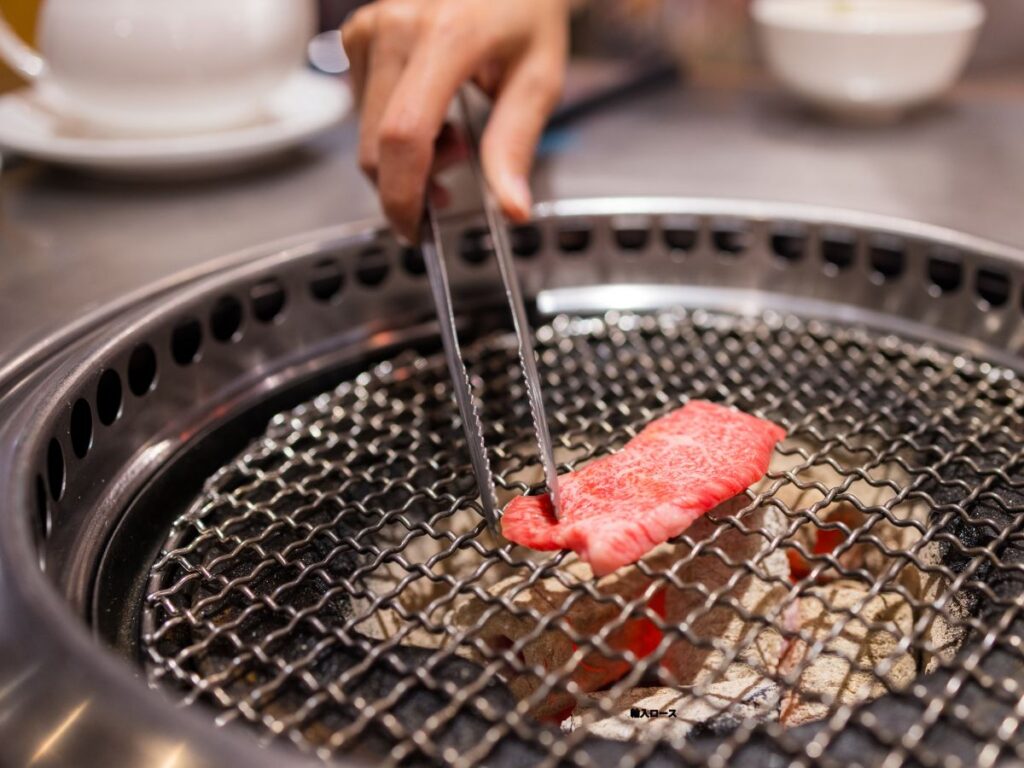
Because Ichibo has rich marbling and a layer of fat on one side, it requires a different grilling technique. The key is to render the excess fat and sear the fat side to a crispy finish.
Begin by placing the fat-rimmed side of the cut over the hot section of the grill to render the fat. As the fat melts, it drips onto the coals, creating a savory smoke that wraps around the beef (caramelizing sugars and proteins on the surface).
Once the fat side is seared crispy, grill the flat sides quickly over high heat, serving the meat at medium doneness. This melts the inner marbling while rendering the outer fat, producing a balanced, flavorful bite.
Additionally, adjusting the heat based on the thickness of the cut is a key professional skill. For steak-like 【thick cuts】, follow the process above to grill the fat side thoroughly and render excess grease onto the coals. For thin yakiniku slices 【thin cuts】, sear both sides rapidly over high charcoal heat. Thin slices allow the marbled fats to melt instantly and blend smoothly into the beef, presenting a tender mouthfeel without being heavy.
8. Complementing Natural Quality: Best Seasonings (Salt, Tare, Wasabi)
Rump and Ichibo perform best when paired with seasonings that complement their fat levels.
– Rump with Sea Salt and Fresh Pepper:
To appreciate Rump’s clean lean flavor, pair it with simple sea salt and coarse black pepper. Alternatively, coating it lightly in tare and enjoying it with a touch of wasabi soy sauce highlights its tender texture.
– Ichibo is Best Seasoned Based on Thickness:
The ideal seasoning for Ichibo depends on the thickness of the cut. For steak-like 【thick cuts】, pair the beef with simple sea salt and fresh wasabi to balance the rich fat sweetness. The salt highlights the beef flavors while the wasabi cleanses the palate. For thin yakiniku slices 【thin cuts】, coating the beef in sweet tare is highly recommended. The caramelized tare seared over charcoal coordinates beautifully with the clean, elegant red meat texture of thin-cut Ichibo, creating a unified flavor profile. A squeeze of fresh lemon juice can also be added to refresh the palate.
9. Comparison: 3 Key Differences Between Rump and Ichibo for Dining Selections
Differences Between Rump and Ichibo
1. Appearance and Fat Content:
- Rump: Deep red with minimal marbling. Uniform, fine-grained fibers located at the upper hip.
- Ichibo: Features dense, fine marbling and a distinct layer of fat on one side. Located near the pelvic bone.
2. Flavor and Grilling Goals:
- Rump: Highlights clean, deep lean beef flavor. Best served medium-rare to preserve moisture and tenderness.
- Ichibo: Combines sweet fat with beef flavor. Best served medium after rendering the fat side crispy.
3. Seasoning Pairings:
- Rump: Best with sea salt, pepper, or light tare with wasabi soy sauce.
- Ichibo: Best with sweet tare and a touch of fresh wasabi to balance the rich marbling.
10. Conclusion: Understand the Differences of Hip Cuts to Enhance Your Yakiniku Life
Rump and Ichibo offer distinct and satisfying ways to enjoy beef hip cuts, balancing clean lean tenderness with rich, caramelized marbling.
Understanding these properties helps you select and enjoy these cuts whenever you dine.
While Kuro5 does not serve Rump and Ichibo, we offer excellent alternatives in the round category, including our hand-sliced Tomosankaku served as “Premium Loin” and our Shinshin seared using the rolling grill method. We invite you to visit Kuro5 Honten, Higashiguchi, or Kabukicho tonight to enjoy our signature cuts and hospitality.
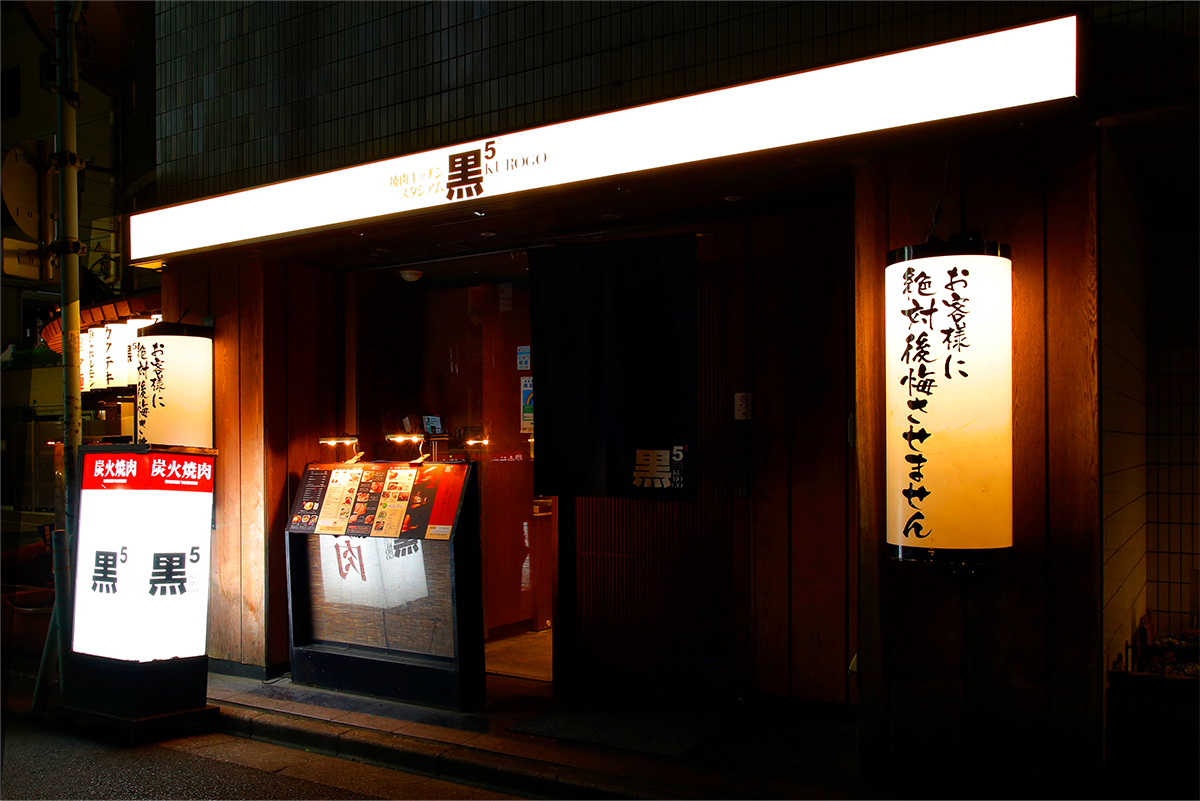
- Charcoal Yakiniku Kuro5 Honten
1F Nishi-Ikebukuro Bldg, 2-46-3 Nishi-Ikebukuro, Toshima-ku, Tokyo / 5 min walk from JR Ikebukuro Station - Charcoal Yakiniku Kuro5 Higashiguchi
1F Tsukiji Bldg, 1-42-16 Higashi-Ikebukuro, Toshima-ku, Tokyo / 3 min walk from JR Ikebukuro Station East Exit - Charcoal Yakiniku Kuro5 Kabukicho
1F Sankyo Akagawa Bldg, 2-21-4 Kabukicho, Shinjuku-ku, Tokyo

