



Table of Contents
- 1. Headliners of Offal Dining: How Do the Cow’s Four Stomachs Differ?
- 2. The 1st Stomach: Mino! The Appeal of a Thick, Crisp, and Tender Texture
- 3. The 2nd Stomach: Hachinosu! Honeycomb Visuals and Collagen-Rich Umami
- 4. The 3rd Stomach: Senmai! Low-Calorie, Iron-Rich Leafy Crispness
- 5. The 4th Stomach: Giara! The Rich Fat and Bold Umami of the True Stomach
- 6. Masking Odor and Creating Flavor: The Crucial Role of Meticulous Prep and Cut Scoring
- 7. Professional Grilling Tips: Searing Senmai vs. Slow Grilling Mino and Giara
- 8. Maximizing Flavor with Seasonings: Pairing Salt and Savory Miso-Tare
- 9. Comparison: 3 Key Differences Between Mino, Hachinosu, Senmai, and Giara
- 10. Conclusion: Experience Hand-Trimmed Premium Offal at Kuro5 Tonight
Hello everyone, this is Sondo from Kuro5.

Alongside premium cuts like loin and ribeye, offal (horumon) holds a loyal following at yakiniku tables. Among these offal cuts, cow stomachs like “Mino,” “Hachinosu,” “Senmai,” and “Giara” offer some of the most satisfying textures and flavor profiles. Guests often wonder why these cuts from the same stomach system look and taste so different, why cows have four stomachs, and how to grill and season each cut.
Cows are ruminant animals that chew cud. To digest plant fibers, they possess a complex system of four distinct stomachs. Because each stomach carries a unique shape and physiological role, they yield distinct textures, fat levels, and flavors when prepared for the grill. Today, I would like to explain the anatomical features of these four stomachs, the meticulous prep methods used by our chefs, and the best ways to grill and enjoy each cut.
1. Headliners of Offal Dining: How Do the Cow’s Four Stomachs Differ?
Let us begin with an overview of the cow’s four stomachs. In order from the mouth down, they are: “1st Stomach: Mino,” “2nd Stomach: Hachinosu,” “3rd Stomach: Senmai,” and “4th Stomach: Giara.”
The first three stomachs (Mino, Hachinosu, and Senmai) are anatomically “forestomachs.” They serve to store food and allow microbes to ferment plant fibers, and they do not secrete digestive juices. Consequently, these three cuts are low in fat, high in protein and collagen, and feature clean, crisp textures (サクッ、シャキッ). In contrast, the fourth stomach, Giara, is the only “true stomach” that secretes digestive acids. Because of this digestive role, it gathers rich fats, offering a juicy, flavorful bite that sets it apart from the forestomachs. Understanding this forestomach vs. true stomach division is the key to selecting the right offal cut.
2. The 1st Stomach: Mino! The Appeal of a Thick, Crisp, and Tender Texture
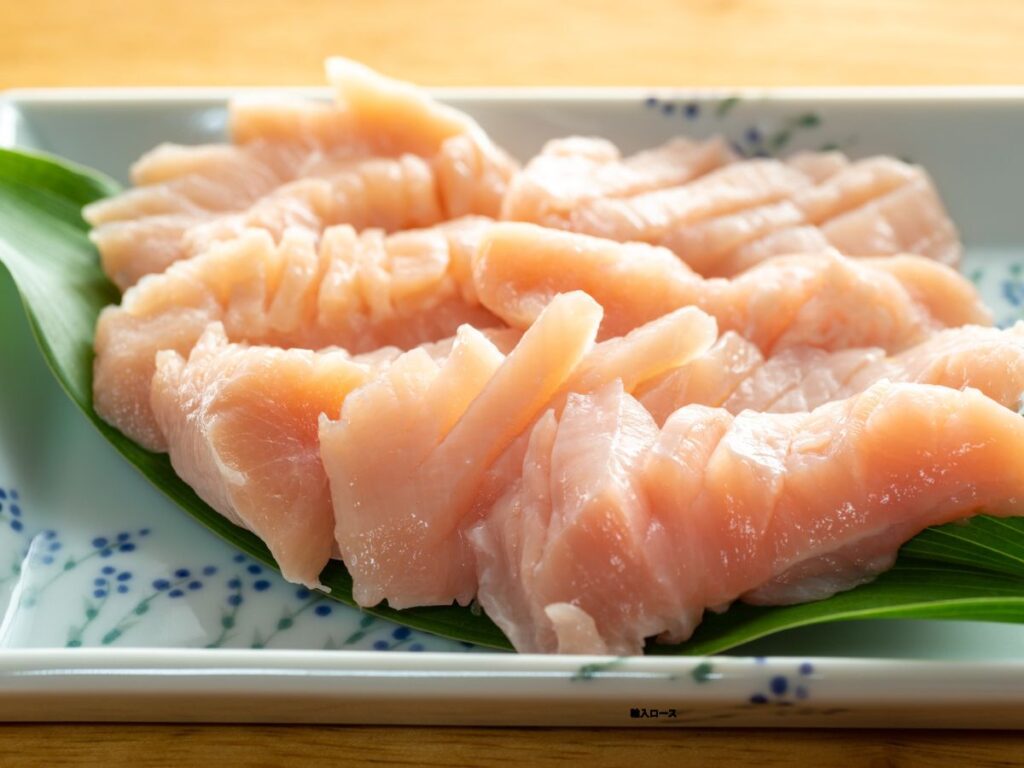
The first stomach, Mino, is the largest and most popular of the four. Sourced from the muscular walls of the rumen, it was named “Mino” in Japan due to its resemblance to a traditional straw raincoat (蓑).
Mino is characterized by its thick, white appearance and crisp, satisfying bite. It contains minimal fat and has a clean, delicate flavor similar to shellfish. The thickest, most tender center section is served as Jo-Mino (Premium Mino), offering a refined texture. Concurrently, the portion where sweet Wagyu fat is sandwiched between the muscular walls is known as Sand-Mino, combining a firm bite with rich, juicy fat.
3. The 2nd Stomach: Hachinosu! Honeycomb Visuals and Collagen-Rich Umami
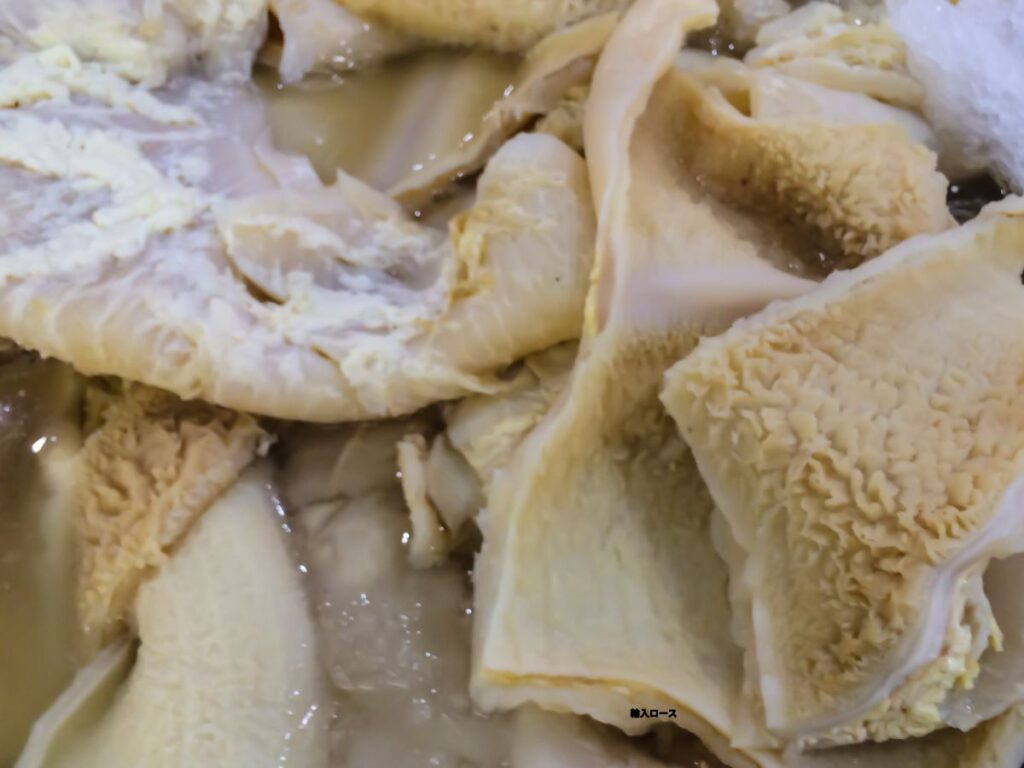
The second stomach, Hachinosu, features a hexagonal interior wall resembling a honeycomb. In European cooking, it is known as “tripe” and is widely celebrated in dishes like the French “Tripes à la mode de Caen” or Italian tomato-stewed trippa.
Hachinosu is prized for its tender, springy chew and ability to absorb flavors. The hexagonal cells trap sauces on the grill, releasing rich juices when bitten. Because it is rich in collagen, slow simmering or grilling softens the tissue, producing a deep, savory flavor. Despite its unique appearance, it has a mild flavor that is easy to enjoy.
4. The 3rd Stomach: Senmai! Low-Calorie, Iron-Rich Leafy Crispness
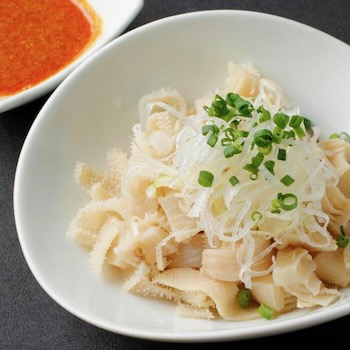
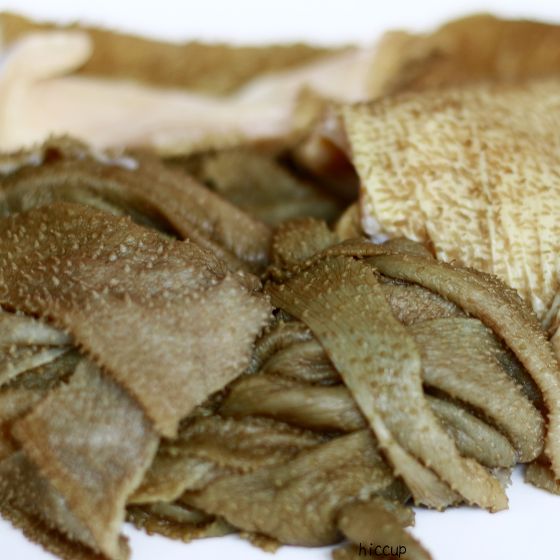
The third stomach, Senmai, features thin, leafy folds layered together, which inspired its Japanese name meaning “thousand sheets.” Sourced from the omasum, it has a grey, textured outer skin.
Senmai is highly valued for being very low in fat and calories while rich in iron and zinc. It contains virtually no fat, presenting a clean, crunchy, leafy texture. Scurbbing and peeling away the grey outer skin yields Shiro-Senmai (White Senmai), which has a milder flavor and clean appearance. It is commonly served cold as “Senmai-sashi” (Senmai sashimi) with a spicy vinegared chili paste (chojang) or sesame oil and salt.
5. The 4th Stomach: Giara! The Rich Fat and Bold Umami of the True Stomach
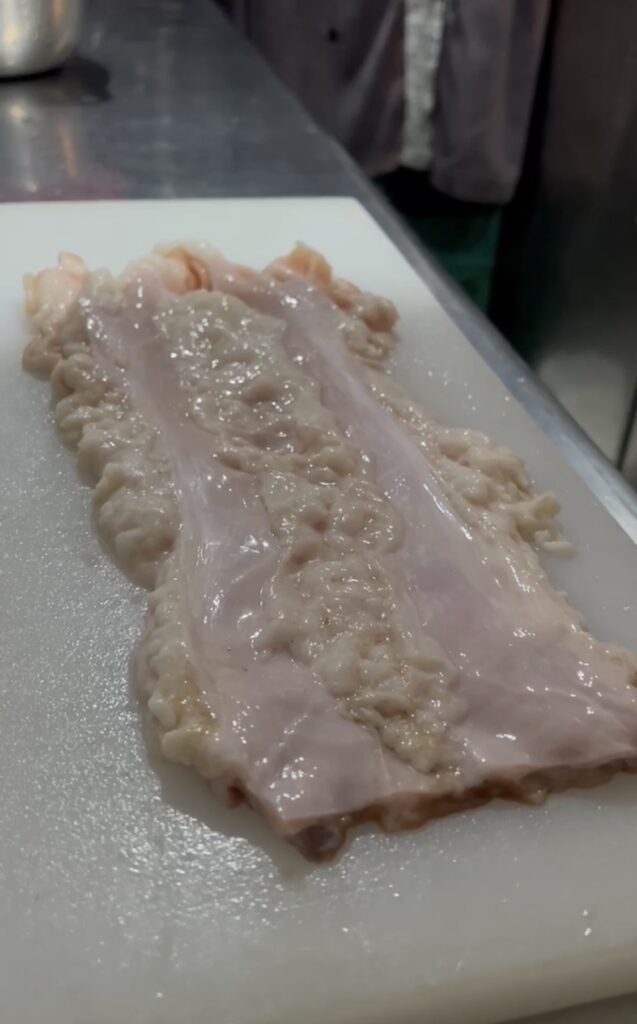
The fourth stomach, Giara, is also known as “Akasen” (red omasum) due to its pinkish hue. Sourced from the abomasum, it represents the cow’s actual true stomach.
The appeal of Giara lies in its rich fat sweetness and firm, satisfying chew. Because it is a digestive organ, its muscle tissues are tough and collagen-rich, layered with flavorful fat. Grilling renders this fat, releasing a sweet, buttery Wagyu aroma and bold umami. Its firm chew and rich flavor profile make it a favorite among offal enthusiasts.
6. Masking Odor and Creating Flavor: The Crucial Role of Meticulous Prep and Cut Scoring
While stomach cuts are delicious, they require extensive preparation (shikomi) before they reach the grill. Unprepared offal retains unpleasant odors and becomes tough to chew.
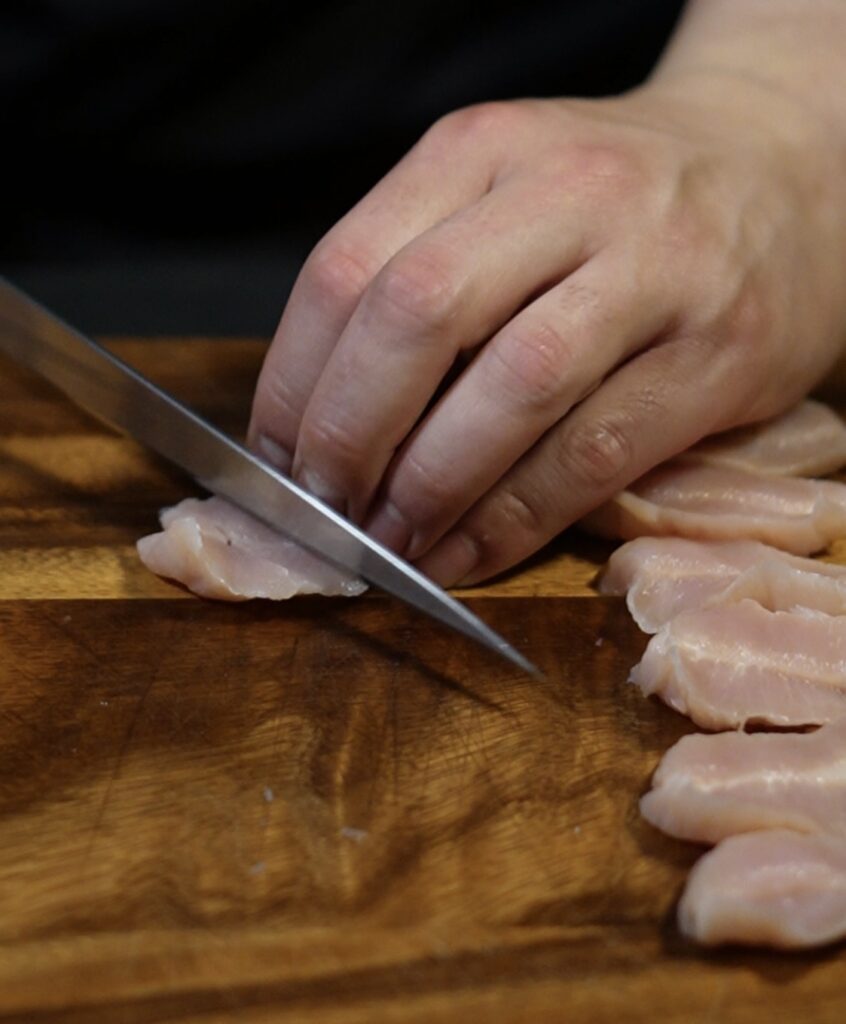
– Washing in Ice-Cold Water:
Because the stomachs process food, they gather strong aromas. Our chefs wash the fresh stomachs repeatedly by hand in ice-cold water, cleaning the cells of Hachinosu and the folds of Senmai to ensure a clean, neutral profile.
– Scoring with Hidden Cuts:
Muscular cuts like Mino or firm cuts like Giara are tough if sliced directly. Our chefs study the grain of the meat and apply a dense pattern of shallow cuts (hidden scoring) across the surface. This allows heat to penetrate evenly, rendering the meat tender and easy to bite.
7. Grilling Tips: Searing Senmai vs. Slow Grilling Mino and Giara
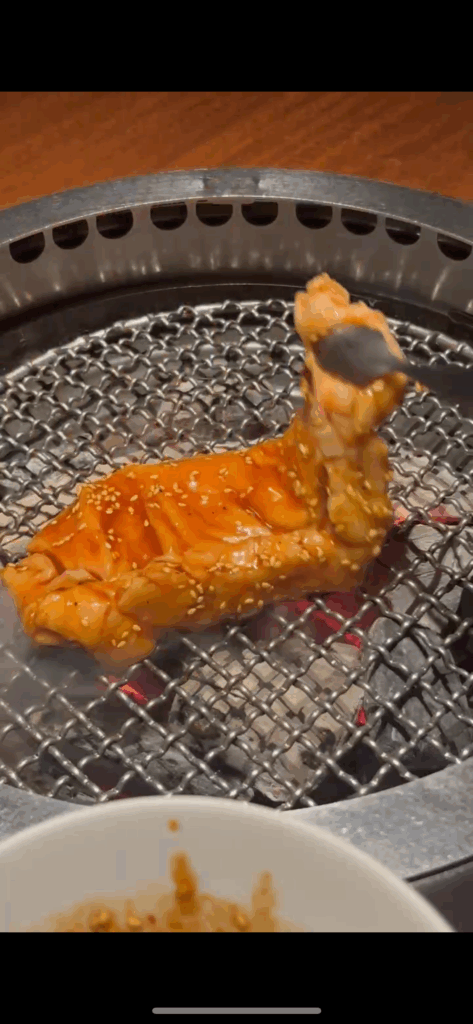
Grilling stomach cuts requires managing heat based on the cut’s fat and moisture levels.
– Senmai requires a “Rapid Sear”:
Because Senmai has no fat and high moisture, cooking it too long dries it out and leaves it rubbery. Sear it rapidly over high charcoal heat. Once the leafy edges begin to curl (a few seconds per side), it is ready to enjoy, preserving its crisp texture.
– Mino and Giara require “Slow Grilling”:
Thick Mino and fatty Giara must be cooked slowly to heat the center without burning the surface. Grill Mino over medium heat, flipping it to let the scored cuts open like flowers. Grill Giara fat-side down first to render the fat onto the coals, then sear the skin side crispy.
8. Maximizing Flavor with Seasonings: Pairing Salt and Savory Miso-Tare
Pairing each stomach cut with the right seasoning helps highlight its texture and flavor.
– Salt-Tare for Crisp Cuts (Mino, Senmai):
Mino and Shiro-Senmai have clean, delicate profiles that pair best with simple sea salt, sesame oil, and garlic rubs. This highlights their crisp texture and clean flavor, making them excellent pairings with light drinks.
– Miso-Tare for Rich Cuts (Giara, Hachinosu):
Fatty Giara and textured Hachinosu pair naturally with sweet, savory miso-tare. Searing the miso over charcoal caramelizes the sugars, balancing the rich fat of Giara and filling the honeycomb cells of Hachinosu with flavor. A rub of sesame oil, garlic, and red pepper flakes is also highly recommended.
9. Comparison: 3 Key Differences Between Mino, Hachinosu, Senmai, and Giara
Comparing the Four Stomach Cuts
1. Rumen (Mino) and Reticulum (Hachinosu):
- Mino: Thick, white, muscular, and crisp. Low in fat. Scored with hidden cuts and grilled with salt-tare.
- Hachinosu: Honeycomb structure, springy, and collagen-rich. Simmered until tender and grilled with spicy miso-tare.
2. Omasum (Senmai) and Abomasum (Giara):
- Senmai: Layered leaf-like folds. Very low calorie, rich in iron, and leafy-crisp. Served cold as sashimi or rapidly seared.
- Giara: Pinkish, true stomach cut. Very rich in sweet fat with a firm chew. Slow-grilled with savory miso-tare.
3. Seasoning Pairings:
- Salt-Tare: Ideal for Mino and Senmai to preserve their clean flavor.
- Miso-Tare: Ideal for Giara and Hachinosu to complement the rich fat and textures.
10. Conclusion: Experience Hand-Trimmed Premium Offal at Kuro5 Tonight
The unique textures and flavors of “Mino,” “Hachinosu,” “Senmai,” and “Giara” are shaped by the cow’s anatomy and the butcher’s preparation techniques.
Proper cleaning and scoring are essential to turn these challenging cuts into delicious yakiniku choices.
At Kuro5, we source fresh offal, clean it in ice-cold water, and score the fibers to ensure a tender, flavorful bite. We invite you to visit Kuro5 Honten, Higashiguchi, or Kabukicho tonight to enjoy our signature cuts and hospitality.
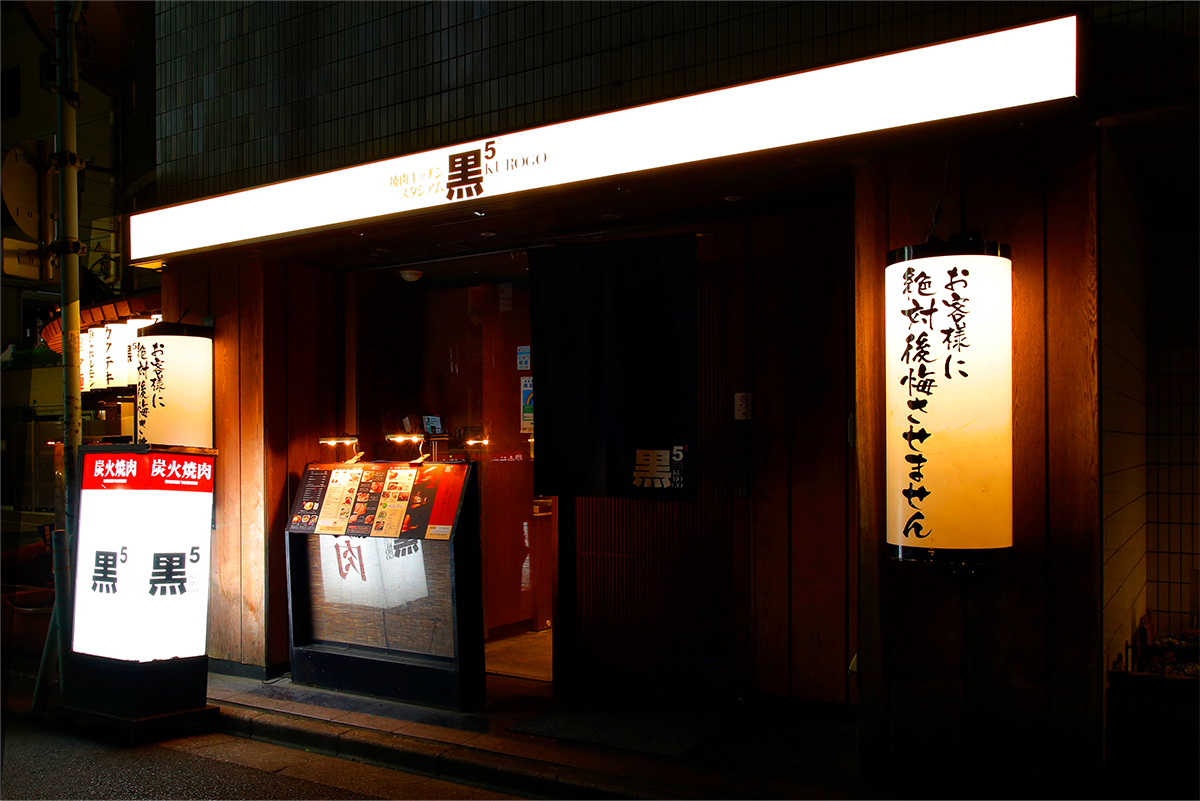
- Charcoal Yakiniku Kuro5 Honten
1F Nishi-Ikebukuro Bldg, 2-46-3 Nishi-Ikebukuro, Toshima-ku, Tokyo / 5 min walk from JR Ikebukuro Station - Charcoal Yakiniku Kuro5 Higashiguchi
1F Tsukiji Bldg, 1-42-16 Higashi-Ikebukuro, Toshima-ku, Tokyo / 3 min walk from JR Ikebukuro Station East Exit - Charcoal Yakiniku Kuro5 Kabukicho
1F Sankyo Akagawa Bldg, 2-21-4 Kabukicho, Shinjuku-ku, Tokyo

