



Table of Contents
- 1. Tender and Juicy Meat: The Science and Appeal of Sous-Vide Cooking
- 2. Beef Section: The 58°C for 1 Hour Miracle! Tips for Steak-Style Searing
- 3. Chicken & Pork Section: Chilling is Essential! The Ice-Water Shock Method
- 4. Pork Sous-Vide Pitfalls: Why Pork Belly Fails and Loin/Shoulder Loin Excel
- 5. Nutritional Value: How Sous-Vide Maximizes Vitamin and Protein Retention
- 6. Nutritional Balance: Beef vs. Pork vs. Chicken Properties
- 7. Home Kitchen Safety: Crucial Temperature and Time Guidelines
- 8. Kuro5’s Selection: High-Heat Charcoal Searing and Grilling Philosophy
- 9. Comparison Chart: Sous-Vide Methods for Beef, Pork, and Chicken
- 10. Conclusion: After Home Cooking, Experience Premium Charcoal-Seared Wagyu at Kuro5
Hello everyone, this is Sondo from Kuro5.
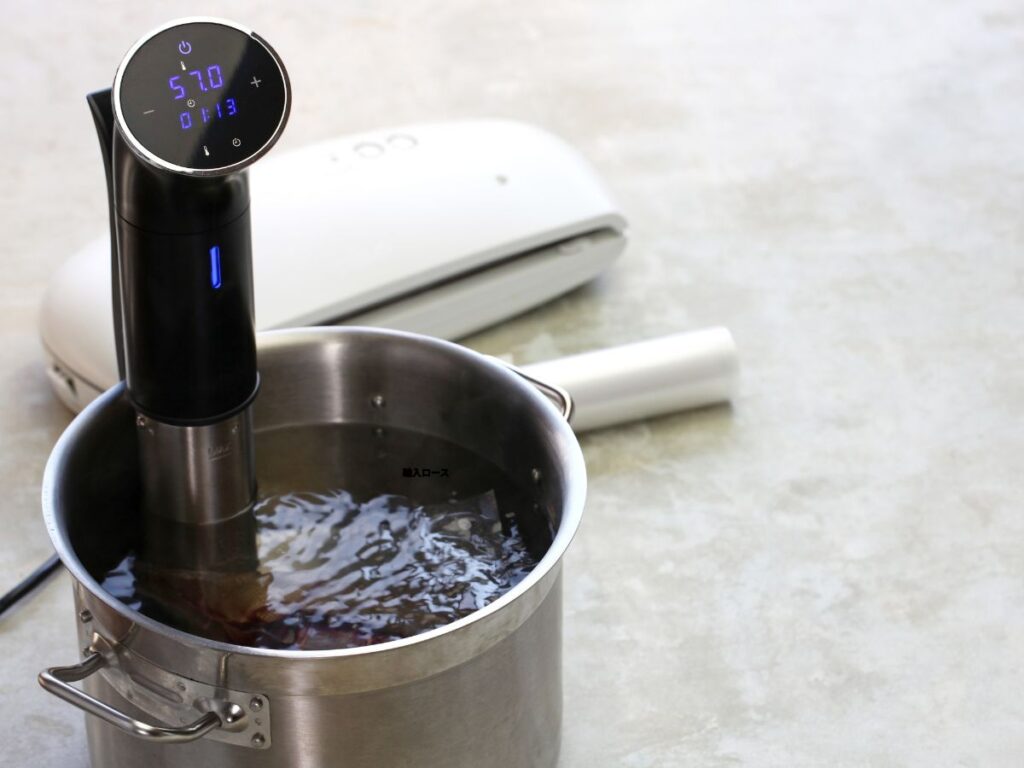
Recently, sous-vide cooking (vacuum low-temperature cooking) has gained popularity among home cooks. With accessible sous-vide devices, many enjoy preparing moist, tender meat at home. As a meat professional, I study and practice various cooking techniques, and I find sous-vide to be an excellent method for preserving juices and highlighting the meat’s flavors.
However, as you practice sous-vide cooking, you realize that you cannot use the same temperature and time for every cut. Each type of meat and cut requires a custom approach. Beef relies on a seared finish for aroma, while pork and chicken benefit from rapid chilling to lock in moisture. Today, I would like to share the methods I have discovered for beef, pork, and chicken, including cut selection, cooking temperatures, and nutritional benefits.
1. Tender and Juicy Meat: The Science and Appeal of Sous-Vide Cooking
Why does sous-vide cooking make meat significantly more tender than standard pan-searing?
Meat proteins contract when heated. The protein myosin, which holds water within the muscle fibers, begins to coagulate around 50°C. Actin, the protein that tightens fibers and squeezes out moisture, coagulates above 66°C. Searing meat quickly over high heat (above 66°C) causes actin to contract, pushing out juices and leaving the meat firm.
Sous-vide cooking maintains a stable temperature between 55°C and 65°C, below the coagulation point of actin. This allows the meat to soften while retaining its natural moisture. Let us examine the guidelines for each meat type.
2. Beef Section: The 53°C for 1 Hour Miracle! Tips for Steak-Style Searing
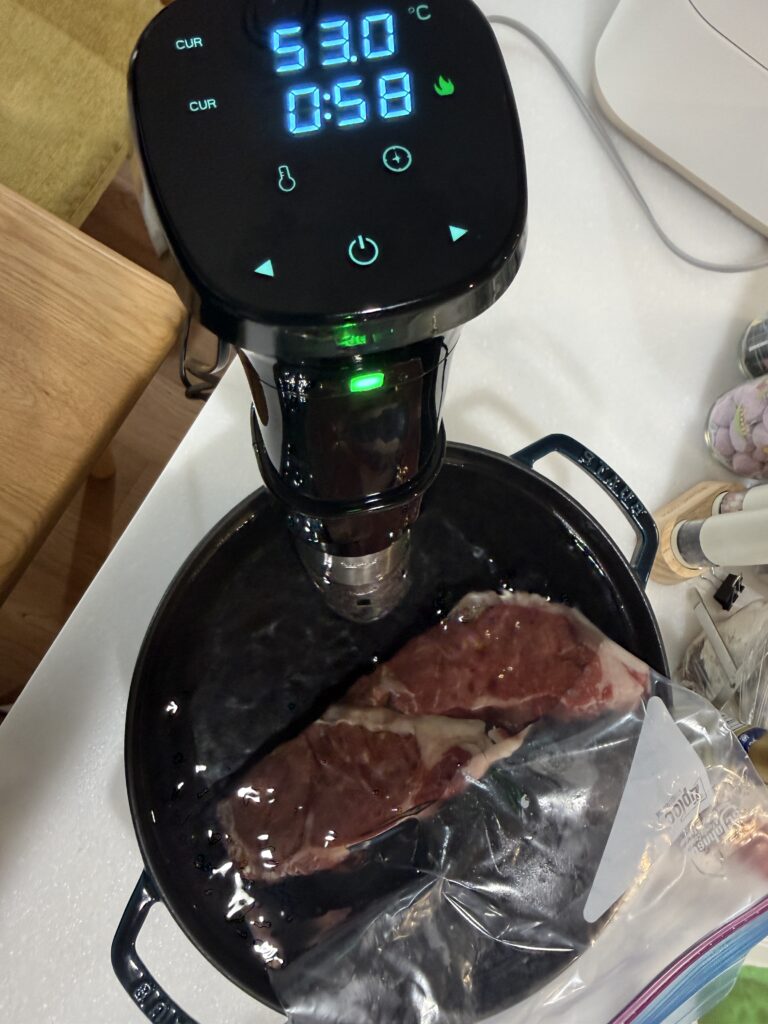
My recommended setting for beef is 53°C for 1 hour. This temperature profile works exceptionally well when cooking lean cuts, such as thick-cut Australian Aussie beef, which has gained popularity recently.
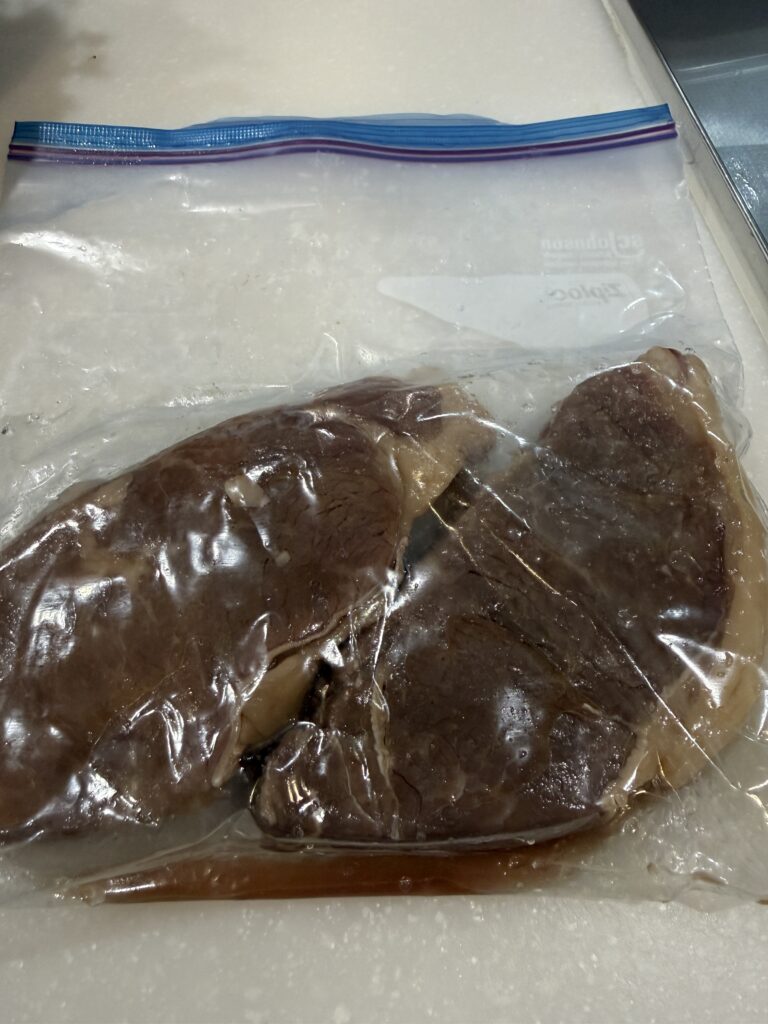
At 53°C, the natural tenderness and savory juices of the beef red meat are preserved at their maximum level. However, because lean cuts like thick-cut Aussie beef contain less fat compared to Wagyu, cooking them directly in a vacuum bag (such as a Ziploc) can sometimes result in a dry mouthfeel. To prevent this, we use a professional chef’s tip: sprinkle a pinch of salt on the meat’s surface and lightly coat the entire cut with olive oil before sealing it in the Ziploc bag. The olive oil coats the meat surface to block juice escape while adding a delicate fat layer, yielding a remarkably juicy and flavorful steak.
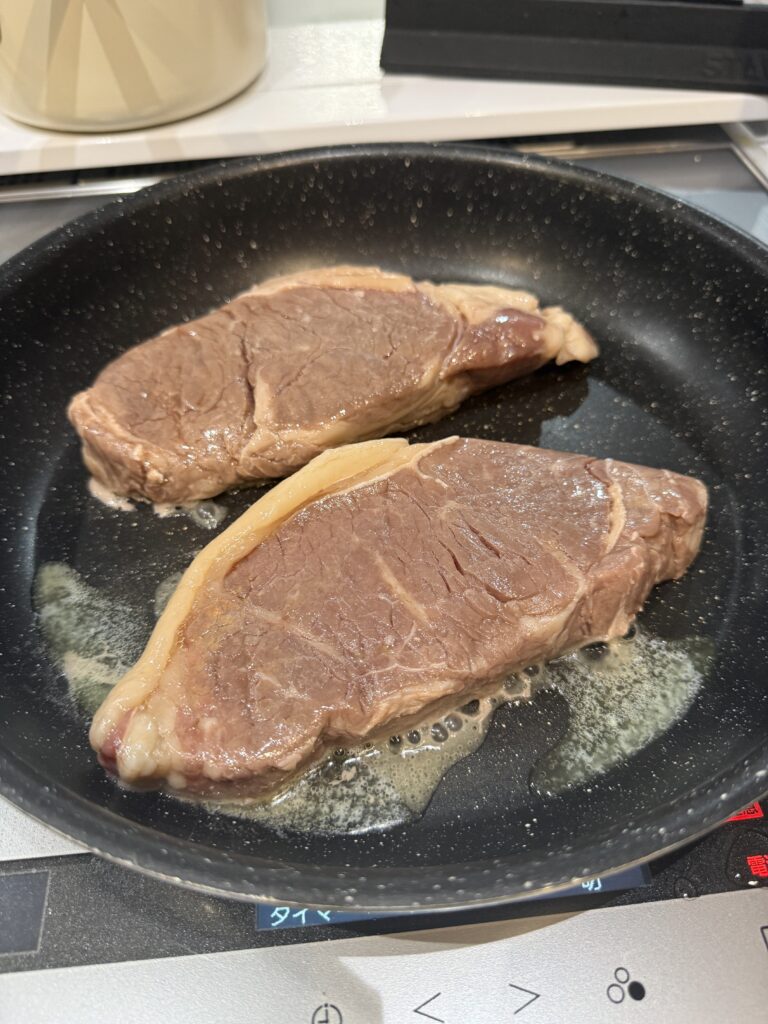
After cooking at 53°C for 1 hour to produce a perfect rare or medium-rare profile throughout the cut, remove the beef from the bag and finish it in a frying pan. Place the steak in a preheated frying pan over high heat, and sear the surface quickly to develop a caramelized crust as the final touch.
While roast beef is delicious served cold, steak requires a hot, seared exterior. This seared aroma, created by the Maillard reaction (the chemical reaction between proteins and sugars under high heat), is essential. Combining a tender, juicy center coated in olive oil with a pan-seared crust yields an excellent steak.
3. Chicken & Pork Section: Chilling is Essential! The Ice-Water Shock Method
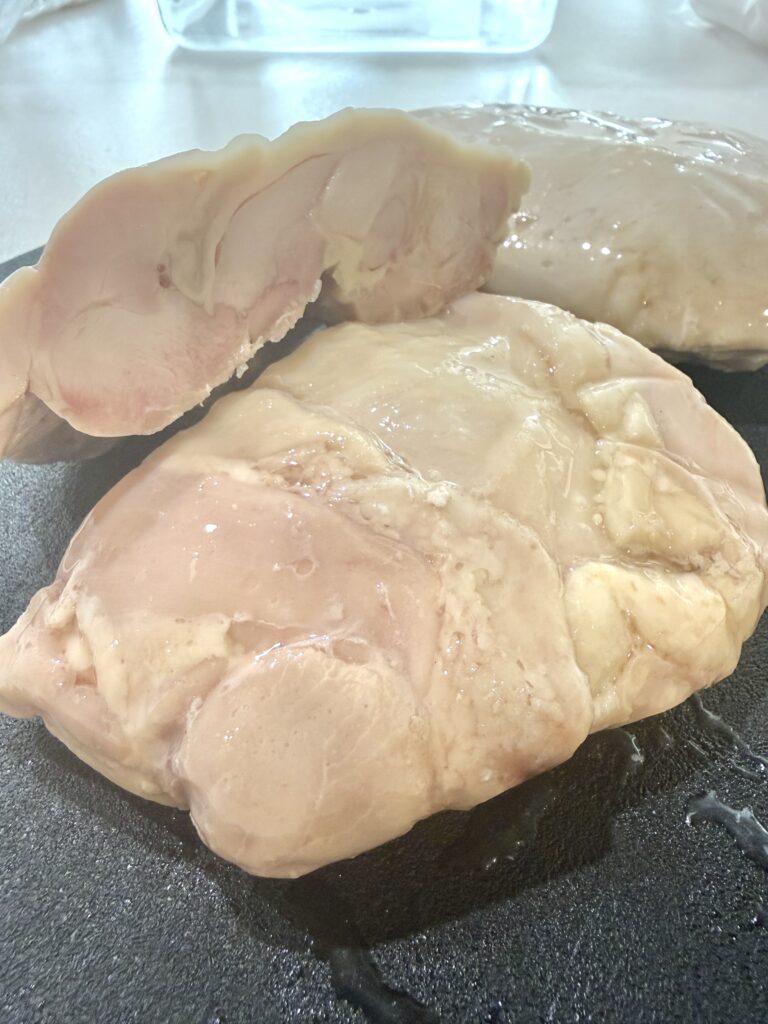
On the other hand, when preparing chicken, pork, or even fish and eggs, there are two magic temperature zones for sous-vide cooking: 63°C and 60°C.
For chicken (both chicken breast and chicken thigh), the standard setting is 60°C for 1 hour. For thicker block cuts, cooking at 60°C for 1.5 hours is ideal to ensure even heating while keeping the meat incredibly moist. After heating, place the bag in an ice bath or the refrigerator to chill and tighten the fibers. This stabilizes the juices and gelatin within the meat, providing a tender and juicy mouthfeel when sliced.
For pork, especially pork shoulder loin, the best setting is 63°C for 3.5 hours (depending on thickness). The 63°C zone is ideal for dissolving collagen while keeping the red meat tender and ensuring food safety. Chilling the pork in an ice bath after cooking integrates the marbling and lean textures beautifully, resulting in a melt-in-your-mouth bite.
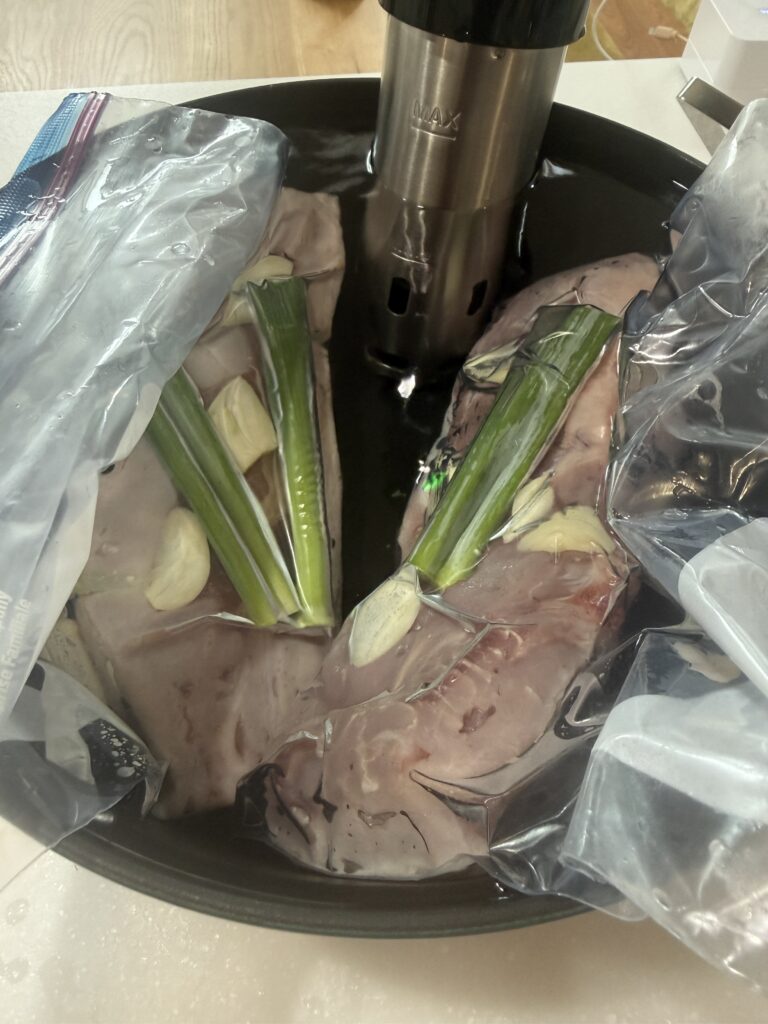
Additionally, the 63°C zone works wonders for other ingredients. For example, cooking fish (such as mackerel or salmon fillets) at 63°C for 45 minutes to 1 hour before searing the skin keeps the fish exceptionally moist and flaky. For the perfect onsen egg (hot spring egg), heating eggs at 63°C for 45 minutes produces a delicate, custardy yolk and soft white, serving as a perfect topping for your meat dishes.
4. Pork Sous-Vide Pitfalls: Why Pork Belly Fails and Loin/Shoulder Loin Excel
Selecting the right cut is crucial when preparing pork sous-vide, as different fats behave differently under low heat.
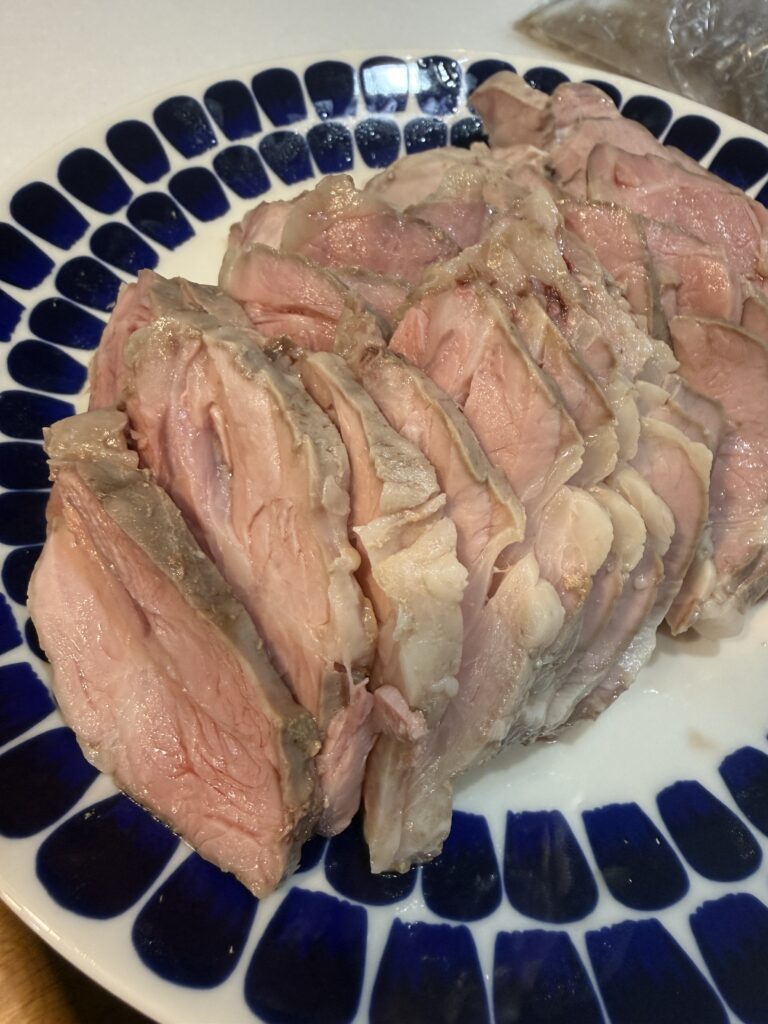
I do not recommend using pork belly for sous-vide cooking, especially if you plan to serve it cold. Pork belly contains high levels of fat that solidify and turn white when chilled, creating a heavy, greasy mouthfeel. Pork belly is better suited for high-heat grilling to render the fat, or slow simmering to remove excess grease.
For sous-vide cooking, pork loin or pork shoulder loin are much better choices. These cuts feature balanced marbling and tight fibers that soften under low heat, yielding a moist, tender texture when chilled.
5. Nutritional Value: How Sous-Vide Maximizes Vitamin and Protein Retention
Sous-vide cooking is also highly beneficial from a nutritional standpoint, particularly for active individuals.
Overcooking meat over high heat tightens the proteins, making them harder for digestive enzymes to break down, which can lead to indigestion. Gently heated sous-vide meat is easier to digest, allowing for efficient protein absorption.
Additionally, heat-sensitive vitamins—such as Vitamin B1 in pork—are preserved during low-temperature cooking, rather than being destroyed by high heat or washed away in cooking juices. Sous-vide cooking locks these nutrients inside the vacuum bag, delivering their full health benefits.
6. Nutritional Balance: Beef vs. Pork vs. Chicken Properties
Understanding the nutritional properties of beef, pork, and chicken helps you manage your diet effectively.
– Beef (Iron and L-Carnitine for Fat Burn and Energy):
Beef red meat is rich in heme iron and L-carnitine, which supports fat metabolism. Sous-vide cooking preserves these nutrients, supporting energy levels and metabolism.
– Pork (Vitamin B1 for Fatigue Recovery):
Pork is an excellent source of Vitamin B1, which helps convert carbohydrates into energy. Chilled sous-vide pork loin is a great recovery meal after training.
– Chicken (Low-Fat, High-Protein Diet Support):
Chicken breast is a staple for fitness enthusiasts. While boiling can make it dry and tasteless, sous-vide cooking keeps it moist and tender, making it easy to enjoy daily as a clean protein source.
7. Home Kitchen Safety: Crucial Temperature and Time Guidelines
To prepare sous-vide meat safely at home, you must follow food safety guidelines to prevent foodborne illness. While bacteria like Campylobacter and Salmonella are destroyed during low-temperature cooking, undercooking can allow them to multiply.
Food safety standards recommend heating the center of the meat to 63°C for 30 minutes, or an equivalent temperature-time combination. When preparing steak at 53°C at home, ensure you cook it for at least 1 hour depending on thickness to stabilize the center temperature, and sear the surface thoroughly over high heat afterward for surface pasteurization. Maintain clean equipment and store leftovers promptly in the refrigerator.
8. Kuro5’s Selection: High-Heat Charcoal Searing and Grilling Philosophy
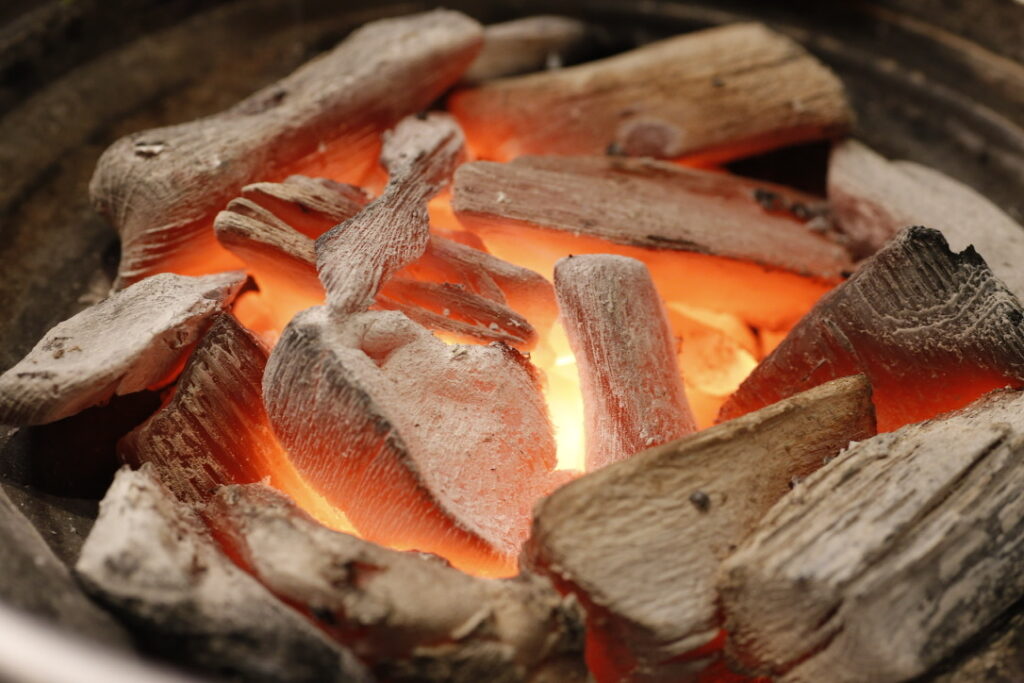
The importance of a seared exterior to lock in juices and add aroma defines our grilling philosophy at Kuro5.
When grilling fresh A5 Wagyu at your table, we use ultra-hot Binchotan charcoal to sear the surface instantly. This creates a caramelized crust and releases sweet Wagyu aromas, while the far-infrared radiation cooks the interior to a tender, juicy medium-rare.
Combining a tender center with a seared, aromatic crust is the key to our tableside grilling. We invite you to experience this balance at Kuro5.
9. Comparison Chart: Sous-Vide Methods for Beef, Pork, and Chicken
Sous-Vide Cooking Methods
1. Beef (Steak, Roast Beef):
- Settings & Cuts: 53°C for 1 hour. Red meat, loin, or harami.
- Key Step: Sear the surface quickly over high heat after cooking. The seared crust is essential for aroma and flavor.
2. Pork (Loin, Shoulder Loin):
- Settings & Cuts: 63°C for 3.5 hours (pork shoulder loin). 63°C is also ideal for loin cuts. (Avoid pork belly due to cold fat solidifying).
- Key Step: Chill in an ice bath immediately after cooking to stabilize juices and gelatin.
3. Chicken (Breast, Thigh):
- Settings & Cuts: 60°C for 1 hour (1.5 hours for thick block cuts). Breast, tender, or thigh.
- Key Step: Chill in an ice bath immediately after cooking to lock in moisture and produce a tender texture.
4. Fish and Eggs (63°C Magic Temperature Zone):
- Settings & Ingredients: Fish (mackerel or salmon fillets) at 63°C for 45 minutes to 1 hour. Eggs at 63°C for 45 minutes.
- Key Step: Enjoy fish with a soft, flaky texture. Serve eggs as a custardy, rich topping for meat cuts.
10. Conclusion: After Home Cooking, Experience Premium Charcoal-Seared Wagyu at Kuro5
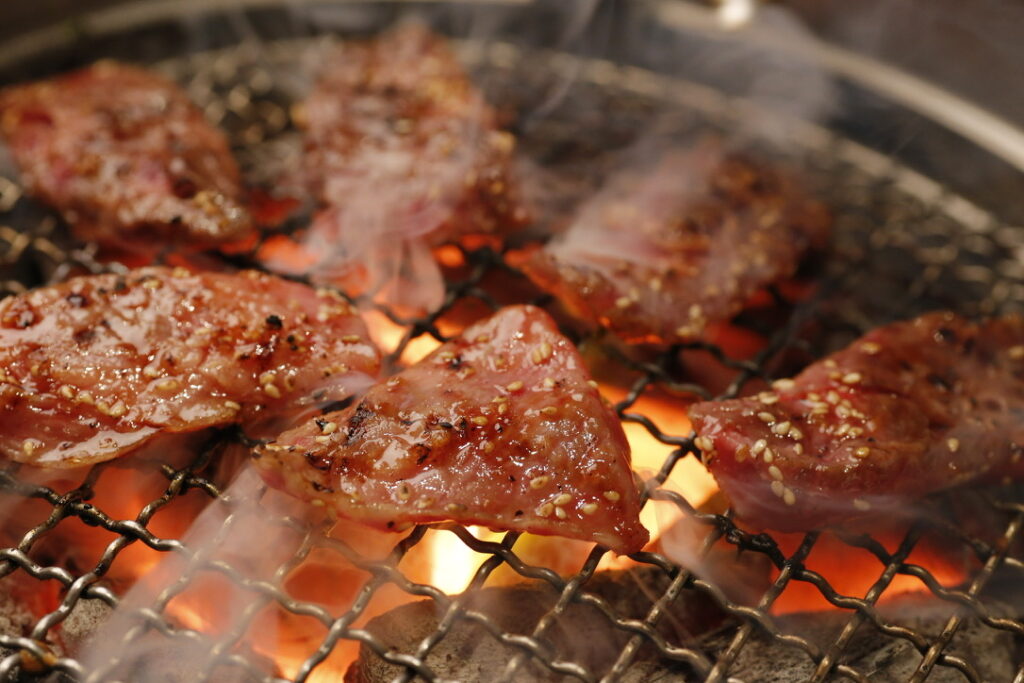
Each type of meat and ingredient requires a custom approach when cooking sous-vide, from beef’s 53°C sear to chicken’s 60°C settings, pork shoulder loin’s 63°C for 3.5 hours, and fish or eggs in the 63°C magic zone.
Understanding these details helps you prepare delicious, nutrient-rich meals at home.
When you want to enjoy a premium yakiniku experience featuring a seared exterior and a tender, juicy center, we invite you to visit Kuro5 Honten, Higashiguchi, or Kabukicho. Our staff will grill fresh A5 Wagyu for you over our ultra-hot Binchotan coals, allowing you to relax and enjoy the meal.
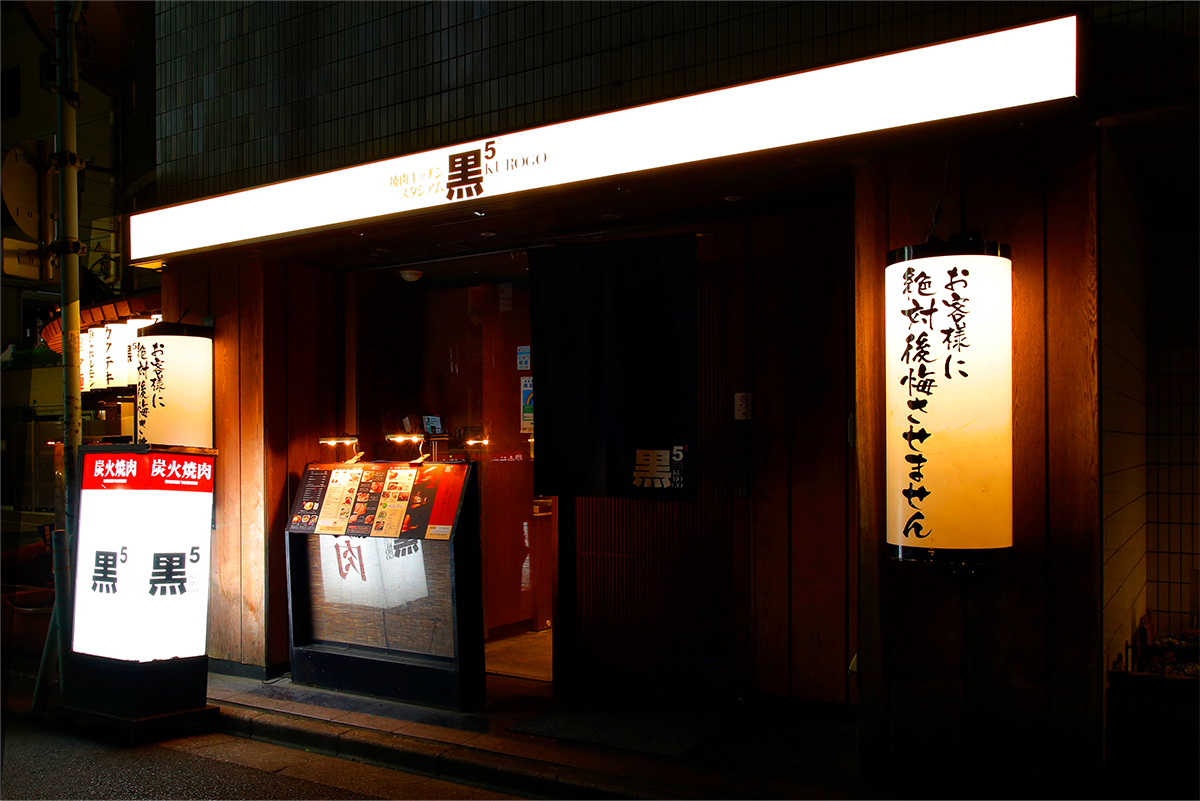
- Charcoal Yakiniku Kuro5 Honten
1F Nishi-Ikebukuro Bldg, 2-46-3 Nishi-Ikebukuro, Toshima-ku, Tokyo / 5 min walk from JR Ikebukuro Station - Charcoal Yakiniku Kuro5 Higashiguchi
1F Tsukiji Bldg, 1-42-16 Higashi-Ikebukuro, Toshima-ku, Tokyo / 3 min walk from JR Ikebukuro Station East Exit - Charcoal Yakiniku Kuro5 Kabukicho
1F Sankyo Akagawa Bldg, 2-21-4 Kabukicho, Shinjuku-ku, Tokyo

