

Table of Contents
- 1. Highly Rated by Chefs: The Rich Flavor Profiles of Domestic “Keisan-gyu”
- 2. The Ultimate Cut: Chateaubriand’s Refined Softness and Tenderness
- 3. Golden Temperature for Sous-Vide: 55°C for 1 Hour Yields Juiciness
- 4. Finishing Over Charcoal: The Synergy of Seared Aromas and Textures
- 5. Special Sauce 1: Kuro5 Tare with Butter and Gochujang! A Rich, Spicy Accent
- 6. Special Sauce 2: Chopped Kimchi with Butter! Sweet, Spicy, and Tangy
- 7. The Science of Butter: The Perfect Pairing of Lean Tenderloin and Dairy Fats
- 8. Professional Scoring and Cuts: Hand-Prep to Highlight Keisan-gyu Qualities
- 9. Comparison Chart: Keisan-gyu vs. Heifer Chateaubriand Properties
- 10. Conclusion: Enjoy Tableside Charcoal-Seared Premium Beef at Kuro5 Tonight
Hello everyone, this is Sondo from Kuro5.
In premium yakiniku dining and steak houses, the most prized steak cut is the tender, refined “Chateaubriand”—sourced from the center portion of the beef tenderloin (filet). Yielding only a few hundred grams per cow, this rare cut contains minimal fat while maintaining an exceptionally soft texture, representing the peak of lean beef. However, have you ever tasted a “Keisan-gyu Chateaubriand”?
Keisan-gyu refers to domestic cows that have given birth (calved). Historically, heifers (uncalved cows) were preferred for their high marbling, while Keisan-gyu was used primarily for processed beef. Today, however, beef professionals and top chefs are re-evaluating Keisan-gyu. Re-fattening calved cows with high-quality feed produces incredibly deep lean beef flavors and rich complexity that heifers cannot match. Today, I would like to share our recipe for domestic Keisan-gyu Chateaubriand cooked sous-vide at 55°C for 1 hour and finished over charcoal, paired with two custom butter sauces combining French and Korean culinary techniques.
1. Highly Rated by Chefs: The Rich Flavor Profiles of Domestic “Keisan-gyu”
Recently, Keisan-gyu has gained recognition among meat professionals for its rich flavor profile.
While heifers offer a clean, delicate fat sweetness, calved cows that have been raised over several years accumulate high levels of amino acids and iron in their muscle tissues, creating a robust beef flavor. Keisan-gyu presents a deep, mature flavor profile rather than just simple fat sweetness. This rich complexity is why many beef enthusiasts and chefs prefer Keisan-gyu for lean dishes.
2. The Ultimate Cut: Chateaubriand’s Refined Softness and Tenderness
To highlight the qualities of Keisan-gyu, we select the absolute peak of lean beef: Chateaubriand.
Beef tenderloin is the least worked muscle in the cow, meaning it remains tender even with minimal fat. Slicing the thickest center section yields Chateaubriand, which offers a silky texture that cuts easily. Combining Keisan-gyu’s deep beef flavors with Chateaubriand’s tender texture yields an excellent steak cut.
3. Golden Temperature for Sous-Vide: 55°C for 1 Hour Yields Juiciness
To cook this premium Keisan-gyu Chateaubriand without losing its moisture, sous-vide cooking is the ideal method.
My recommended setting for Chateaubriand is 55°C for 1 hour.
Because tenderloin contains minimal fat and dense protein fibers, cooking it quickly over high heat can dry it out. The 55°C setting softens the fibers gently while locking the internal juices (myoglobin) within the cut, producing a uniform pink rare to medium-rare texture from edge to edge after 1 hour.
4. Finishing Over Charcoal: The Synergy of Seared Aromas and Textures
While sous-vide cooking leaves the Chateaubriand tender, the steak is not complete without a seared crust. The final step is to sear the cut quickly over charcoal.
Remove the beef from the vacuum bag, pat the surface dry, and place it on our hot charcoal grill grates. Charcoal’s intense radiation heat and zero-moisture cooking sear the surface instantly, creating a caramelized crust (Maillard reaction) and releasing warm, seared aromas.
Combining the moist, tender interior from sous-vide cooking with the seared, smoky exterior from charcoal grilling yields a perfect Chateaubriand steak.
5. Special Sauce 1: Kuro5 Tare with Butter and Gochujang! A Rich, Spicy Accent
To accompany this seared Chateaubriand, I have developed two special butter sauces that combine French culinary techniques with Korean spices.
The first is our Kuro5 Tare with Butter and Gochujang.
Our signature Kuro5 Tare is a soy-based sauce sweetened with raw sugar and fresh apple juice. Melting premium unsalted butter into this sauce and adding Korean gochujang (chili paste) produces a rich, sweet, and spicy sauce. The creamy richness of the butter coordinates with the sweet heat of the gochujang, complementing the deep flavors of Keisan-gyu.
6. Special Sauce 2: Chopped Kimchi with Butter! Sweet, Spicy, and Tangy
The second sauce adds a crunchy texture and tangy profile: Chopped Kimchi with Butter.
We melt butter in a pan until it turns slightly golden (brown butter style), then add finely chopped fermented kimchi. The richness of the butter balances the tangy heat of the kimchi, creating a smooth yet refreshing sauce. The crunchy kimchi provides a pleasing contrast to the silky texture of the Chateaubriand, keeping the palate refreshed.
7. The Science of Butter: The Perfect Pairing of Lean Tenderloin and Dairy Fats
Why pair butter with a lean tenderloin cut?
Chateaubriand is a lean cut with minimal fat. While it offers a clean, elegant flavor, it lacks the rich fat sweetness of marbled ribs. Western culinary tradition often pairs butter (such as Café de Paris butter) with beef tenderloin to add rich dairy fats. The creamy butter coating coordinates with the deep flavors of Keisan-gyu, while the sweet heat of gochujang or the acidity of kimchi prevents the sauce from feeling heavy.
8. Professional Scoring and Cuts: Hand-Prep to Highlight Keisan-gyu Qualities
While Keisan-gyu Chateaubriand is an excellent cut, it requires careful butchering. Because calved cows have tighter muscle fibers, hand-scoring is essential to ensure a tender bite.
At Kuro5, our chefs score the surface of the tenderloin cut before cooking, allowing the low-temperature heat to penetrate the fibers evenly. We slice the cut to a specific thickness to ensure the center remains rare during the final charcoal sear.
9. Comparison Chart: Keisan-gyu vs. Heifer Chateaubriand Properties
Keisan-gyu vs. Heifer Chateaubriand
1. Flavor Profile and Red Meat Depth:
- Heifer Tenderloin: Delicate, clean fat sweetness and a light, tender bite.
- Keisan-gyu Tenderloin: High concentration of amino acids from years of raising, yielding a deep, mature beef flavor.
2. Ideal Cooking Method:
- Heifer Tenderloin: Searing directly over high heat to highlight its soft marbling.
- Keisan-gyu Tenderloin: Sous-vide cooking at 55°C for 1 hour to soften the tight fibers, followed by a rapid charcoal sear.
3. Seasoning and Butter Pairings:
- Heifer Tenderloin: Simple sea salt and fresh wasabi to highlight the delicate beef flavors.
- Keisan-gyu Tenderloin: Rich butter-based sauces like Kuro5 Tare with Gochujang or Chopped Kimchi Butter to complement the robust red meat.
10. Conclusion: Enjoy Tableside Charcoal-Seared Premium Beef at Kuro5 Tonight
The flavor profile of Keisan-gyu Chateaubriand is highlighted by sous-vide cooking, charcoal searing, and custom butter sauces.
While preparing this recipe at home is a creative culinary process, we invite you to dine with us at Kuro5 when you want to enjoy premium beef without the preparation.
At Kuro5, we source fresh A5 Wagyu, prepare each cut by hand, and grill it tableside over ultra-hot Binchotan coals. We invite you to visit Kuro5 Honten, Higashiguchi, or Kabukicho tonight to enjoy our signature cuts and hospitality.
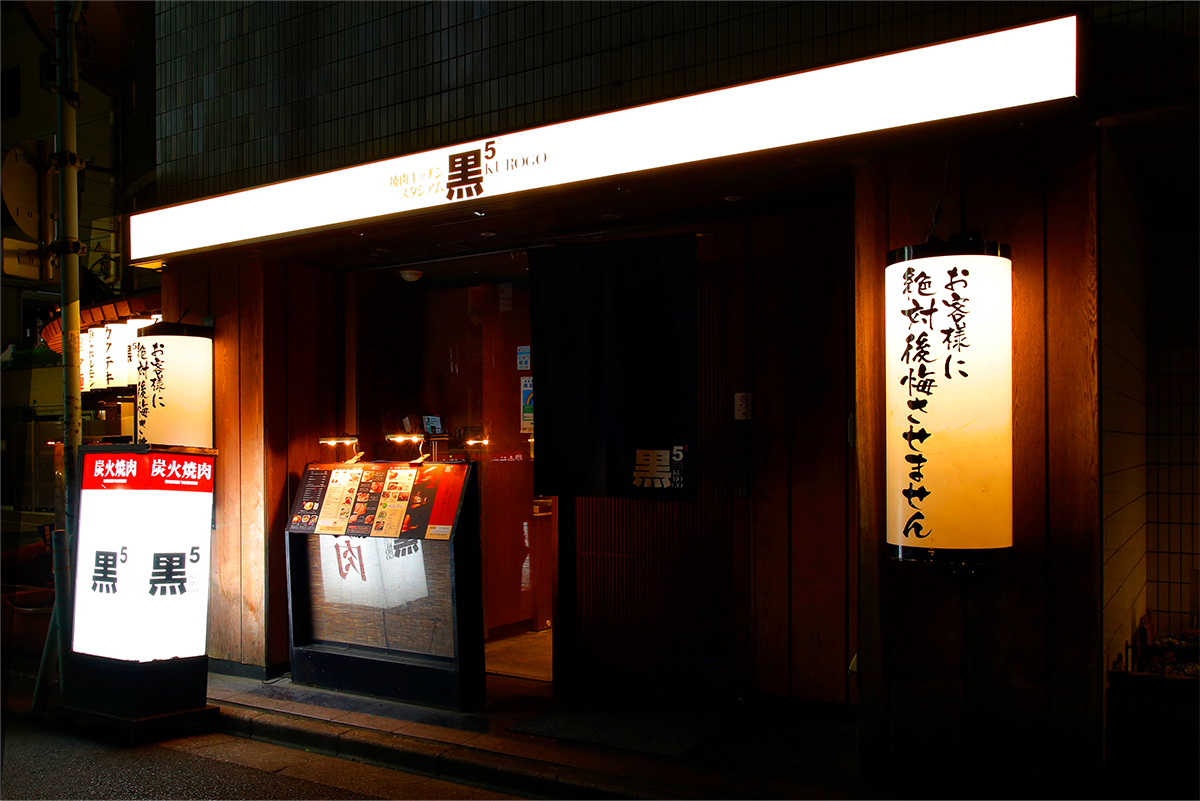
- Charcoal Yakiniku Kuro5 Honten
1F Nishi-Ikebukuro Bldg, 2-46-3 Nishi-Ikebukuro, Toshima-ku, Tokyo / 5 min walk from JR Ikebukuro Station - Charcoal Yakiniku Kuro5 Higashiguchi
1F Tsukiji Bldg, 1-42-16 Higashi-Ikebukuro, Toshima-ku, Tokyo / 3 min walk from JR Ikebukuro Station East Exit - Charcoal Yakiniku Kuro5 Kabukicho
1F Sankyo Akagawa Bldg, 2-21-4 Kabukicho, Shinjuku-ku, Tokyo

