


Table of Contents
- 1. The Perfect Dish for Those Who Love Meat Without the Heavy Feeling
- 2. Unmatched Cost Performance: Why Wagyu Beef Tendon Is the Ultimate Superfood
- 3. STAUB Cast Iron & Pot Hat: The Culinary Science of Melt-in-Your-Mouth Tenderness
- 4. The Secret to Healthy Flavor: Complete Fat Removal by Chilling and Skimming
- 5. [Today’s Master Recipe] Savory Wagyu Beef Tendon & Vegetable Oyster Yakisoba
- 6. Fueling an Athletic Son: Nutritional Synergy of High Protein, Collagen & Low-GI
- 7. 3 Key Advantages of Cooking with Beef Tendon at Home
- 8. Upcoming Recipe Series: Sondo’s Creative Wagyu Tendon Cuisine
- 9. Respect for Ingredients: The Artisan Spirit Behind Kuro5 Yakiniku
- 10. Summary & Wagyu Yakiniku Kuro5 Restaurant Information
Hello everyone, I am Sondo from Kuro5.
1. The Perfect Dish for Those Who Love Meat Without the Heavy Feeling
“I want to serve my family hearty meat dishes, but I worry about heavy grease and calories.” “I want to support my growing child’s athletic training with high-quality nutrients, but keeping food costs down is also essential.”
These are common challenges shared by many parents when planning everyday home meals.
In my daily professional life, I work in the kitchen of Wagyu Yakiniku Kuro5 in Tokyo, preparing top-tier Kuroge Wagyu and grilling it to perfection right in front of our guests. But once I return home, I am also a devoted father supporting an active, sports-loving teenage son who exercises intensely every day.
Athletic young bodies require exceptional protein, clean energy, and joint-protecting nutrients. However, fatty commercial cuts can burden digestion and slow down recovery. That is why one particular ingredient has become an irreplaceable staple in our home kitchen: Kuroge Wagyu Beef Tendon (Gyusuji).
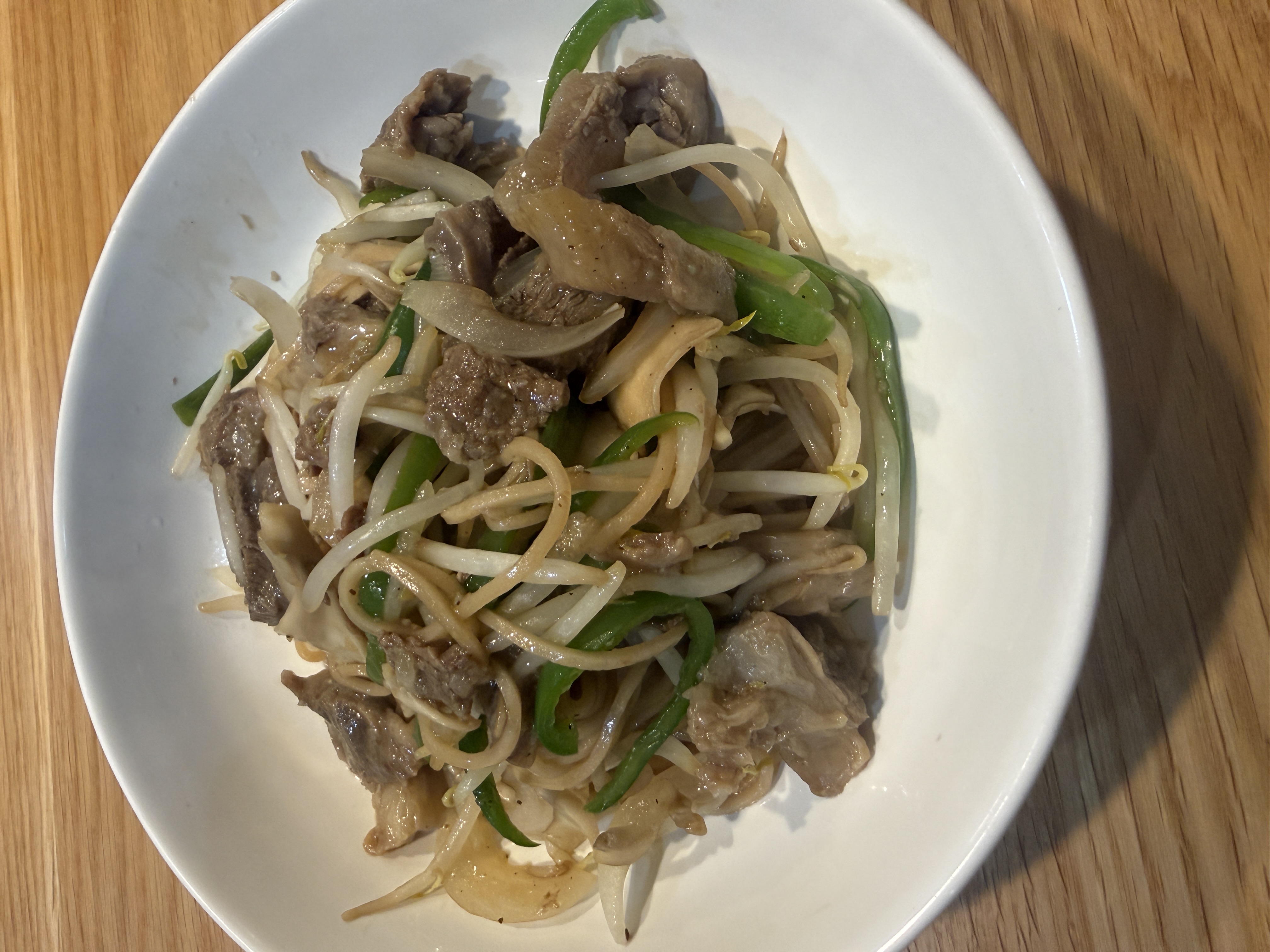
Today, I will reveal our professional technique for tenderizing and completely defatting Wagyu tendon, along with a full master recipe for Savory Wagyu Beef Tendon & Vegetable Oyster Yakisoba with Gluten-Free Brown Rice Noodles.
2. Unmatched Cost Performance: Why Wagyu Beef Tendon Is the Ultimate Superfood
Many people associate beef tendon with izakaya-style stewed gyusuji nikomi or winter oden pots. Some might even avoid it, thinking it is too tough to prepare or excessively fatty.
From the perspective of a Wagyu specialist, however, beef tendon is one of the most underrated treasures in the entire culinary world.
First and foremost, it offers incredible affordability. Even with prized Japanese Black Wagyu (Kuroge Wagyu), tendon cuts sell at a fraction of the cost of popular cuts like ribeye, striploin, or harami, making it wonderfully budget-friendly for family meals.
Second, when properly prepared, it transforms into a high-protein, ultra-low-fat, collagen-packed nutritional powerhouse. The signature gelatinous texture of beef tendon comes from pure connective collagen fibers, not fat. Once you strip away surface tallow through meticulous parboiling and chilling, what remains is an exceptionally clean, amino acid-dense superfood.
3. STAUB Cast Iron & Pot Hat: The Culinary Science of Melt-in-Your-Mouth Tenderness
The key to unlocking the melt-in-your-mouth magic of beef tendon lies in careful parboiling and thermal management. If rushed under high heat, the muscle fibers contract violently, expelling moisture and turning dry and tough.
At home, I rely on a heavy enamelled cast iron STAUB cocotte combined with an insulated thermal fabric cover known as a “Pot Hat” (Nabe-boushi).
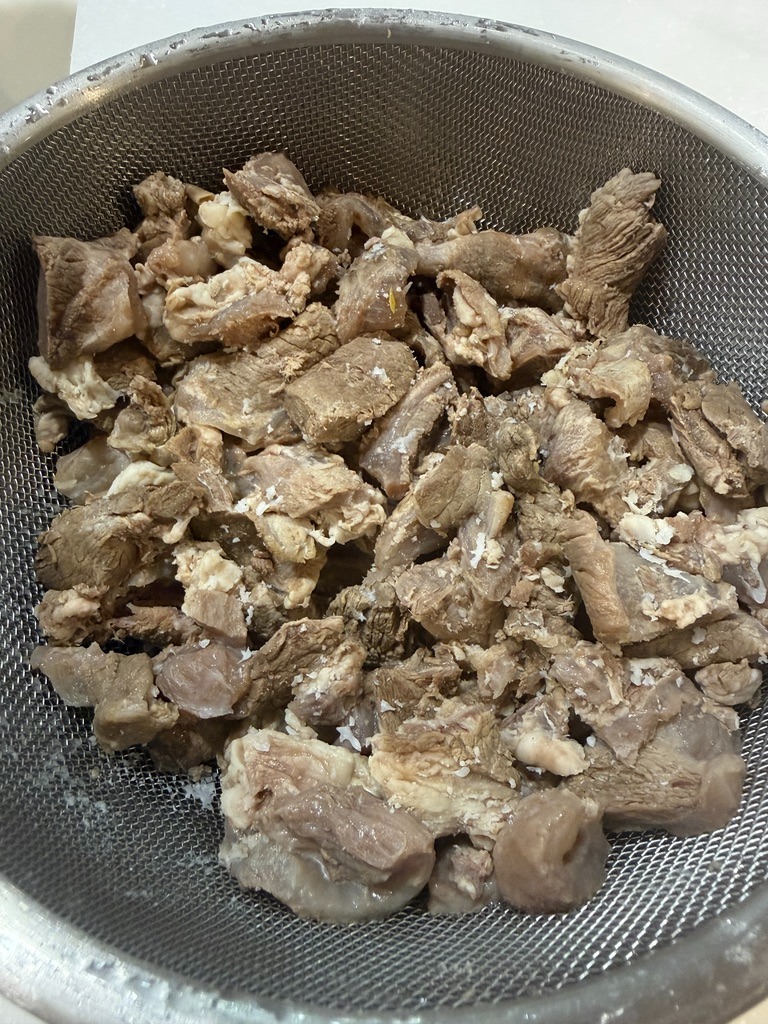
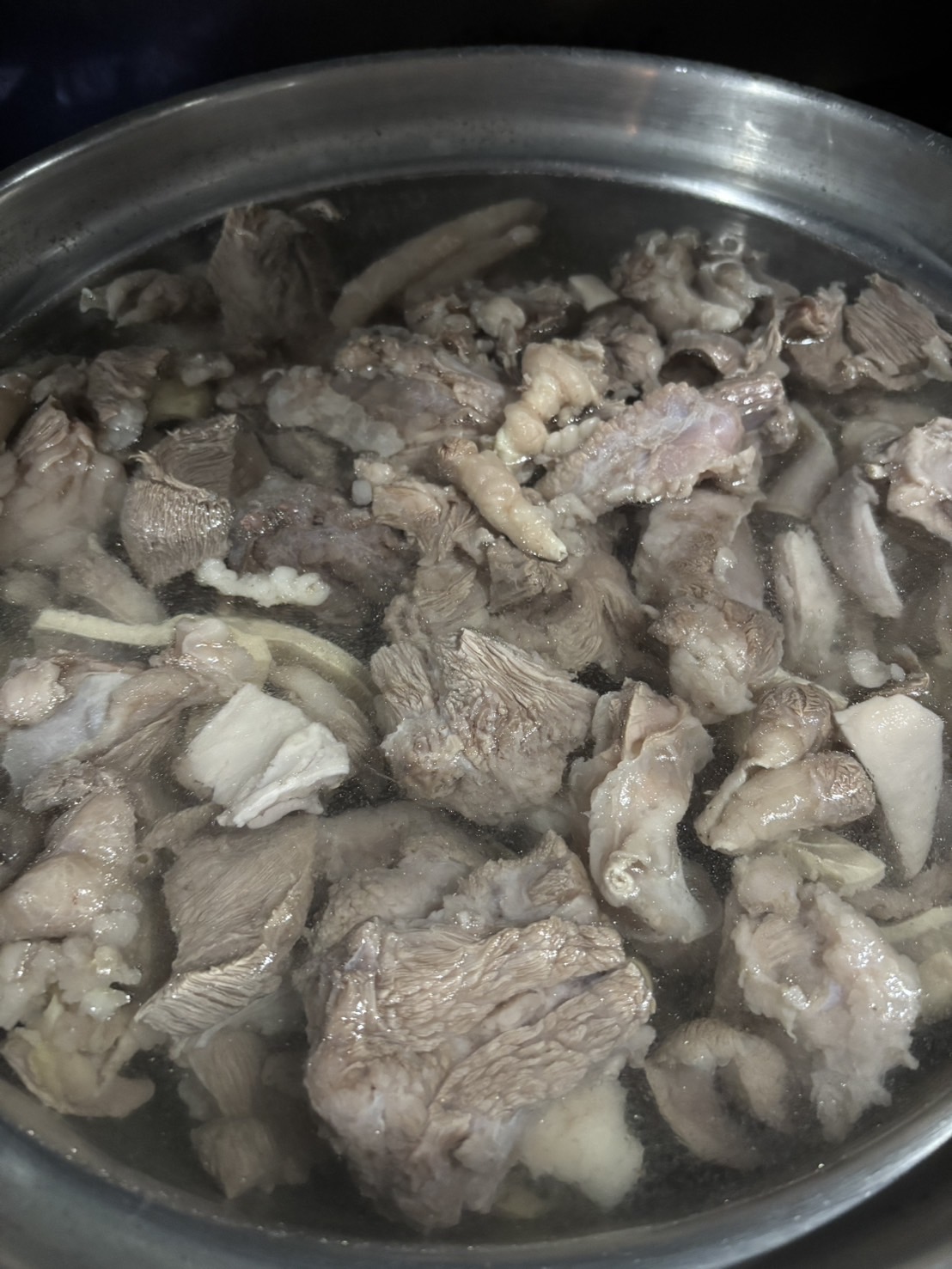
The photo above shows the beef tendon immediately after the initial parboiling step, thoroughly rinsed under cold running water. Impurities, excess scum, and surface grease have been completely washed away.
[Sondo’s Step-by-Step Tendon Preparation]
- Step 1: Initial Parboiling and Skimming
Place raw tendon in a large pot filled with cold water. Bring to a boil over medium heat, skim off all floating froth and scum, and boil gently for several minutes. - Step 2: Cold Water Rinse and Trimming
Transfer tendon to a colander and rinse thoroughly under running water to eliminate all coagulated residue. Trim away any excess connective gristle if necessary. - Step 3: Simmer in STAUB & Rest in Pot Hat for 3 Hours
Return the cleaned tendon to the STAUB pot, submerge with fresh water, and bring to a boil. Cover with the heavy lid, turn off the heat, and immediately wrap the pot inside an insulated “Pot Hat”. Let it rest in gentle thermal retention for approximately 3 hours. - Step 4: Reboil and Rest for Another 3 Hours
Remove the cover, bring the liquid back to a rolling boil, cover once again, and return to the thermal hat for a second 3-hour slow-cooking rest.
Resting twice for 3 hours may sound remarkably meticulous. Yet there is clear food science behind this method: bovine collagen gelatinizes most effectively between 75°C and 85°C. By leveraging STAUB’s outstanding heat retention and insulated thermal cooking, the pot maintains this ideal temperature zone without scorching or boiling away moisture.
If you do not own an insulated thermal hat, simply simmer the pot gently over low heat for 2 to 3 hours. As long as you avoid aggressive rolling boils, your tendon will become delightfully tender and succulent.
4. The Secret to Healthy Flavor: Complete Fat Removal by Chilling and Skimming
Once the tendon is tender, we execute the crucial step that guarantees pure, clean flavor and ultra-low calorie density.
Separate the cooked tendon pieces from the cooking broth. Allow the liquid to cool, then chill it thoroughly in the refrigerator overnight or for several hours.
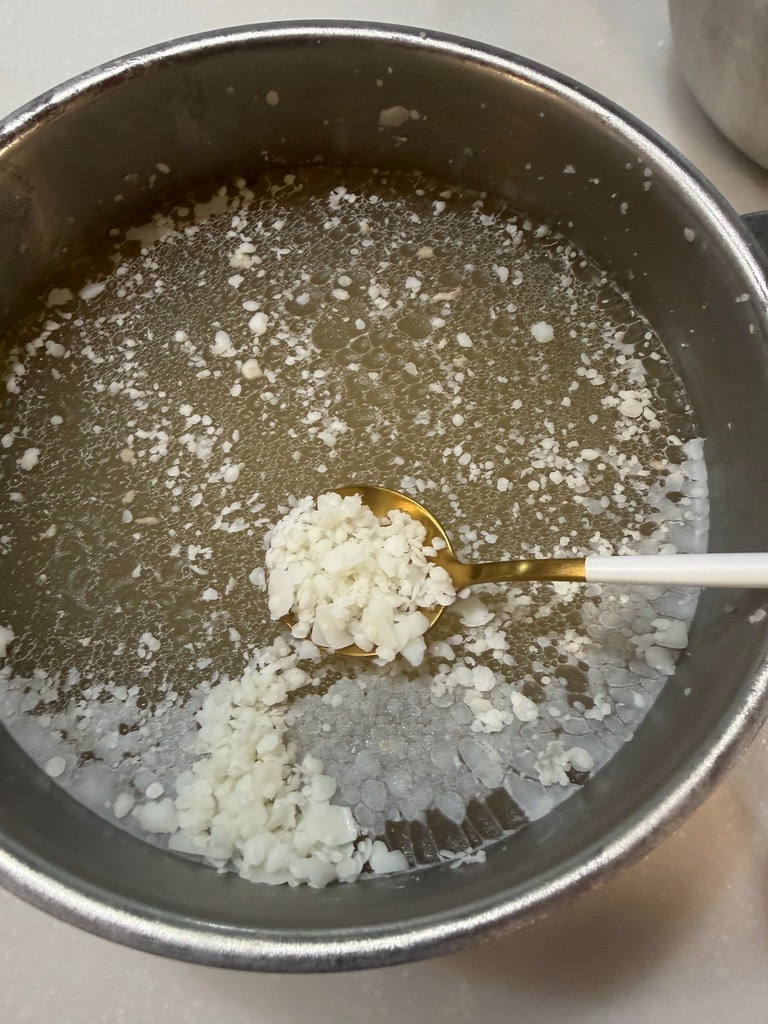
As shown above, cold temperatures cause all rendered beef tallow (fat) to float to the surface and harden into an opaque white layer.
Using a spoon, gently scoop up and discard every trace of this solid white fat.
By discarding this fat completely, you eliminate almost all heavy lipids. What remains beneath is a sparkling, amber-tinted collagen broth that sets into a rich natural gelatin when chilled. This liquid gold can be saved in the fridge or freezer to create deeply savory soups, stews, or bone broth curries on another day.
(Note: Today’s stir-fried yakisoba does not use this broth, meaning all savory depth comes directly from the tender meat, vegetables, and seasoning!)
5. [Today’s Master Recipe] Savory Wagyu Beef Tendon & Vegetable Oyster Yakisoba
Now, let us bring our defatted, collagen-rich Kuroge Wagyu tendon to center stage with our household favorite: Oyster-Stir-Fried Yakisoba with Brown Rice Noodles.
[Ingredients for 2-3 Servings]
- Prepared Wagyu beef tendon: 200g-250g (cut into bite-sized morsels)
- Brown rice noodles (or your preferred yakisoba noodles): 2 portions
- Onion: 1/2 (thinly sliced)
- Bean sprouts: 1 pack (approx. 200g)
- Green bell peppers: 2-3 (julienned)
- Garlic chives (Nira): 1/2 bunch (cut into 5cm segments)
- Mushrooms (Maitake or Shimeji): 1 pack (separated)
- Grated ginger & garlic: 1 tsp each
- Salt and black pepper: to taste
- Oyster sauce: 2 tbsp
- Soy sauce & sake: 1 tbsp each
- Sesame oil (or olive oil): 1 tsp
[Step-by-Step Cooking Instructions]
Step ①: Sear the Tendon First for Aromatic Depth
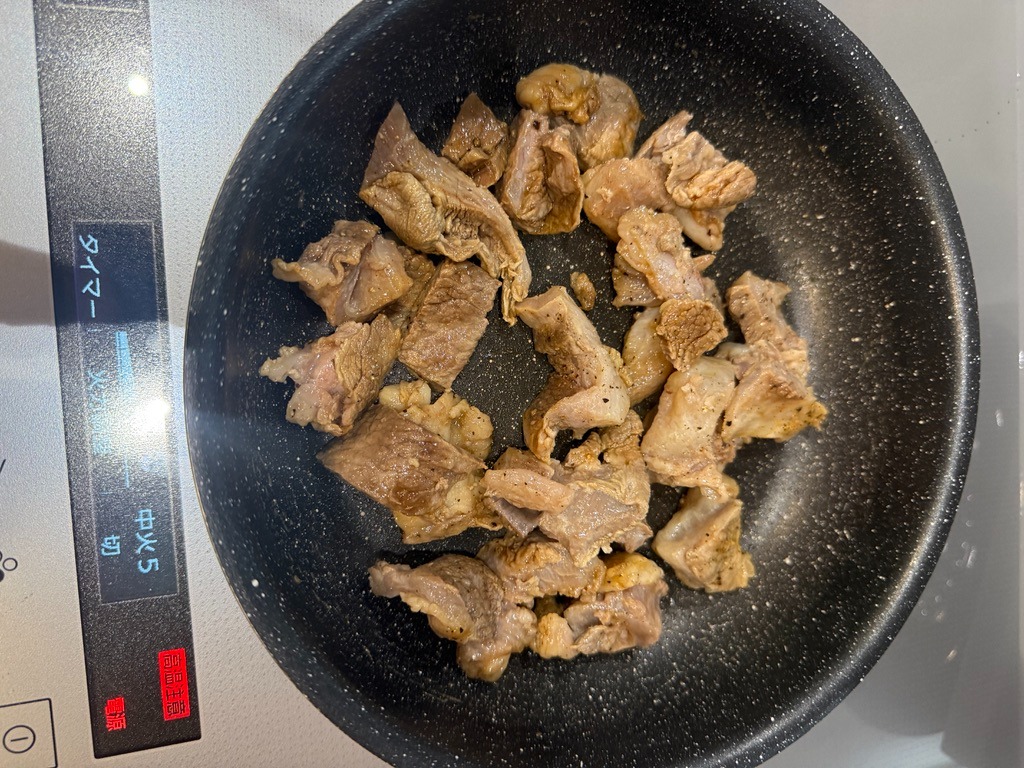
Heat a splash of oil in a skillet and add the prepared beef tendon. Lightly season with salt and freshly cracked black pepper, sautéing over medium heat. Searing the exterior creates savory Maillard browning, releasing irresistible aromas.
Step ②: Sauté Generous Vegetables and Aromatics
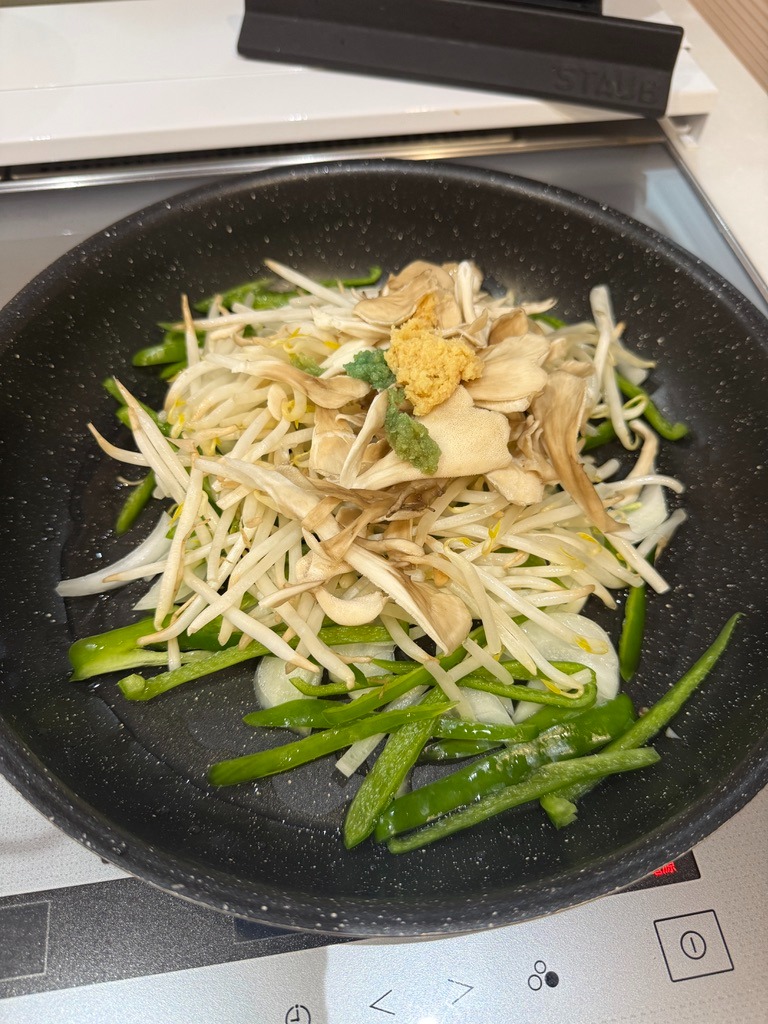
Toss in sliced onions, bell peppers, bean sprouts, maitake mushrooms, and grated ginger. Sauté vigorously over high heat to keep the vegetables crisp and fragrant while retaining their natural juices.
Step ③: Combine and Glaze with Rich Oyster Sauce
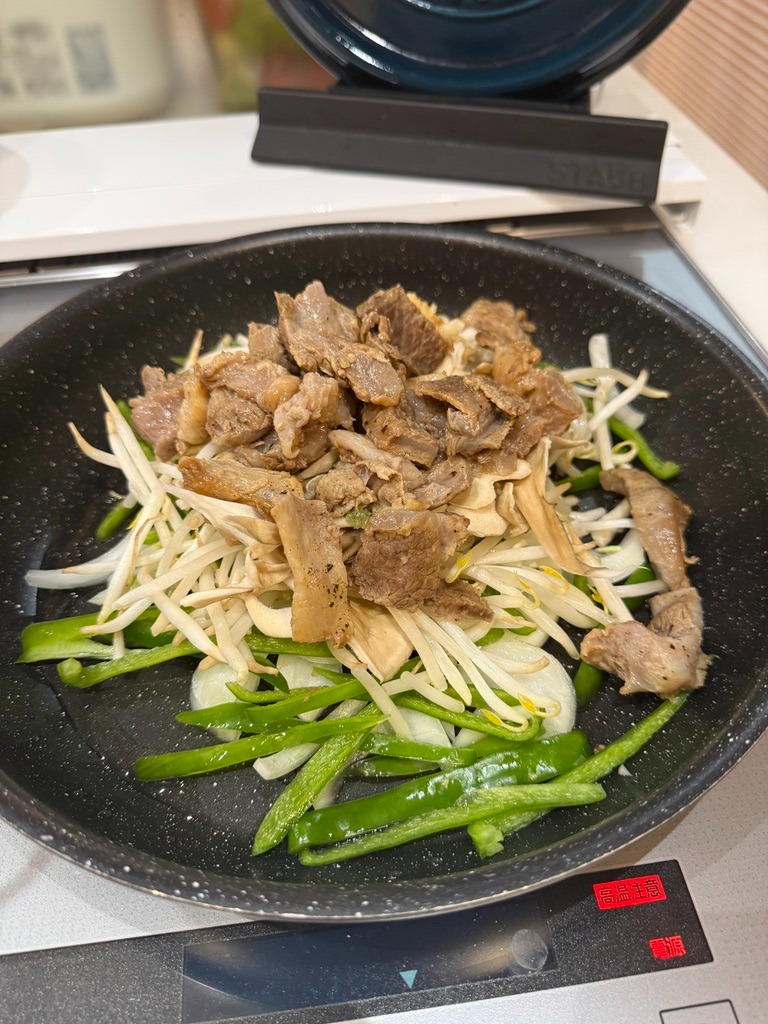
Bring the seared tendon and vegetables together in the skillet. Drizzle oyster sauce, soy sauce, and sake over the ingredients, tossing rapidly so the umami glaze coats every piece. The rich savory sweetness of oyster sauce pairs harmoniously with the unctuous texture of Wagyu tendon.
Step ④: Toss with Brown Rice Noodles and Serve
Finally, incorporate cooked brown rice noodles and fresh garlic chives, tossing over heat for one minute until glossy and integrated. Brown rice noodles provide a satisfying, springy bite without feeling heavy or causing blood sugar spikes.
6. Fueling an Athletic Son: Nutritional Synergy of High Protein, Collagen & Low-GI
Whenever I serve this dish, my son devours every strand, exclaiming: “The meat is so tender and bouncy, and I never feel bloated afterwards!”
As both a chef and a parent, I know this meal provides ideal athletic nutrition across three key dimensions:
- Joint & Muscle Protection: Defatted tendon provides pure collagen peptides, glycine, and proline, strengthening connective tissues, tendons, and cartilage stressed during sports.
- Enhanced Collagen Synthesis & Recovery: Bell peppers and bean sprouts provide abundant vitamin C to stimulate internal collagen absorption, while allicin in chives and onions accelerates vitamin B absorption for stamina recovery.
- Sustained Stamina via Low-GI Carbohydrates: Unlike refined wheat noodles, brown rice noodles are rich in dietary fiber, magnesium, and zinc, releasing steady glucose into muscles without sudden insulin spikes.
7. 3 Key Advantages of Cooking with Beef Tendon at Home
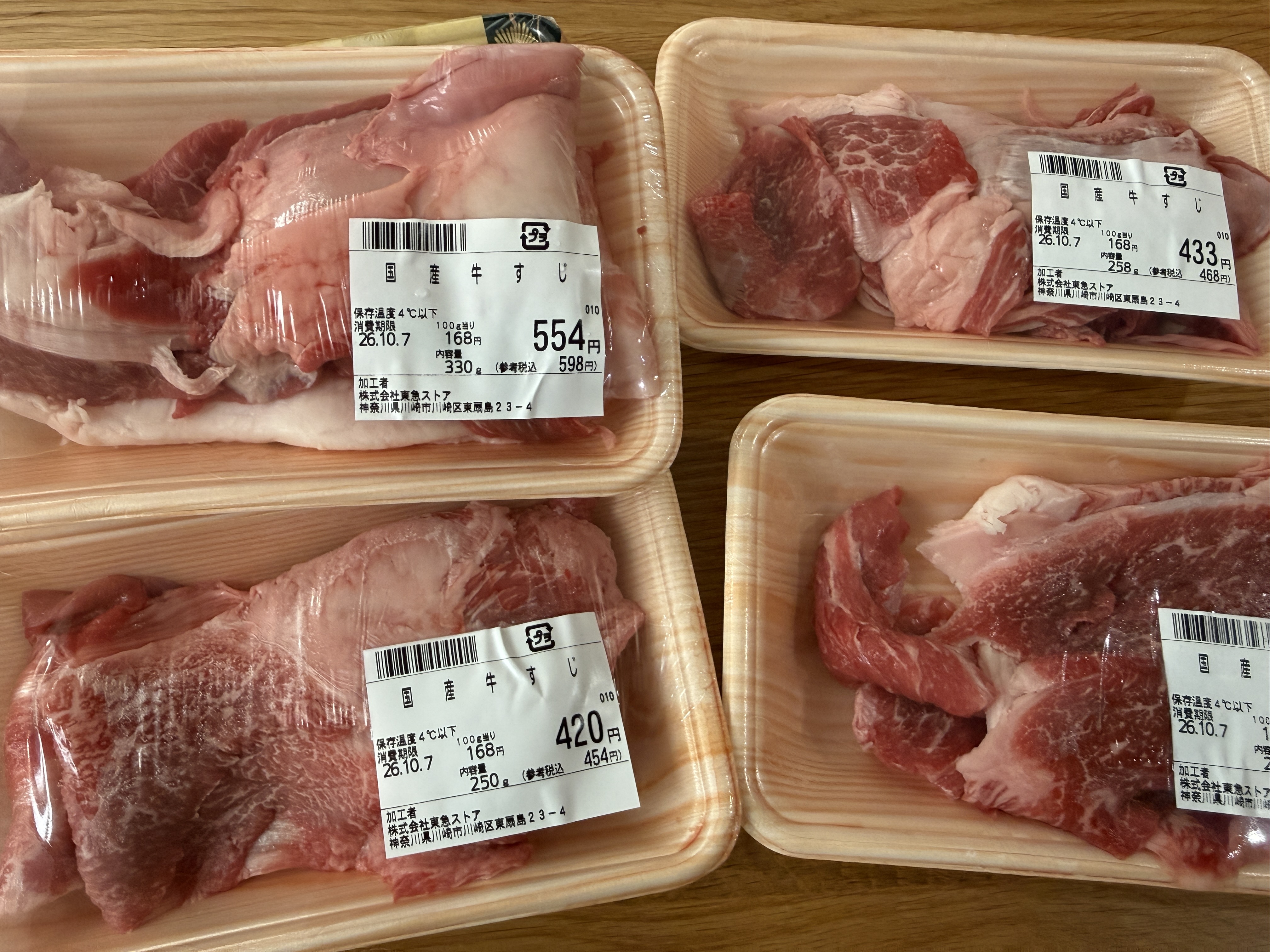
- Advantage 1: Restaurant-Grade Wagyu Umami at a Modest Price
As shown above, fresh domestic beef tendon can be purchased for around 168 yen per 100g at local supermarkets. Enjoy authentic Kuroge Wagyu depth on an everyday family budget. - Advantage 2: Ultra-Low Calorie Density via Cold Fat Skimming
Eliminating solid tallow creates a guilt-free dish suitable for dieters and athletes alike. - Advantage 3: Two Culinary Treasures from One Cooking Session
Gain tender protein for stir-fries and a gelatinous bone broth base for tomorrow’s soups.
8. Upcoming Recipe Series: Sondo’s Creative Wagyu Tendon Cuisine
This oyster yakisoba is only the beginning of our home tendon repertoire. Moving forward, I will be launching an ongoing series on this blog sharing diverse, approachable Wagyu tendon recipes—from zero-additive beef tendon curries to nourishing Korean-style gukbap soups. Stay tuned for future editions!
9. Respect for Ingredients: The Artisan Spirit Behind Kuro5 Yakiniku
Parboiling, simmering, resting in thermal hats, and patiently skimming cold fat may require time. But dedicating genuine care to natural ingredients is the foundation of nourishing cuisine.
This exact philosophy defines every service at Wagyu Yakiniku Kuro5. We carefully source never-frozen A5 Kuroge Wagyu, trim excess fat with surgical precision, and personally grill each cut at your table to achieve the ultimate sensory experience.
10. Summary & Wagyu Yakiniku Kuro5 Restaurant Information
Whenever you crave the pinnacle of charcoal-grilled Kuroge Wagyu prepared by passionate artisans, we warmly invite you to visit Kuro5 in Tokyo.
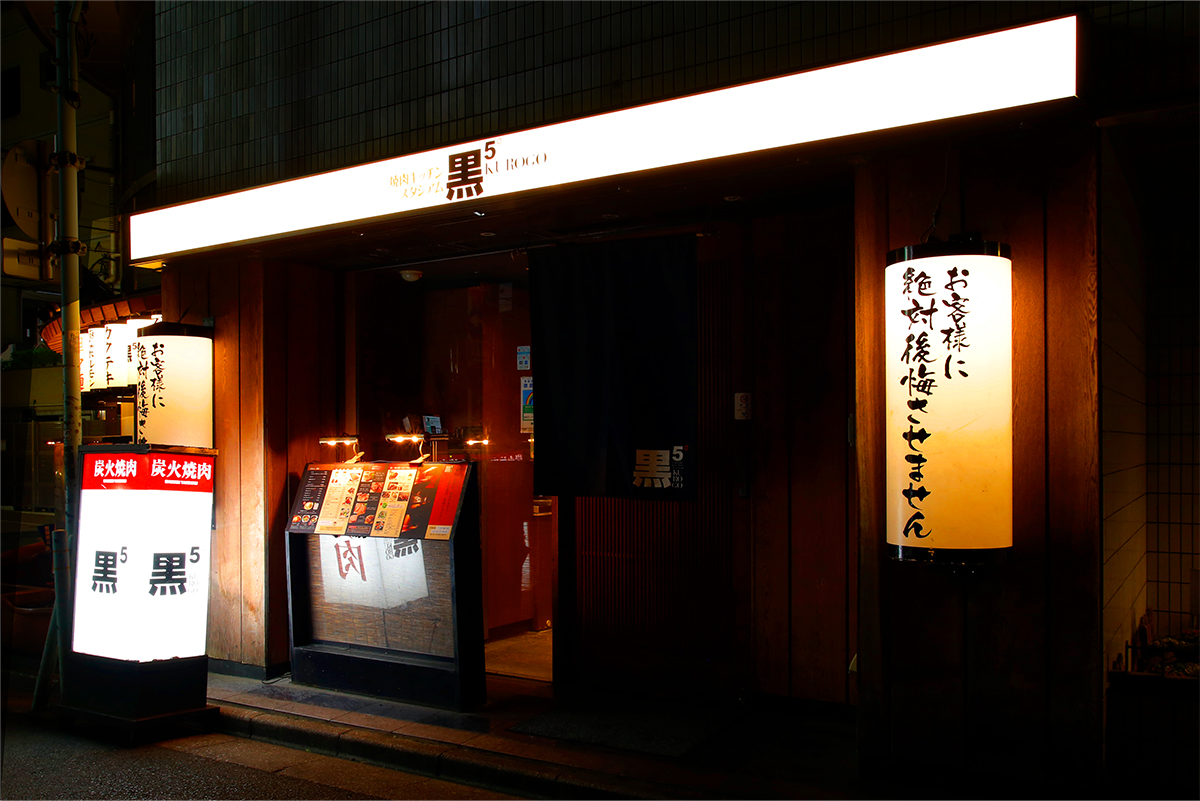
Wagyu Yakiniku Kuro5 Store Information
- [Kuro5 Ikebukuro Main Branch]
Address: TWiN bldg 1F, 2-46-1 Ikebukuro, Toshima-ku, Tokyo
Access: 3-min walk from JR/Subway Ikebukuro Station (West/North Exit)
Hours: 17:00 – 24:00 (L.O. 23:00)
TEL: 03-3986-9655 - [Kuro5 Ikebukuro East Branch]
Address: Higashiike Bldg 1F, 1-42-16 Higashi-Ikebukuro, Toshima-ku, Tokyo
Access: 3-min walk from JR/Subway Ikebukuro Station (East Exit)
Hours: 17:00 – 24:00 (L.O. 23:00)
TEL: 03-5950-6555 - [Kuro5 Kabukicho Branch]
Address: Shinjuku Dai-3 Toko Bldg 1F, 1-6-13 Kabukicho, Shinjuku-ku, Tokyo
Access: 5-min walk from JR Shinjuku Station (East Exit) / 3-min walk from Seibu Shinjuku Station
Hours: 18:00 – 05:00 next morning (L.O. 04:00)
TEL: 03-6205-9655

