
Ikebukuro after work. Walking through the neon lit streets, the savory aroma of charcoal and sauce drifts from out of nowhere. Do you ever get that sudden urge, “Today, I just want to feast on bursting fatty horumon and beer!”?

While classic lean meats like kalbi and rosu are appealing, the true essence of yakiniku, a profound world that makes connoisseurs groan with delight, expands in “horumon” (offal). Each cut has completely different textures and flavors, and the entertainment value where the taste changes dramatically depending on the griller’s skill is immense. The more you know about horumon, the more interesting the dining experience of yakiniku becomes.
This time, to fully enjoy premium horumon in the highly competitive area of Ikebukuro, we will thoroughly explain the individuality of each cut and the “secrets of correct grilling” to maximize their deliciousness. Let us guide you to the deep world of horumon that will make you look forward to your next yakiniku dinner.
Ikebukuro is a Hidden Mecca of Yakiniku and Horumon Culture
In Ikebukuro, one of Tokyo’s premier entertainment districts, countless yakiniku restaurants are crowded together. Actually, the roots of Ikebukuro’s yakiniku culture date back to the chaotic post war era.

Ikebukuro, which developed rapidly around post war black markets, was a vibrant town where laborers, students, and merchants mingled. At that time, “horumon yaki” gained support as a cheap yet highly nutritious and stamina boosting meal. Back then, regular meat (lean meat) was still a luxury item. The culture of devising ways to eat horumon deliciously became deeply rooted in this town.
Decades have passed since then, and yakiniku in Ikebukuro has evolved into one of Japan’s leading “yakiniku battlegrounds” where diverse styles coexist, from high end routes to popular local joints, and new generation restaurants offering carefully selected Wagyu horumon. Because it is Ikebukuro, where history and passion intersect, you can encounter truly delicious horumon.
Impress Yakiniku Connoisseurs! 3 Must Order Horumon Cuts
Even though we simply say horumon, there are various parts inside a cow, and each has its own unique personality. Here, we introduce three representative and profound cuts that you must try when visiting a yakiniku restaurant.
Shimacho (Large Intestine): The Golden Ratio of Fat Sweetness and Texture

The classic choice for Wagyu horumon, and one of the cuts with the most repeat customers, is “Shimacho.” It is the cow’s large intestine and is also called “Tetchan” in Korean. The striped muscle fibers on its surface are the origin of its name.
The charm of Shimacho is, above all, the contrast between the “pleasant crunchy texture” and the “juicy, rich sweetness of the fat.” Fresh Shimacho has a beautiful pink color and is loaded with premium fat. However, since the large intestine is close to the excretory organs, it is also a cut where no deception is possible, requiring careful washing during the prep stage and the craftsman’s skill to leave absolutely no smell.
Marucho (Small Intestine): A Fat Bomb Bursting in Your Mouth
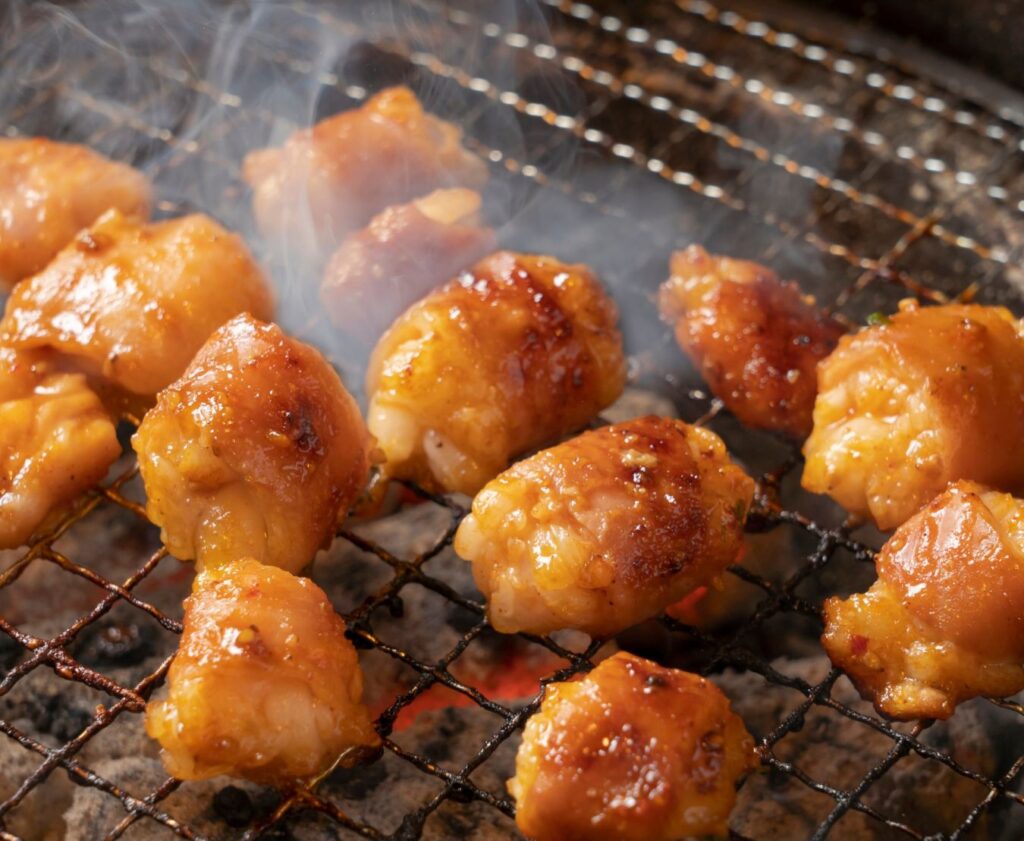
Dividing popularity alongside Shimacho is “Marucho,” which corresponds to the cow’s small intestine. It is characterized by being packed with plenty of fat inside a thinner, softer skin than Shimacho.
The overwhelming appeal of Marucho is the intense umami like a “fat bomb” that swells to the bursting point when heated and bursts open filling your mouth the moment you bite into it. Because it is often served turned inside out while still in a tubular shape, the fat does not escape outside, allowing you to directly enjoy the rich flavor. If you are looking for rich umami, there is no cut that beats this.
Jo Mino (First Stomach): Crunchy Texture and Elegant Taste
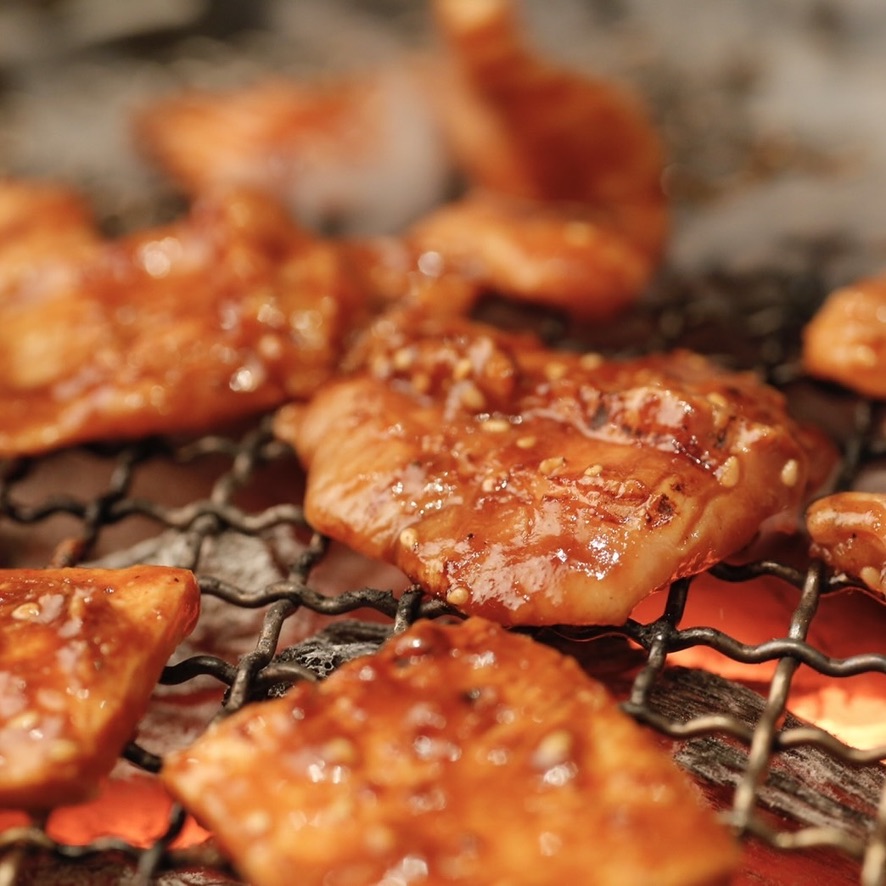
After strong fatty cuts, “Mino” entertains you with its refreshing umami and unique texture. Cows have four stomachs, and this is the first one. It acts like a giant tank for fermenting the grass the cow eats, and is characterized by thick muscles developed through rumination.
Among them, only the high quality parts that are particularly thick and easy to bite through are carefully selected and called “Jo Mino.” The light, clean, elegant taste and the light “crunchy, crisp” texture created by the way the knife is inserted make it the best companion for alcohol. However, because it is a very muscular cut, a single hidden knife cut determines whether it becomes “unchewable rubber” or a “blissful texture.”
Dramatic Increase in Deliciousness! How to Grill Horumon Correctly and Tell When It Is Ready
Even if you prepare the finest horumon, its charm will be halved if you make a mistake in grilling it. We will share the scientific and practical secrets of grilling to prevent tragedies like “I do not know when to swallow” or “All the fat dropped off and it became dry.”
Grill the Fat First? Grill the Skin First? The Truth About Shimacho
The eternal debate among yakiniku lovers is whether “horumon should be grilled from the skin or from the fat.” Actually, the logical correct answer recommended by professionals is to “grill the fat side first.”

It is generally often said to “grill from the skin to drop the fat,” but this is a big misunderstanding. Visceral fat does not drop off easily just by grilling it on a net. If fat dropped easily with heat, dieting would be much easier. The excess fat is carefully shaved off by the craftsman with a knife during the prep stage and adjusted to the best amount.
No matter how much you grill the fat, it does not become hard, but if you overcook the skin (the flesh part), it becomes hard like rubber and impossible to bite through. Therefore, first place the fat side on the net to cook it slowly and draw out the sweetness of the fat. When the fat turns a golden color, flip it over, and finishing the skin side by “just lightly searing it to let the heat through” is the secret to eating Shimacho the most deliciously and tenderly.
The Magic of Charcoal to Grill Marucho Plumply
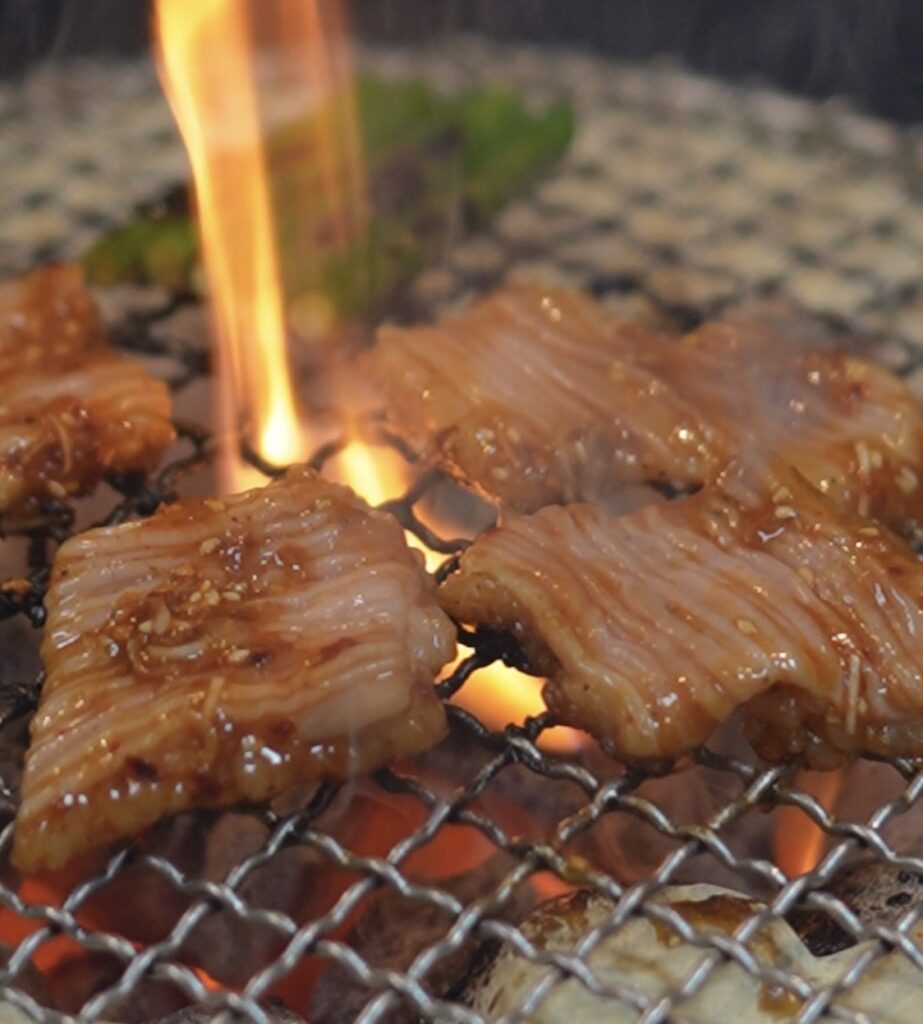
When grilling Marucho, which is a lump of fat, the power of charcoal fire is very helpful. When you place Marucho on the net, fat immediately drips down and flames rise, but you must not panic here. Utilizing the far infrared effect of the charcoal fire, slowly warm the fat trapped inside while grilling the outside until crispy and savory.
When Marucho plumps up and gets a beautiful grilled color on the surface, it is a sign that it is ready to eat. Bring it to your mouth while it is piping hot, and enjoy the marriage of bursting fat and the savory aroma of the charcoal fire.
Salt or Sauce? Tips for Choosing Horumon Seasoning
When ordering horumon, you will often wonder whether to choose salt or sauce. Basically, it is best to follow the restaurant’s recommendation, but changing the seasoning according to the personality of the cut will greatly widen the range of enjoyment.
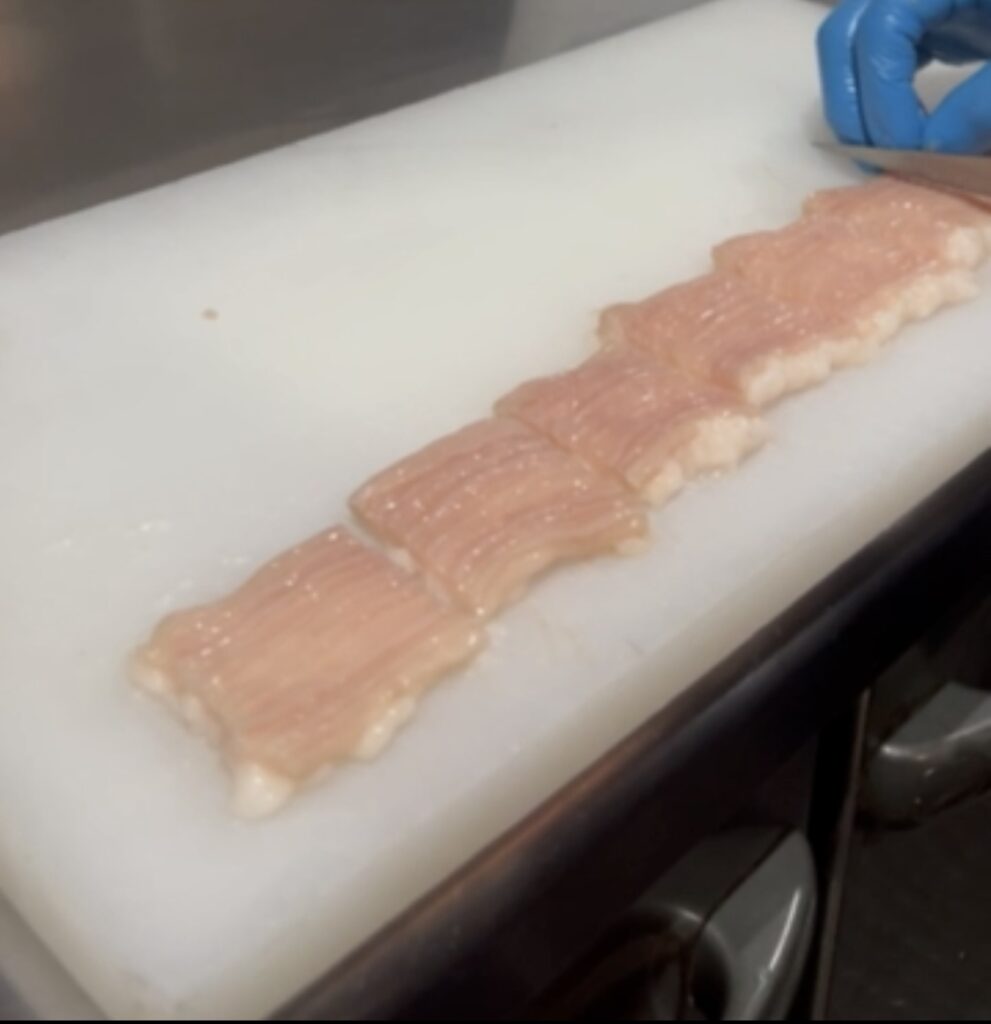
- Cuts recommended with salt (Jo Mino, Hatsu, etc.): For mild tasting cuts where you want to enjoy the original umami and texture of the ingredients, a salt flavor with a touch of sesame oil is perfect. A light squeeze of lemon adds a refreshing acidity that further stimulates your appetite.
- Cuts recommended with sauce or miso (Shimacho, Marucho, Gyara, etc.): Cuts with strong fat sweetness or characteristic flavors go perfectly with rich miso sauce or sweet and spicy soy sauce based sauce. The savory smell of the burning sauce and the horumon fat intertwine, creating intense umami, transforming it into the ultimate side dish that makes white rice go down endlessly.
Facing the Grill with Knowledge Makes Yakiniku Even More Fun
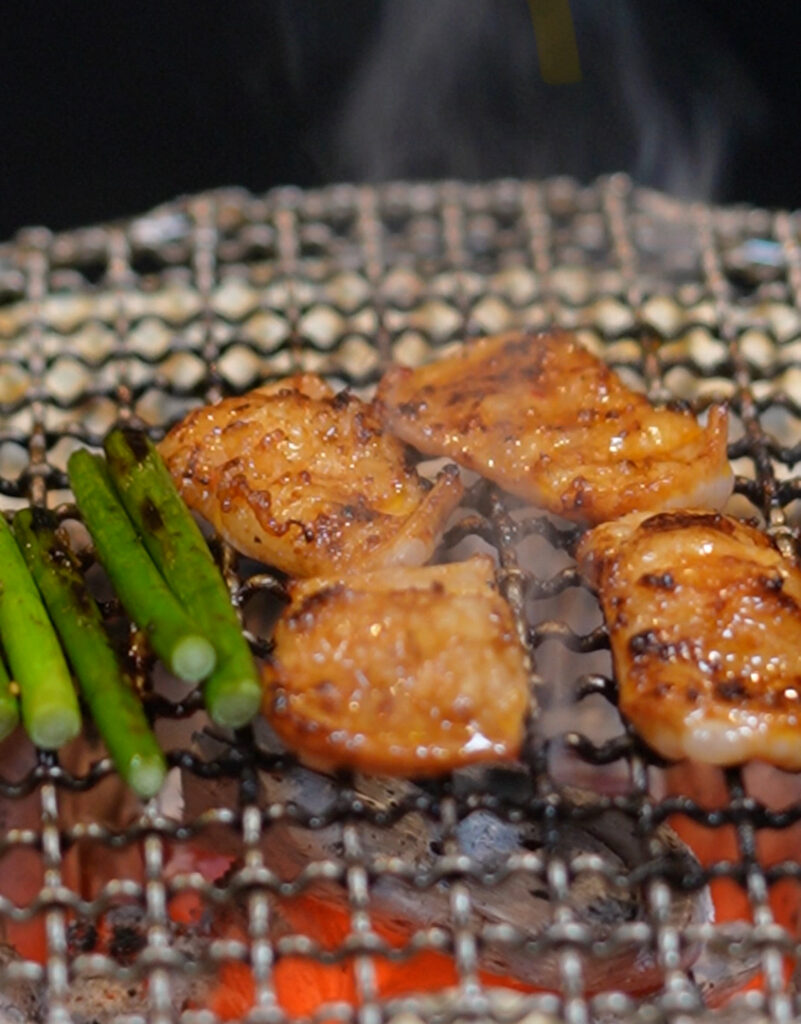
Instead of just grilling meat aimlessly, knowing the background and characteristics of the cuts and facing the net while determining the optimal grilling condition. Just doing that transforms your usual yakiniku dinner into a higher grade, premium dining experience.
In Ikebukuro, a town where the history and culture of yakiniku live on, please taste premium horumon with your own tongue and find your favorite cuts and grilling methods. A moment of bliss awaits you in front of the sizzling charcoal net.
If You Want to Taste Premium Wagyu Horumon with Full Attendance, Go to “Yakiniku Kuro 5”
For those who want to truly enjoy delicious horumon and Wagyu beef in Ikebukuro and Kabukicho, “Yakiniku Kuro 5” is highly recommended. By carefully selecting and purchasing fresh and rare cuts, and having craftsmen carefully make hidden cuts, we eliminate the smell unique to horumon and realize a surprisingly soft texture.
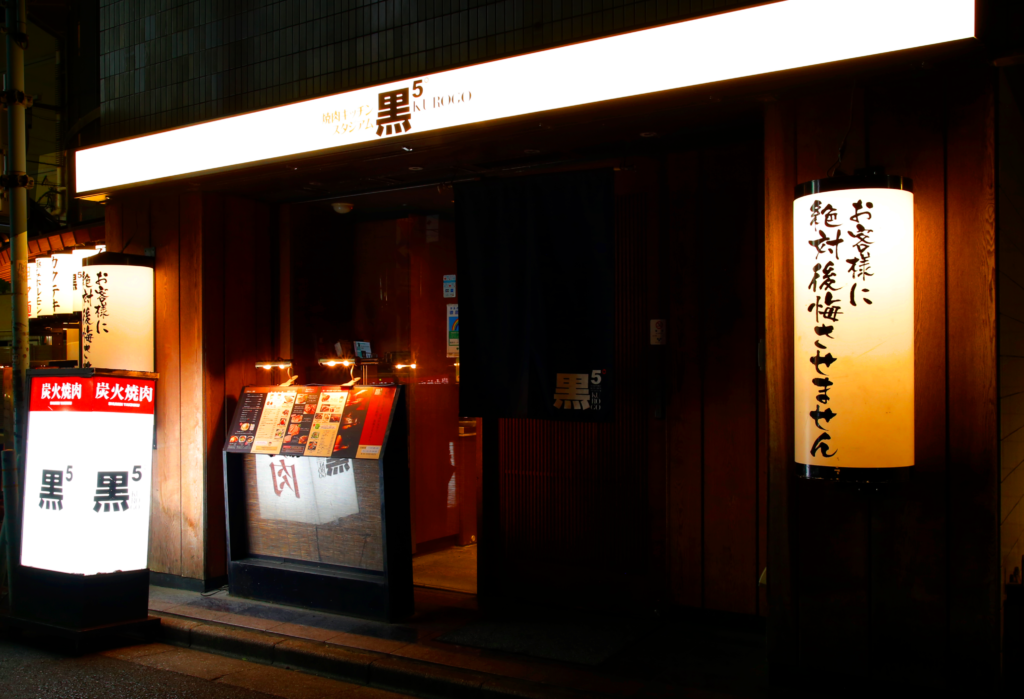
Furthermore, the biggest feature of Kuro 5 is the “full attendance” (grilling master) style where experienced staff grill the meat to its best condition right in front of the customers. Staff who are thoroughly familiar with the far infrared effect of Binchotan charcoal perform the optimal heat control for each cut, so there are absolutely no failures like “I burned it” or “It is too hard to bite through.” You can taste premium meat at its most delicious moment.
Store Name: Yakiniku Kuro 5 Main Store
Address: 1F Cima 100 Bldg, 2-46-3 Ikebukuro, Toshima-ku, Tokyo 171-0014
Nearest Station: 5 minutes on foot from JR Ikebukuro Station West Exit
Business Hours: 17:00 to 24:00 (L.O. 23:30)
Regular Holiday: Open year-round
Store Name: Yakiniku Kuro 5 Ikebukuro East Exit Store
Address: 2F Need Bldg, 1-42-16 Higashi-Ikebukuro, Toshima-ku, Tokyo 170-0013
Nearest Station: 5 minutes on foot from JR Ikebukuro Station East Exit
Business Hours: 17:00 to 24:00 (L.O. 23:00)
Regular Holiday: Open year-round
Store Name: Yakiniku Kuro 5 Kabukicho
Address: 1F Sankei Bldg, 2-21-4 Kabukicho, Shinjuku-ku, Tokyo
Nearest Station: 5 minutes on foot from Seibu Shinjuku Station / 7 minutes on foot from Shinjuku Sanchome Station
Business Hours: 18:00 to 5:00 the next day (L.O. 4:00)
Regular Holiday: Open year-round

