“You can’t go wrong if you just order A5 rank meat.”
“As long as there’s Karubi and Harami, I’m satisfied.”
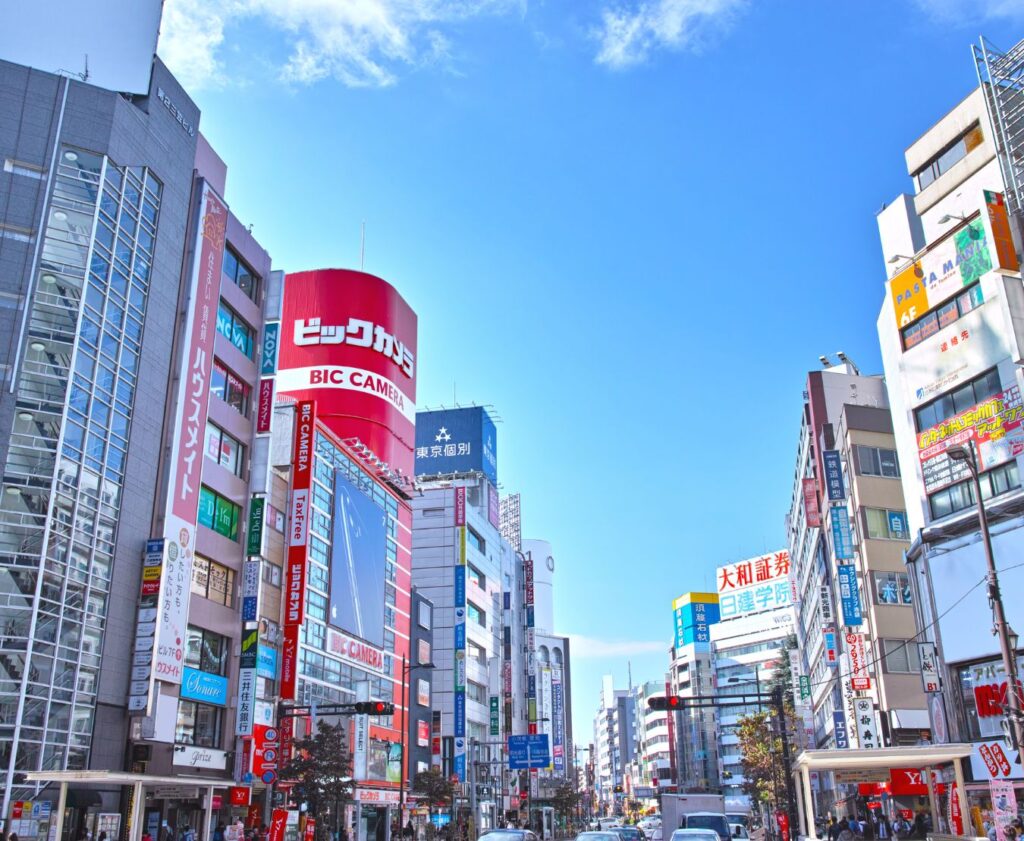
If that’s what you think, you might be missing out. By understanding the deep charm of Wagyu, your yakiniku dinner in Ikebukuro will transform into a much richer and more moving experience.
In this article, we will take a deep dive for all yakiniku lovers into the points of identifying truly delicious Kuroge Wagyu, the connoisseur’s knowledge of different cuts, and the secrets of “grilling” that draw out 100% of the meat’s potential. Read this, and your next yakiniku experience is guaranteed to be dramatically more delicious!
What Exactly is “Kuroge Wagyu”? Uncovering the Truth About A5 Rank
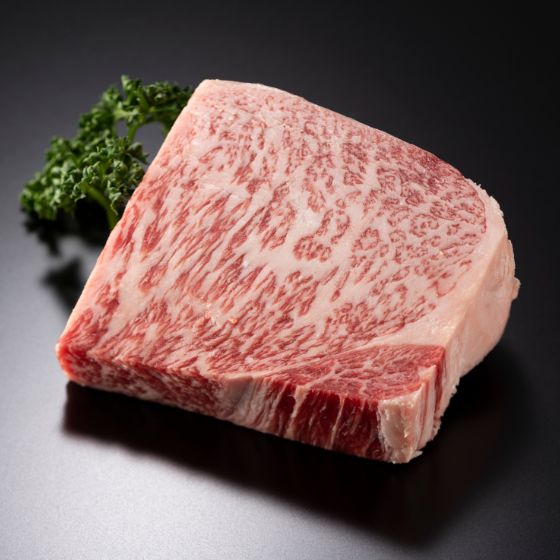
When you see “Kuroge Wagyu” on a menu, it unconditionally sounds delicious. However, surprisingly few people correctly understand the appeal and evaluation standards of Kuroge Wagyu.
What makes Kuroge Wagyu different from other beef?
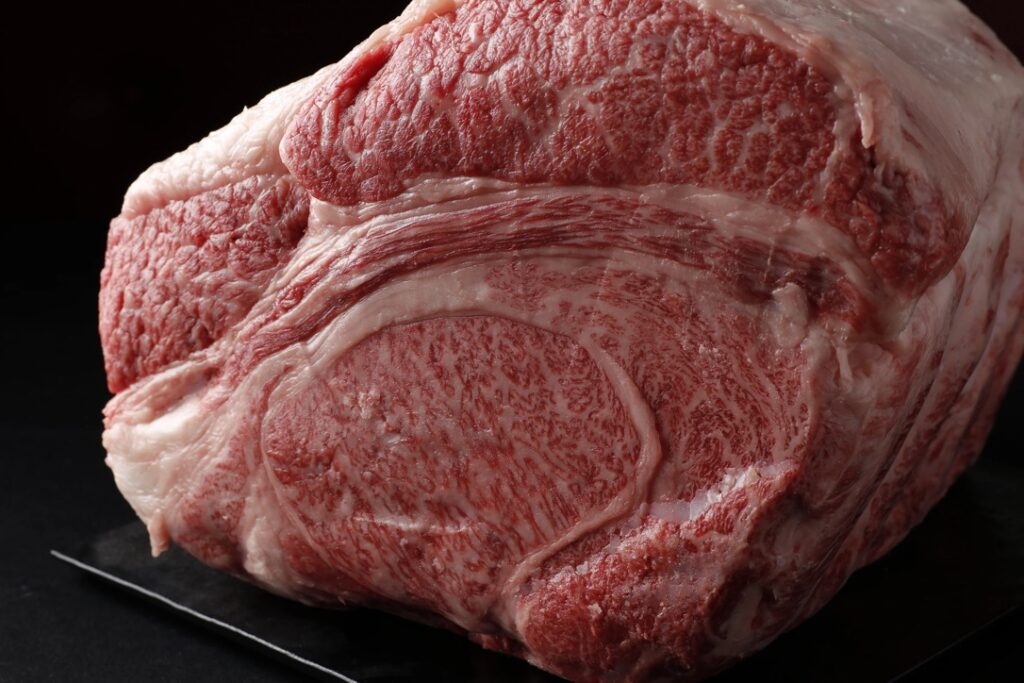
Wagyu refers to cattle that have been improved through repeated crossbreeding based on native Japanese breeds. Among them, the “Kuroge Washu” (Japanese Black or Kuroge Wagyu) is the representative breed, accounting for about 90% of Japanese Wagyu. Its greatest feature is, without a doubt, the meat quality. Beautiful snow-like fat (sashi) easily marbles between fine muscle fibers, and when heated, it creates a melting tenderness and a rich aroma.
The melting point of Wagyu fat is so low that it can easily melt at human body temperature. That is exactly why the sweetness and umami explode the moment you put it in your mouth.
Is “A5 Rank = Most Delicious” a big misunderstanding?
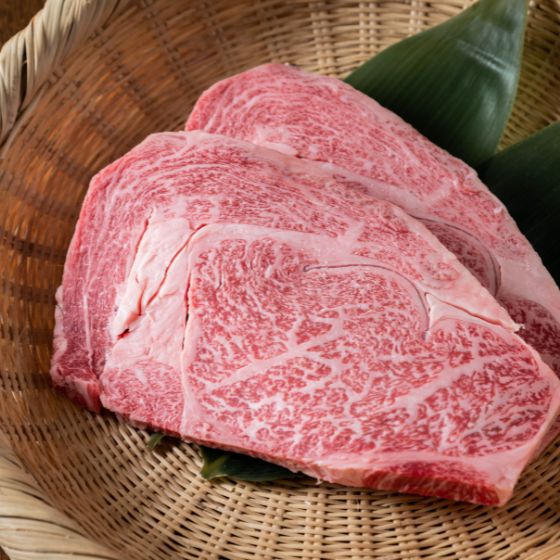
You often see “A5 rank” at yakiniku restaurants. Many people think, “A5 is the most delicious and highest luxury,” but this is half true and half a misconception.
Actually, the letters “A to C” represent the “yield grade,” which is a standard for producers indicating how much marketable meat can be harvested from a single cow. It has no direct relation to the taste.
The numbers “1 to 5” are the “meat quality grade,” which evaluates the degree of marbling (sashi), the color of the meat, and the quality of the fat. In other words, “A5” simply means “meat from a cow that yields a high amount of visually beautiful, heavily marbled cuts.”
Of course, A5 rank Wagyu is spectacular, but “the more marbling it has, the better it suits your palate” is not always true. Depending on your age or how you feel that day, you might think, “Today, I’d rather have a rich, lean cut than heavily marbled meat.” What’s important is not getting caught up in the number of the rank, but having the knowledge to choose “the cut you most want to eat right now.”
Cuts to Order for Your Ikebukuro Yakiniku Dinner! Wagyu Anatomy for Connoisseurs
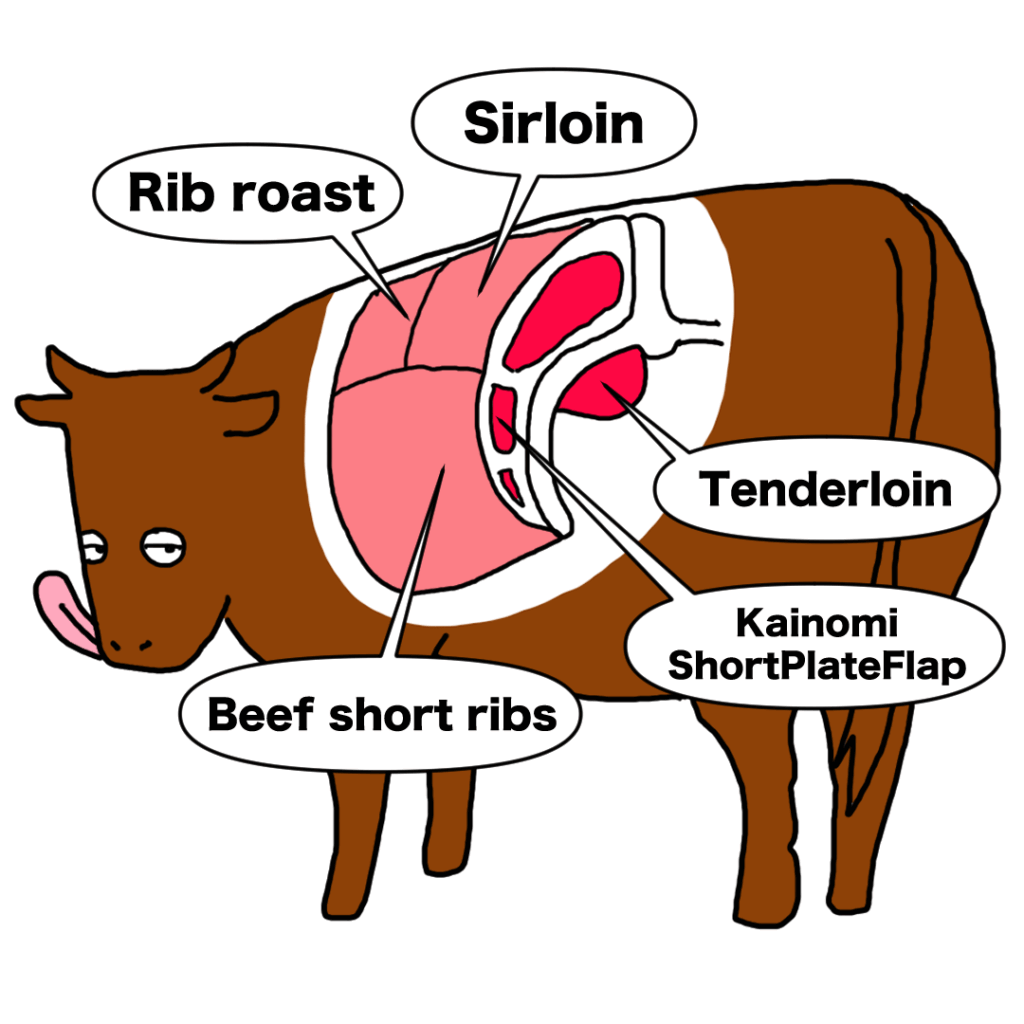
To truly enjoy delicious yakiniku, the shortcut is to know the personality of each cut. Let’s graduate from the “just the usual” order and introduce the cut-by-cut knowledge you need to smartly savor the meat.
Wagyu Tongue: The phantom taste, yielding only a tiny amount per cow
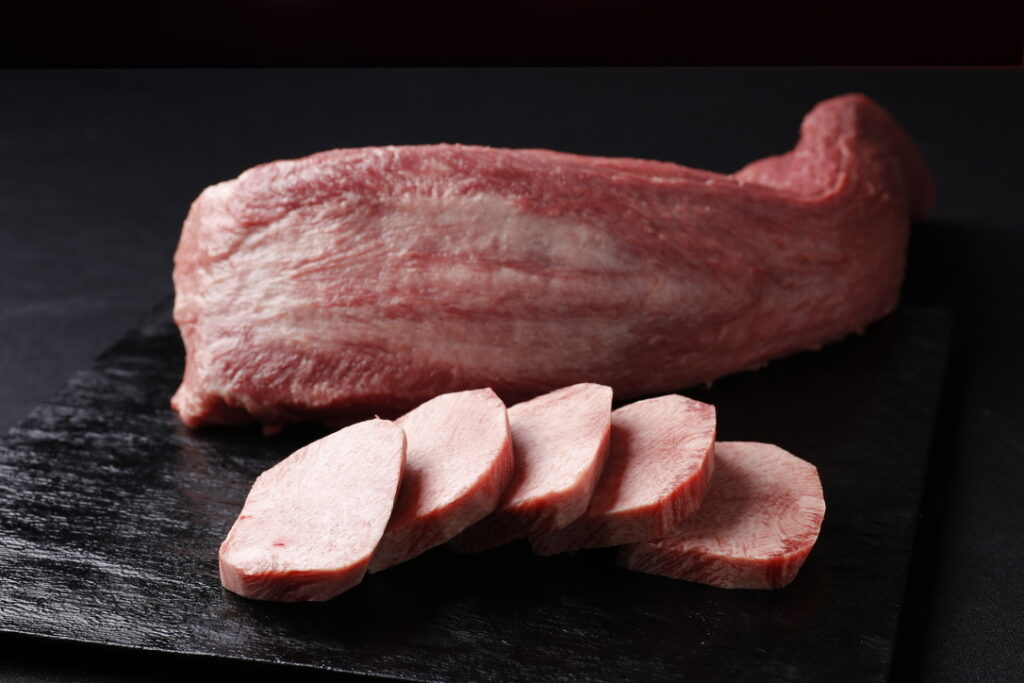
The start of any yakiniku meal is definitely “salted tongue” (Tan-shio). The crisp, snappy texture and the umami that overflows the more you chew will blow away the fatigue of the day.
However, did you know that most of the tongue served at typical yakiniku restaurants is imported beef? In fact, “Kuroge Wagyu Tongue” is an ultra-rare cut, yielding just over 1kg per cow. Furthermore, the part closest to the root, called “Tan-moto,” is incredibly soft despite its thickness and features beautiful marbling.
If you find “Wagyu Tongue” or “Tokusen (Special) Tongue” on a menu, order it without hesitation. You will be shocked by the deep umami and melting tenderness that exists on a completely different dimension from imported beef.
Ribeye (Rib Roast): The ultimate marbling that overturns Karubi stereotypes
“Yakiniku means Karubi!” Many people say this, but originally, “Karubi” is a Korean word referring to the rib belly meat. While it is fatty and delicious, it can sometimes feel a bit heavy.
That is why true meat connoisseurs prefer the “Ribeye” (Rib Roast). Located between the sirloin and the chuck roast, the ribeye gets very little exercise, making its muscle fibers incredibly fine and allowing marbling to spread evenly. It lacks the heaviness of belly meat, and the moment you bite into it, elegant meat juices and the sweet aroma unique to Wagyu spread throughout your mouth.
Combining “tenderness, umami, and visual beauty,” the ribeye is the true star of yakiniku. Thinly searing it and eating it coated in egg yolk is a moment of pure bliss.
Shintama (Lean Meat): The umami bomb that adults fall in love with
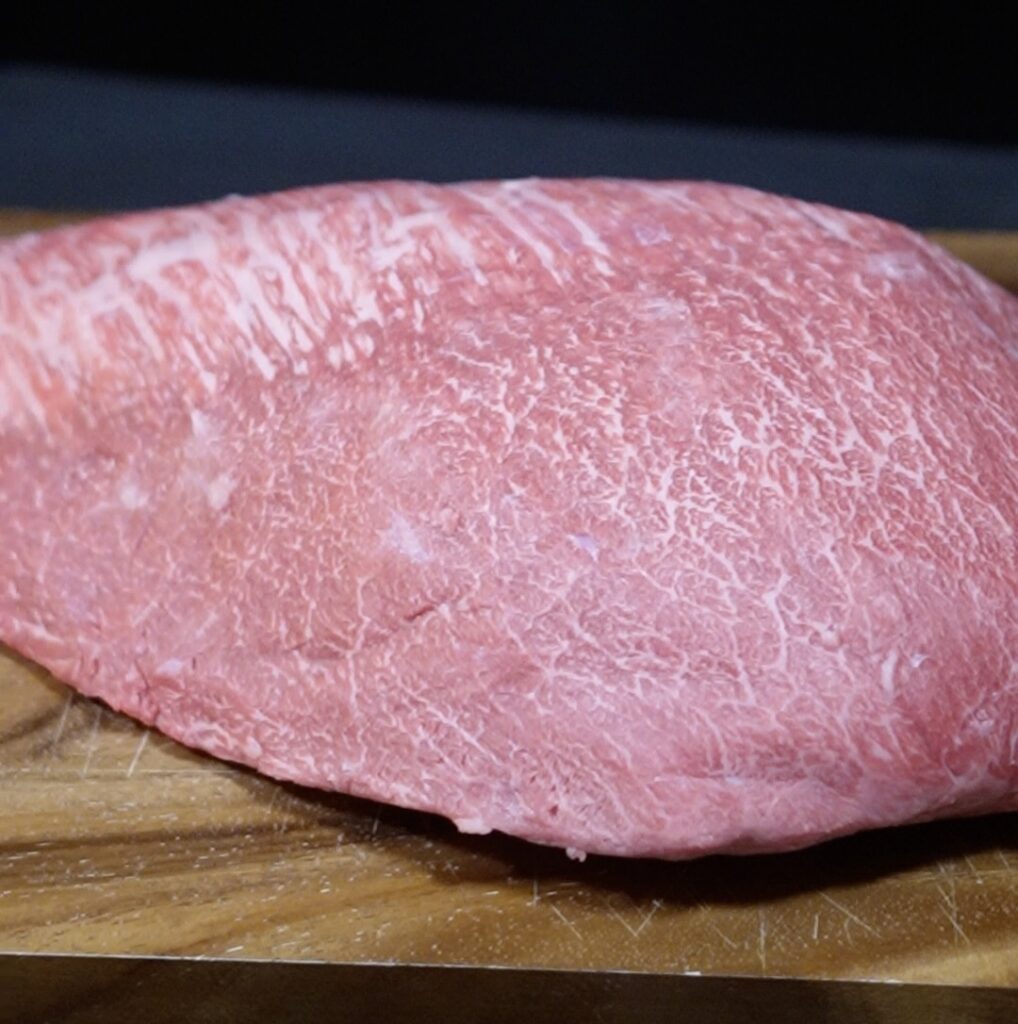
If the heaviness of marbled meat starts to weigh on you, be sure to look out for a cut called “Shintama”. Located in a part of the thigh near the base of the cow’s hind legs, it is often called the “leanest of the lean.”
Shintama can be further divided into smaller cuts, each showing a different expression. Tomo-sankaku (Tri-tip) Despite being thigh meat, it features beautiful marbling-an artistic cut that perfectly balances the richness of lean meat with the sweetness of fat. Shin-shin The very center of the Shintama. An incredibly fine and tender lean cut. Without any quirks, you can taste the pure umami of the meat directly. Kamenoko Low in fat, a cut that oozes with robust Wagyu umami the more you chew-an irresistible treat for lean meat lovers.
Just knowing these cuts allows you to enjoy a gradation of flavors, much like a multi-course meal.
Harami (Skirt Steak): Looks like lean meat but is actually offal? The deep world of grilling
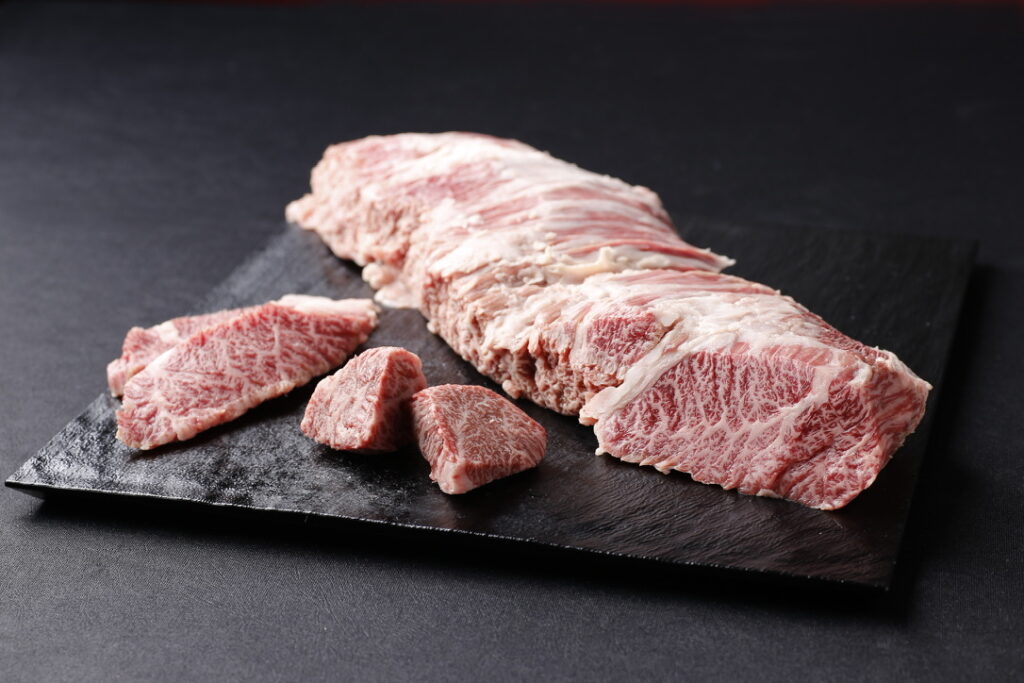
Harami now rivals, or even surpasses, Karubi in popularity. Its appearance and texture feel like lean meat, but it is actually the “diaphragm,” a muscle classified as offal. Because of this, it has a unique, unraveling fiber texture and a deeply addictive richness.
Wagyu Harami is just as ultra-rare as tongue. Furthermore, Harami has a unique characteristic: its taste changes dramatically depending on the “grilling method.” Just searing the surface and leaving the inside raw is actually a big mistake. Because its fibers are thick and hold a lot of moisture, cooking it slowly all the way to the center will result in an astonishingly moist and juicy texture.
The Science of “Grilling” to Maximize Kuroge Wagyu’s Umami

No matter how high-quality the Kuroge Wagyu you procure, if the grilling method is wrong, its potential is halved. In yakiniku, “fire” is the greatest seasoning that determines the taste.
The magic of the “Far-Infrared Effect” brought by Binchotan charcoal
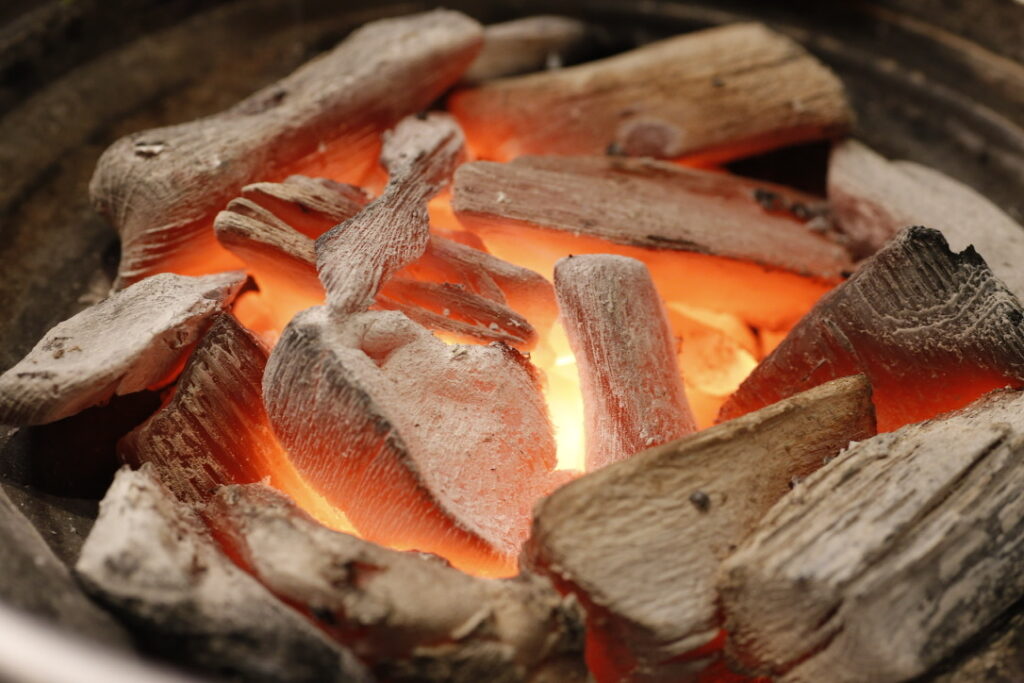
Gas roasters have their own merits, but if you’re seeking authentic yakiniku, you definitely want to choose a restaurant that uses “charcoal fire”-specifically, “Binchotan.”
Binchotan reaches an ultra-high temperature of over 800°C, and the heat reaches the meat as “far-infrared rays.” The amazing thing about these far-infrared rays is that they instantly sear the surface of the meat while quickly penetrating heat into the interior. As a result, the outside finishes fragrant and crisp, while the inside remains plump without losing any meat juices.
Furthermore, when the Wagyu fat drops onto the charcoal through the mesh, it turns into smoke that envelops the meat, coating it in an irresistible “smoky aroma” unique to charcoal grilling. This is a secret of deliciousness that gas can never replicate.
Flip the meat once? Or multiple times?
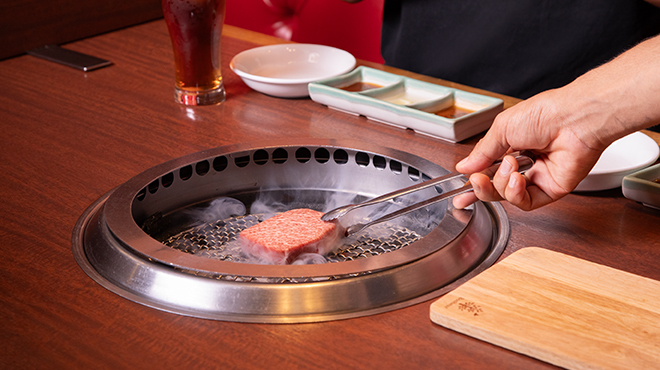
Have you ever heard the ironclad rule, “You must only flip your yakiniku once!”? Actually, this is a rule for steaks cooked on an iron griddle, and it is not necessarily correct for yakiniku cooked on a wire mesh.
Since heat only comes from below on a mesh, leaving it alone often results in a burnt bottom while the top remains cold. Especially for thick cuts like Harami, the “repetitive heating method” of flipping frequently every 10 to 15 seconds is highly recommended. By heating the meat evenly from both sides and letting it rest while slowly raising the internal temperature, the meat juices are firmly retained within the fibers, creating the perfect condition that bursts the moment you bite.
The taste of meat changes dramatically depending on “Who Grills It”

“But I don’t know the optimal way to grill each cut, and I’m afraid of burning it…”
For those who feel this way, we highly recommend a restaurant with a “Full Attend (Yaki-Bugyo / Grill Master) style,” where staff stay by your side and grill the meat for you.
Professionals instantly assess the thickness of the meat, the degree of marbling, and the charcoal temperature of the day, adjusting the grilling down to the millimeter for each cut. It is a true luxury to have the best Kuroge Wagyu placed on your plate at its most delicious “peak moment.” Without the hassle of grilling the meat yourself, there is also the great advantage of allowing your date’s conversation or a business meeting to proceed smoothly.
Conclusion: To Find the Best Kuroge Wagyu Yakiniku in Ikebukuro
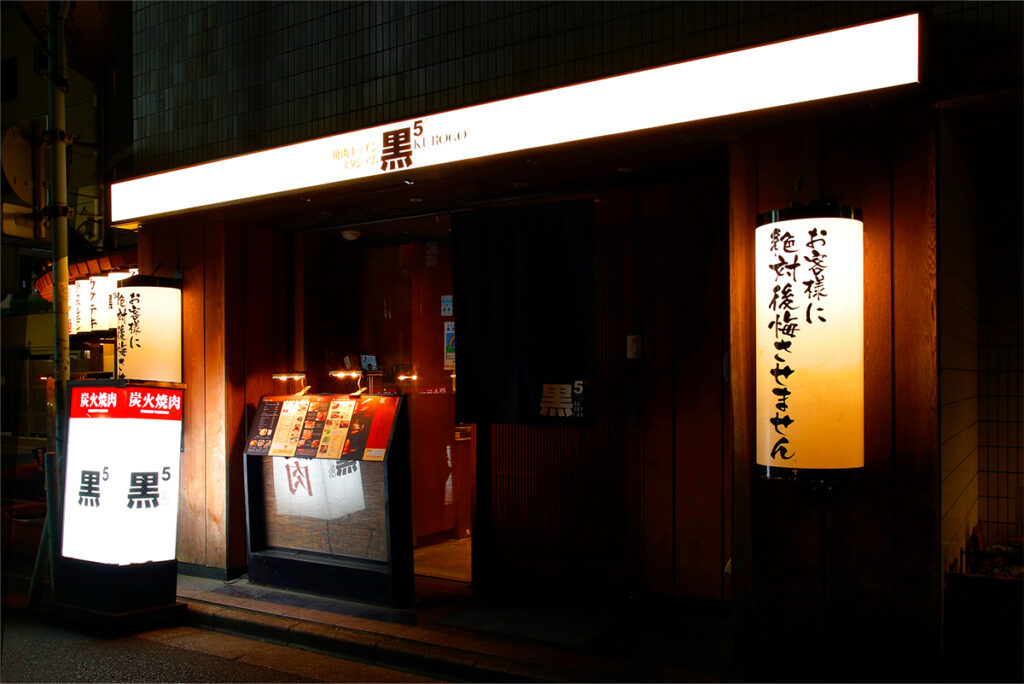
How was it? The truth behind Kuroge Wagyu ranks, the individuality of each cut, and the importance of charcoal fire and grilling techniques. Just possessing this knowledge turns a simple “yakiniku” outing into a “gastronomic experience” accompanied by deep emotion.
When choosing a yakiniku restaurant in Ikebukuro, try to observe not only the quality of the meat but also “what kind of fire they use” and “whether you can experience professional grilling techniques.” Armed with the ultimate spice called knowledge, please fully enjoy the ultimate Kuroge Wagyu yakiniku just for you.
Store Name: Yakiniku Kuro 5 Main Store (Honten)
Address: CIMA 100 Bldg. 1F, 2-46-3 Ikebukuro, Toshima-ku, Tokyo 171-0014
Nearest Station: 5-minute walk from JR Ikebukuro Station West Exit
Hours: 17:00 – 24:00 (L.O. 23:30)
Closed: Open year-round
Store Name: Yakiniku Kuro 5 Ikebukuro East Exit Store
Address: NEED Bldg. 2F, 1-42-16 Higashi-Ikebukuro, Toshima-ku, Tokyo 170-0013
Nearest Station: 5-minute walk from JR Ikebukuro Station East Exit
Hours: 17:00 – 24:00 (L.O. 23:00)
Closed: Open year-round
Store Name: Yakiniku Kuro 5 Kabukicho Store
Address: Sankei Bldg. 1F, 2-21-4 Kabukicho, Shinjuku-ku, Tokyo 160-0021
Nearest Station: 5-minute walk from Seibu-Shinjuku Station / 7-minute walk from Shinjuku-sanchome Station
Hours: 18:00 – Next 5:00 (L.O. 4:00)
Closed: Open year-round

