



Bone broth has firmly established itself among health and beauty-conscious individuals as a “drinkable beauty serum” and a “natural supplement.” By simmering bone-in meat or carcasses from beef, chicken, or pork for an extended period, rich nutrients such as collagen, gelatin, amino acids, and abundant minerals like calcium and magnesium dissolve into the soup.
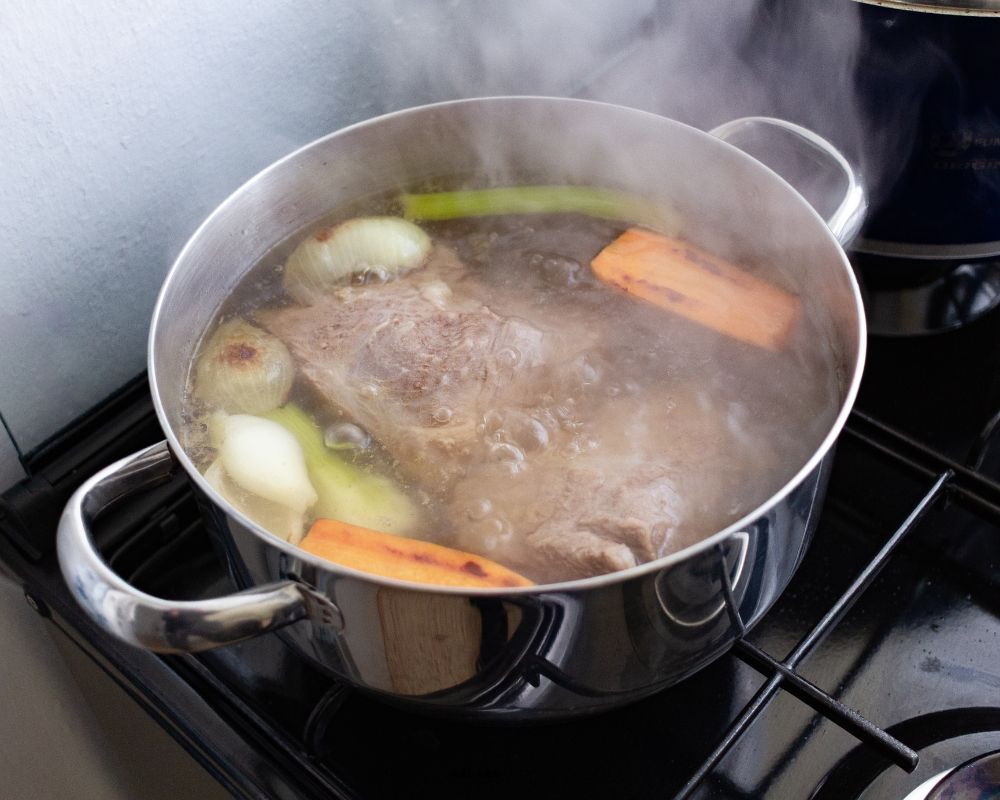
It gently conditions the intestinal environment and adds moisture to your skin and hair. Incorporating it into your daily diet has drawn massive attention for revitalizing the body from the inside out. Even Hollywood celebrities and top athletes swear by it for daily performance maintenance and recovery. However, when you try to make this wonderful bone broth at home, the biggest hurdle is the “long simmering time.”
Normally, to thoroughly extract the nutrients and umami from the core of the bones, you need to simmer them gently over low heat for at least 12 hours, sometimes even more than 24 hours. For busy modern people, standing in front of a gas stove all day is simply unrealistic, and utility bills are a valid concern.
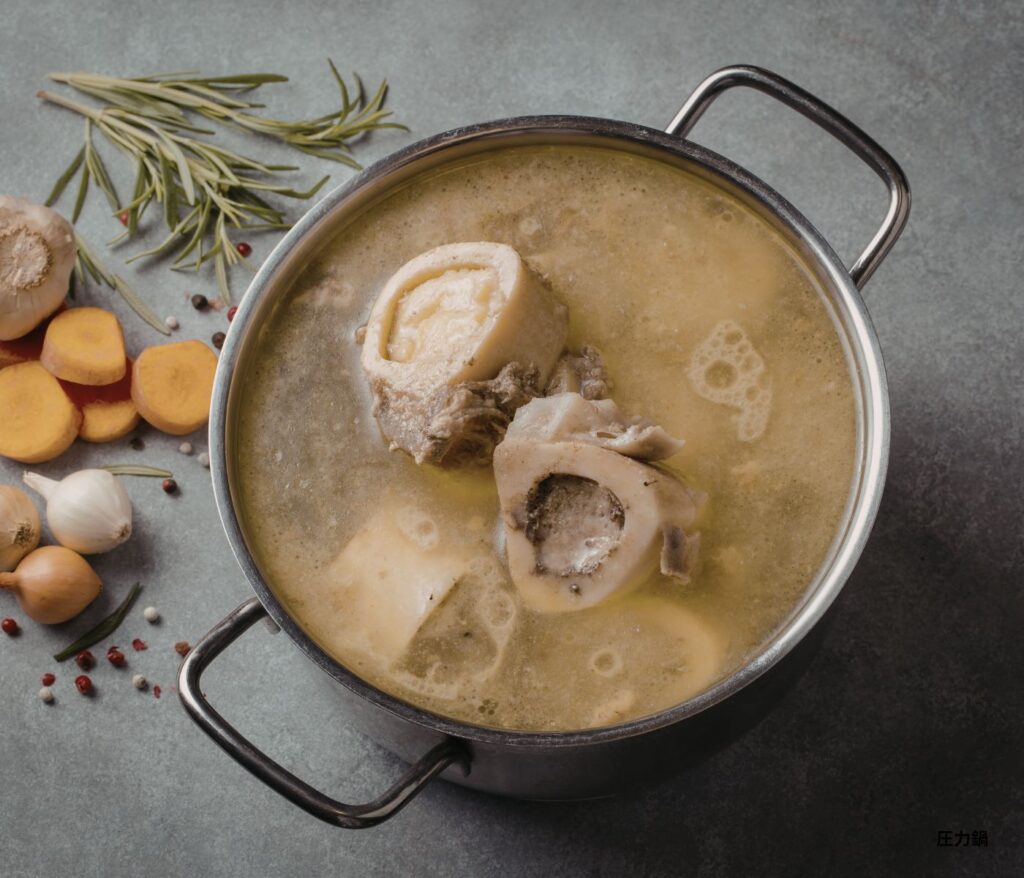
This is where the “pressure cooker” comes to the rescue! Using a pressure cooker, you can drastically reduce the cooking time from over a dozen hours to just a few, while still extracting the deep, rich flavors from the center of the bones. Today, we will share a full guide on how to make authentic bone broth using a pressure cooker, foolproof tips, the “pressure cooker secrets” we utilize in our professional Yakiniku kitchen, and even a lifesaver item for when you don’t have the time to cook.
Why a Pressure Cooker is Perfect for Bone Broth: 3 Scientific Benefits
A pressure cooker is a handy tool to have in any kitchen, but it is actually the most logical piece of cookware for making bone broth. Let’s look at the benefits of using a pressure cooker, complete with a little scientific perspective.
1. Incredible Time-Saving and Efficiency
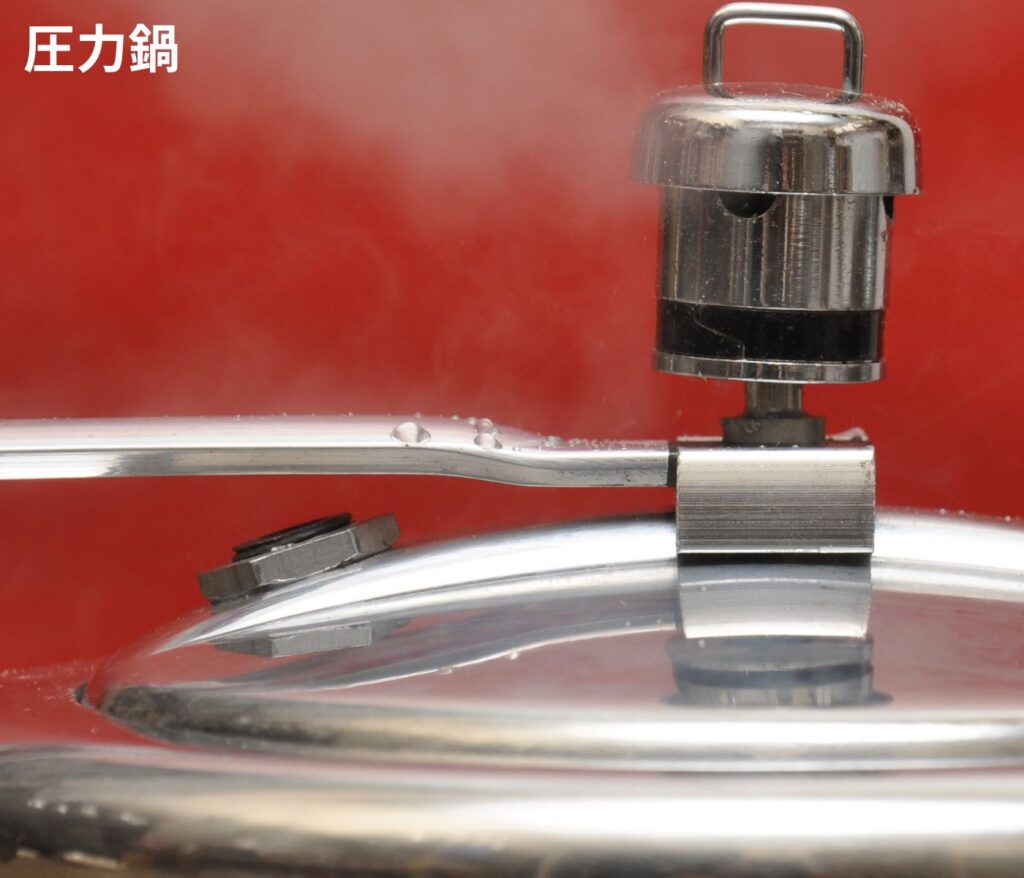
When boiling beef bones or chicken carcasses in a regular pot, it takes at least half a day (12 hours) for the heat to penetrate the core and dissolve the gelatinous matter from the hard tissue. However, a pressure cooker seals the pot and increases the internal pressure, raising the boiling point to 110°C–120°C (230°F–250°F). This drastically speeds up the heat transfer. Depending on the cooker, just 1 to 2 hours of high-pressure cooking will result in fall-apart bones and a rich broth equivalent to over a dozen hours of normal simmering. The convenience of making it in your spare time on a weekend is its greatest appeal.
2. Extracting Nutrition to the Core with High Heat and Pressure
The stars of bone broth are the “bone marrow” hidden inside the bones and the cartilage (collagen) around the joints. These are protected by extremely tough tissue, but the high-temperature and high-pressure environment of a pressure cooker effectively loosens this hard bone structure. As a result, nutrients like amino acids and minerals migrate into the liquid much more efficiently than with normal boiling. When you chill the finished soup in the refrigerator and it solidifies into a jiggly jelly, that is the ultimate proof that high-quality gelatin has thoroughly melted into your broth.
3. Saving on Utility Bills and Cooking Safely
Leaving a stove on for 12 hours is not only a heavy burden on gas or electricity bills but also a fire hazard, making it hard to step away from the kitchen. With a pressure cooker, once the pressure is reached, you only need to maintain a low heat for a set time. If you use a popular “electric pressure cooker,” you just press a button and don’t even need to watch the heat. Being able to safely and economically maintain this routine is a crucial point for making bone broth a daily habit.
Try It at Home! Basic Beef Bone Broth Recipe Using a Pressure Cooker
Now, let’s introduce a practical recipe for making bone broth at home using a pressure cooker. This time, we will use “beef bones” (or bone-in meats like beef tail), known for their deep richness, sweetness, and exceptionally high nutritional value.
Ingredients
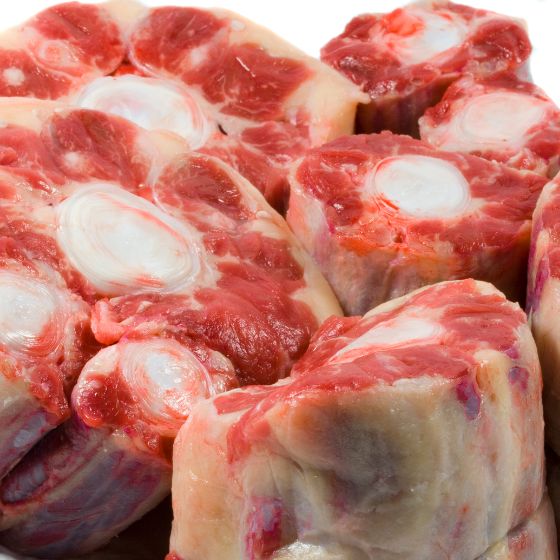
- Beef bones or bone-in meat (e.g., oxtail): Approx. 1 kg (2.2 lbs)
- Onion: 1-2 (leaving the skin on is fine)
- Green parts of green onions (scallions): 1-2 stalks
- Celery: 1 stalk (include the leaves)
- Carrot: 1
- Garlic: 2-3 cloves
- Ginger: A few thin slices
- Water: Up to the max fill line of your pressure cooker (enough to submerge the bones)
- Apple cider vinegar or black vinegar: 1 tablespoon (*A secret ingredient to draw out minerals from the bones)
- Salt: A pinch (for adjusting the taste right before drinking)
Step-by-Step Instructions
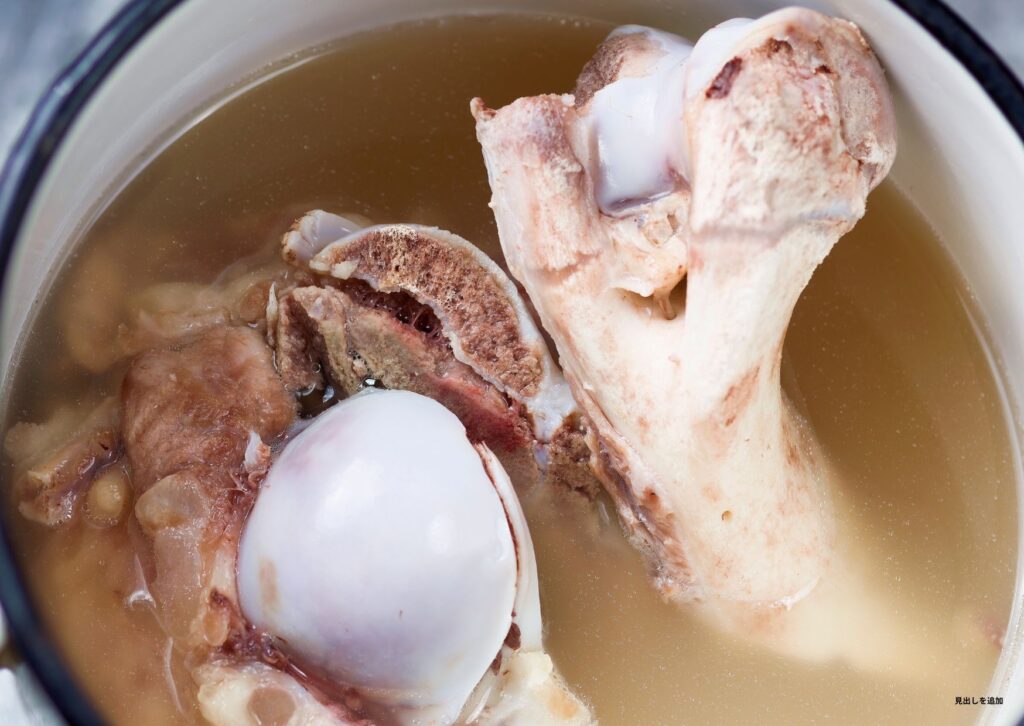
- Purging and Parboiling (Crucial Step!): To remove the odor from the bones, first boil plenty of water in a large regular pot (not the pressure cooker). Add the bones and boil on high heat for 10-15 minutes. Scum and blood will vigorously rise to the surface. Discard all the water and carefully wash the bones under running water. This extra step of “purging” ensures a surprisingly clear and elegant final soup.
- Prepping the Vegetables: Roughly chop aromatic vegetables like onions, carrots, and celery. The skins and ends are packed with phytochemicals and other nutrients, so we recommend washing them well and using them unpeeled.
- Setting the Pressure Cooker: Place the thoroughly washed bones, chopped aromatic vegetables, garlic, and ginger into the pressure cooker. Pour in water up to the specified line (be careful not to exceed the 70% or 80% max fill line of your pot).
- Adding the Vinegar: Add 1 tablespoon of vinegar (such as apple cider vinegar). The acidic component helps dissolve minerals like calcium and magnesium from the hard bones into the soup. The sourness will evaporate during the long heating process, so it won’t affect the final taste.
- Pressure Cooking: Securely close the lid of the pressure cooker and turn on high heat. Once pressurized (when the pin pops up or steam begins to release), reduce the heat to very low and cook under pressure for about 1 to 1.5 hours.
- Natural Cooling and Straining: When the time is up, turn off the heat and leave it alone until the pressure naturally drops completely. Open the lid to reveal a golden (or cloudy white) rich soup, completely softened vegetables, and tender meat. Strain the soup using a fine-mesh sieve or paper towels, transfer it to a clean container, and it’s done!
3 Professional Tips to Make It Even Tastier!
In addition to the basic recipe, here are a few tips to elevate your bone broth to the next level. These are applied techniques that we actually use in the Yakiniku restaurant kitchen.
Tip 1: “Roast the Bones” in the Oven First to Double the Aroma
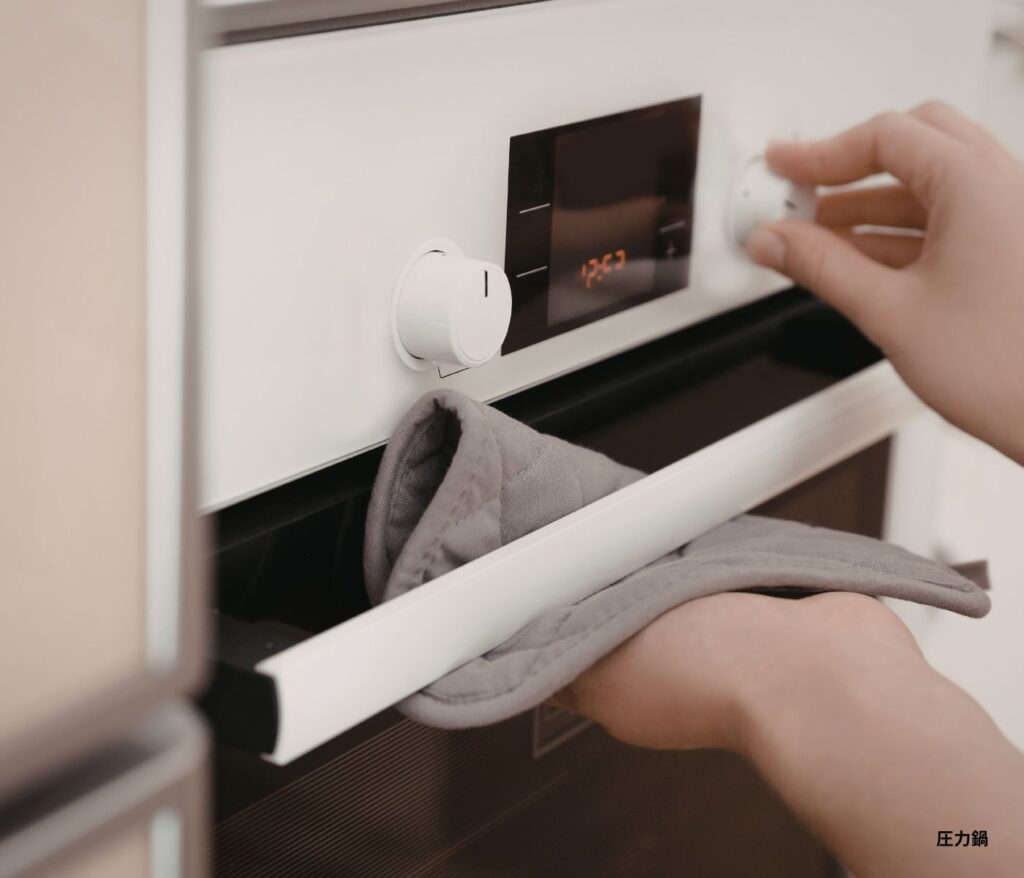
Before parboiling, try roasting the beef bones in an oven at 200°C (400°F) for about 30 to 40 minutes until golden brown. The surface of the bones and the attached meat will undergo the Maillard reaction, giving the soup a profound richness and savory aroma. This is an authentic technique used in top-tier French restaurants to make fond (stock) and serves a dual purpose by eliminating odors.
Tip 2: Carefully Remove the “Surface Fat” After Chilling
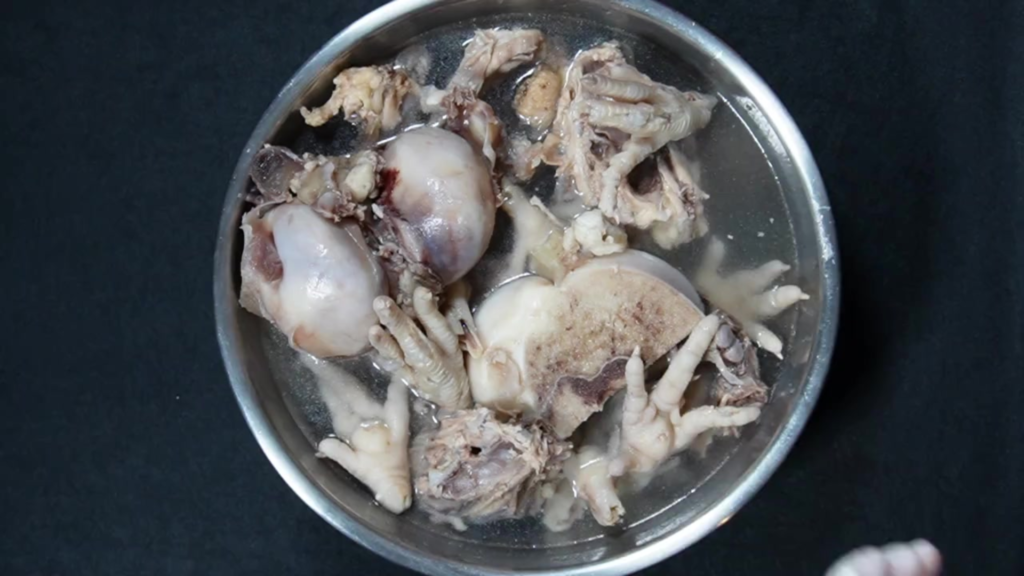
Freshly completed, piping-hot soup has a large amount of fat floating on top, rendered from the bone marrow and meat. Drinking it as is can cause an upset stomach, so let the soup chill in the refrigerator overnight. By the next morning, the soup will have solidified into a jelly, with a thick layer of white fat (tallow) hardened on the very top. By carefully scooping off this white fat with a spoon, you will end up with an exceptionally clear, refreshing soup that retains all its rich umami—making it perfect to drink every day.
Tip 3: Season Simply with “Salt” Just Before Drinking
Bone broth is essentially a “stock.” As a rule, do not add salt when storing it; keep it unsalted in the fridge or freezer. When you are ready to drink it, reheat it in a small pot or microwave, and add just a pinch of high-quality sea salt or rock salt. The sweetness of the high-quality amino acids combined with the saltiness creates an astonishingly comforting flavor that permeates your entire body. Adding a dash of black pepper or scattered green onions is also highly recommended.
Daily Ways to Enjoy Your Homemade Bone Broth
Now that you’ve made your own bone broth, don’t just drink it straight! Using it as a base for daily cooking is a fantastic way to support the health of your whole family.
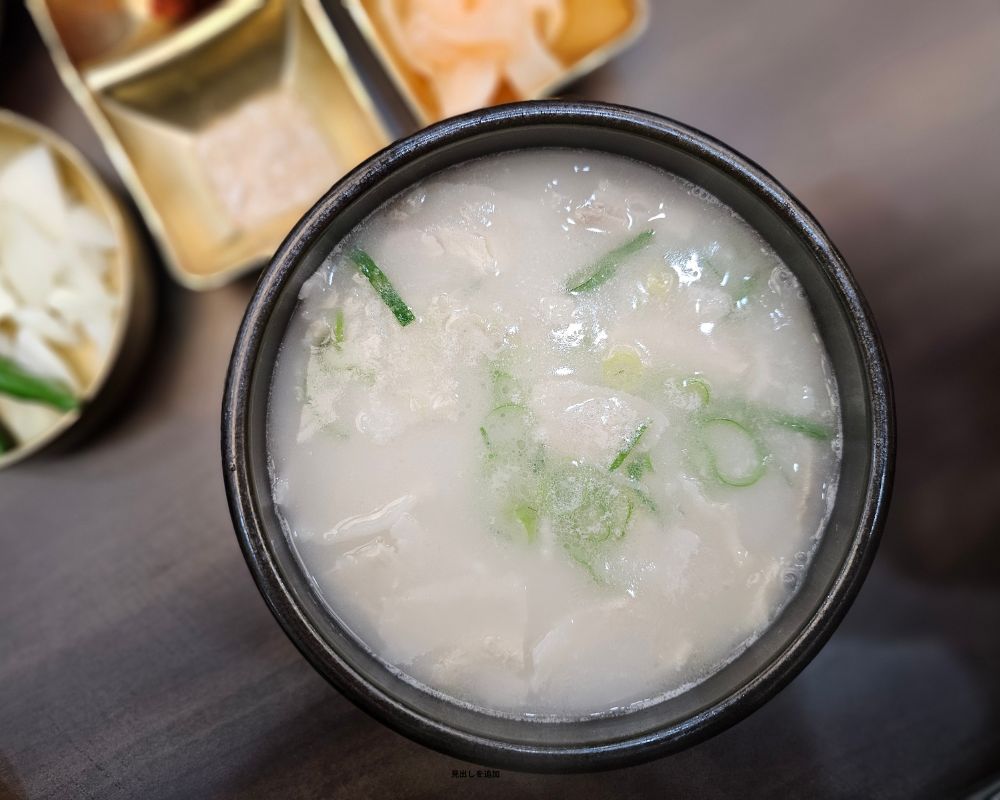
- As a Morning Wake-Up Drink: Instead of coffee or tea, slowly sip warm bone broth from a mug. The sensation of it gently warming your stomach while the premium amino acids are quickly absorbed is a comfort you will crave once you experience it.
- As a Base Stock for Curry and Stew: Try making curry or stew using bone broth instead of water. Even if you reduce the amount of roux, it provides more than enough richness, resulting in a deep, restaurant-quality flavor.
- As a Secret Ingredient in Miso Soup: It pairs surprisingly well with Japanese cuisine. Adding just a splash of bone broth to the dashi of your miso soup deepens the layers of umami and brings out the sweetness of the vegetables.
- As a Noodle Soup Broth: It is perfect as a base for udon, ramen, or hot pots. The deep, animal-based richness multiplies the deliciousness of the noodles and ingredients tenfold.
A Game Changer for Pros! The Story of Yakiniku Restaurants and Commercial Pressure Cookers
So far, we have discussed how to make bone broth at home using a regular pressure cooker. But the truth is, even in our professional Yakiniku industry, the “pressure cooker” has revolutionized soup making.
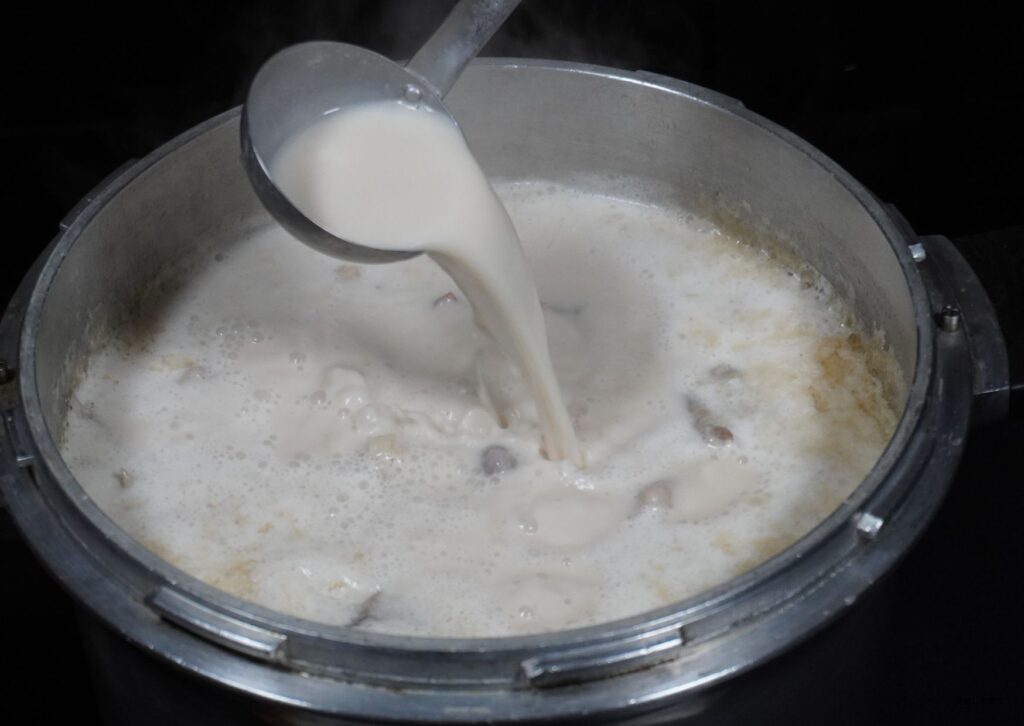
Since the founding of Yakiniku Kuro5, we have poured extraordinary passion into our soups. Our pure white “Komtang Soup,” made by continuously boiling beef femurs over high heat to extract collagen from the marrow, is truly the soul of Kuro5 in a bowl.
However, to completely dissolve the bone marrow in a standard commercial stockpot and achieve that pure white, creamy soup, someone had to continuously watch the fire, add water, and skim the scum while boiling it for over 16 hours. It was an incredibly grueling task for our staff to manage the fire while battling physical exhaustion after finishing late-night shifts.
What dramatically changed our soup-making process was the discovery of the “Commercial Pressure Stockpot.”
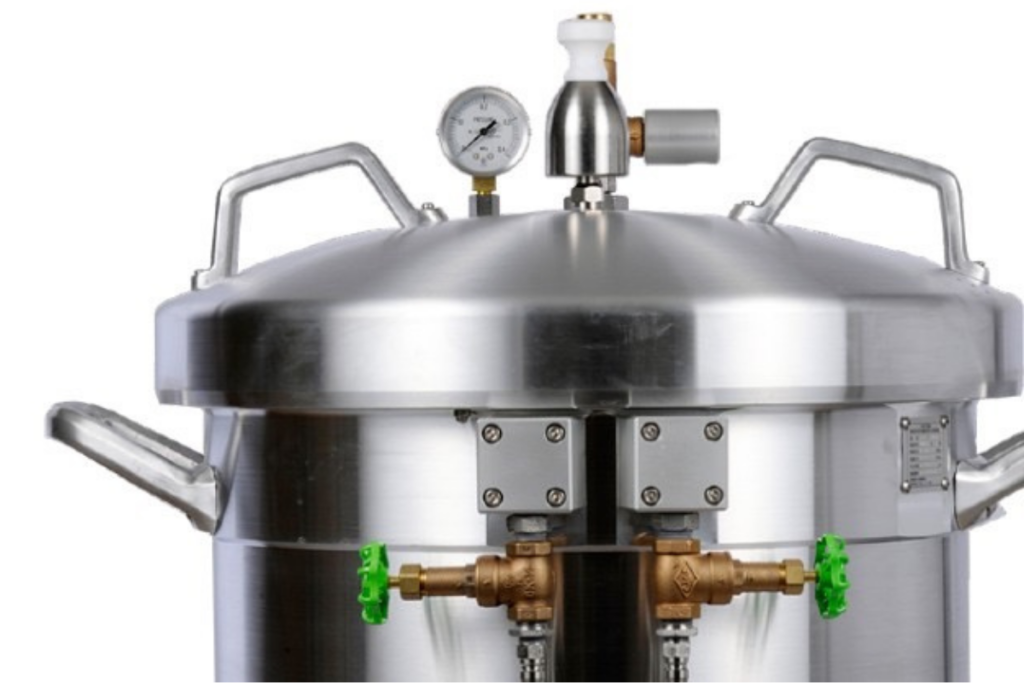
By introducing this giant pressure cooker into our kitchen, the prep time that used to take over a dozen hours was shortened to just a few hours. And it wasn’t just about saving time. Because it boils everything at once in a completely sealed, high-temperature, and high-pressure state, the umami is extracted from the very deepest parts of the bone marrow—something impossible with a regular pot. The concentration and collagen levels of our soup skyrocketed.
By the time we open the pressure cooker, the femur bones are so brittle they crumble with a pinch of the fingers. Every single drop of “umami” and “nutrition” packed inside the bones is dissolved into this white soup. The deep richness of our Komtang Soup—and the hugely popular “Tantanmen” and “Yukgaejang” based on it—cannot be told without our trusty commercial pressure stockpot.
“Cooking it is still tough…” Enjoy the Professional Taste at Home!
We’ve introduced how to make bone broth using a pressure cooker, but you might be thinking, “Even if it saves time, considering the effort of sourcing bones, prepping them, and skimming fat, I can’t make this every day…” It truly is difficult to consistently make it from scratch in the midst of a busy life.
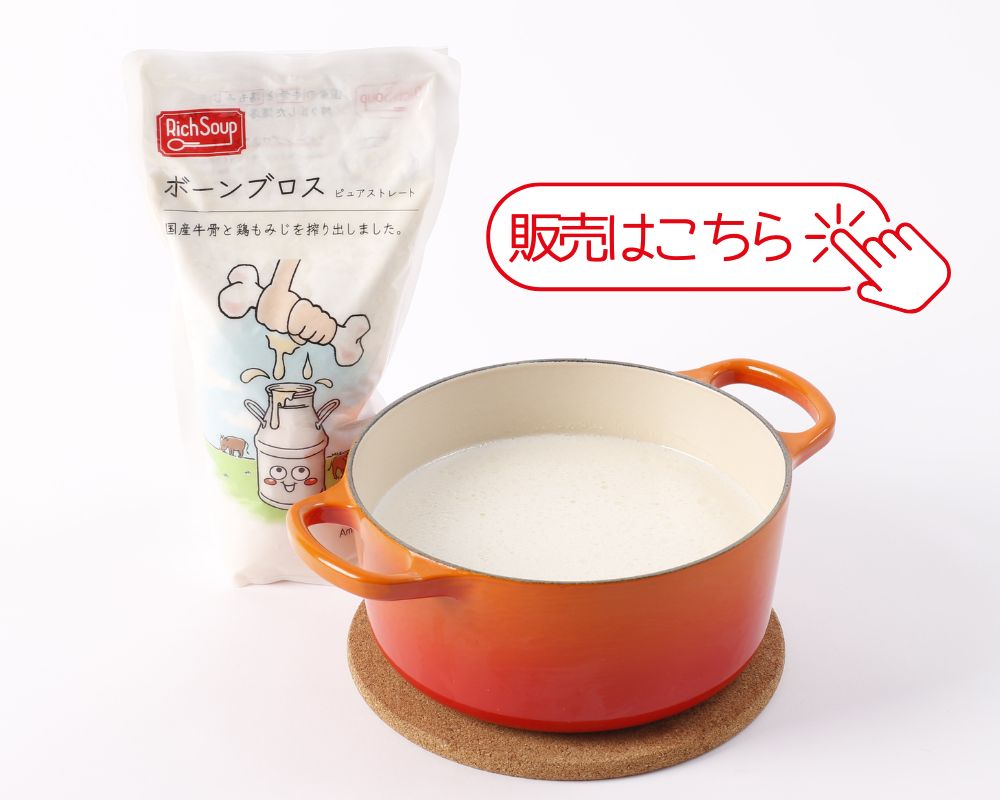
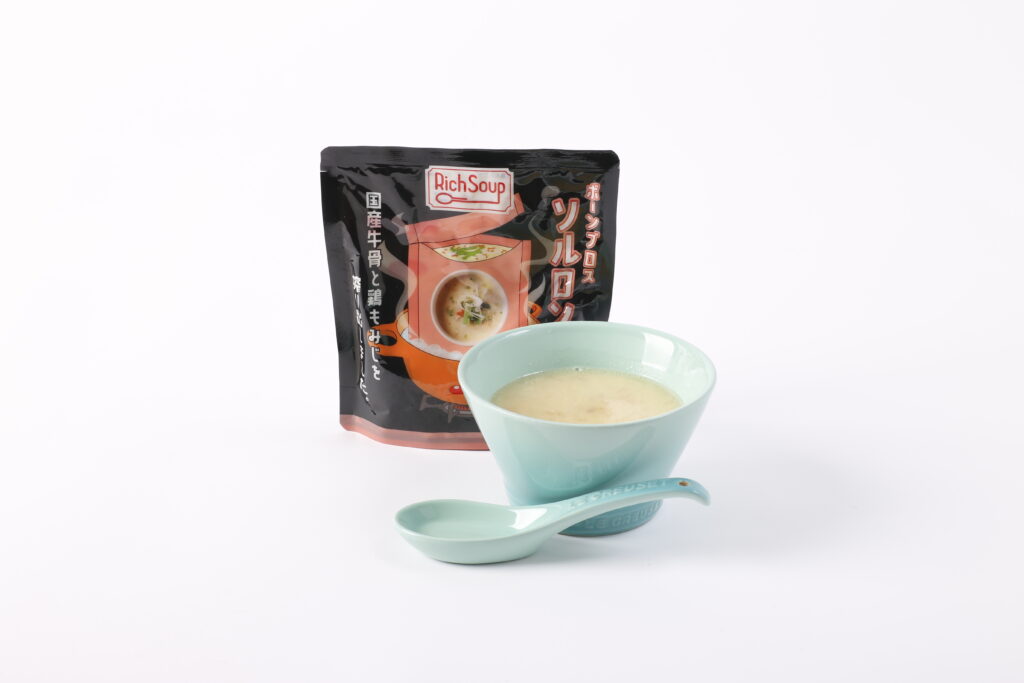
To answer the call of those who want to “easily incorporate authentic bone broth into their daily lives,” we have commercialized the exact taste we boil in our kitchen so you can enjoy it at home. This is our rich bone broth, “Rich Soup,” extracted to the absolute limit from domestic beef bones and chicken feet.
Store at Room Temperature! The Ultimate Soup Experience Just by Opening a Pouch
Our “Rich Soup” is a retort-pouch soup where professional Yakiniku chefs use commercial pressure stockpots to extract collagen and amino acids from the bone marrow, locking in all the umami and nutrients. We use absolutely no unnecessary additives or preservatives, packing the “real” quality served in our restaurants straight into the pouch.
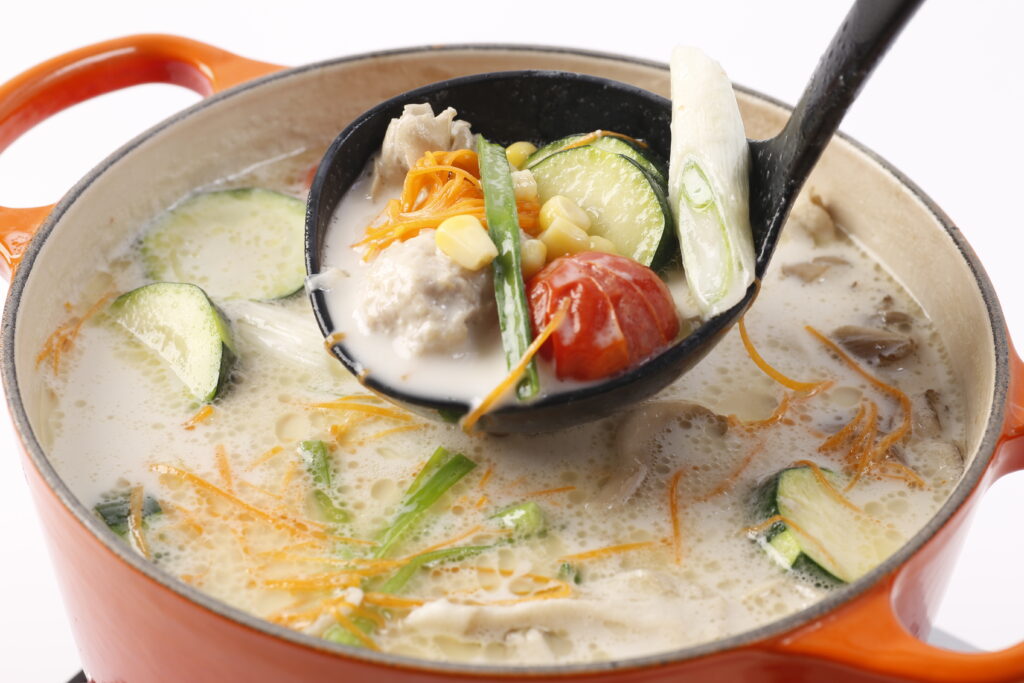
- Room Temperature Storage: It doesn’t take up space in your fridge or freezer and is extremely convenient to stock in your pantry.
- Large 750g Capacity: A highly satisfying volume perfect for drinking straight, or using generously as a base for hot pots, soup curries, and risotto.
- Easy Nutritional Boost: Just by heating it up, you can easily charge your body with high-quality protein and beauty-enhancing ingredients. Its biggest strength is how quickly you can prepare it, even on busy mornings.
It is currently available for order on online shops like Rakuten. Whenever you feel “a bit tired today,” “concerned about dry skin,” or “want to make a delicious hot pot for the family’s health,” please easily experience the comforting professional taste that permeates your mind and body simply by heating it up at home.
Conclusion | Stay Healthy Every Day with Homemade or Professional Bone Broth
We hope you now understand that by using the magic of a pressure cooker, the normally time-consuming and labor-intensive bone broth can be made surprisingly easily and richly at home.
Whether you batch-cook it on the weekend to deepen the flavor of your homemade soup, or rely on a quick stock of “Rich Soup” on busy weekdays, incorporating bone broth into your lifestyle at a comfortable pace is the secret to maintaining health and beauty from the inside out. During seasons when dry skin is a concern or when your stomach feels fatigued, please treat yourself to a warm bowl of soup.
And if you ever feel like experiencing that ultimate, rich white soup extracted to the limit in a professional pressure stockpot at a restaurant, please visit Yakiniku Kuro5. We sincerely look forward to welcoming you with top-quality Wagyu BBQ and our exquisite homemade soup, where the umami is drawn out to the very marrow of the bones.
Experience Premium Meat and Soup at Kuro5

At Yakiniku Kuro5, we feature carefully selected A5-ranked Kuroge Wagyu beef and employ a “Full-Attend (Grill Master) Style,” where our staff grills the meat right in front of you to its most delicious state. After savoring the premium meat enveloped in the savory aroma of Binchotan charcoal, please enjoy our rich “Komtang Soup” boiled for hours in our kitchen’s pressure stockpot, our spicy “Yukgaejang,” or our exquisite signature “Tantanmen” to finish. We promise a soul-soothing bowl that perfectly concludes the lingering joy of your Yakiniku experience.
店名:焼肉 黒5 本店
住所:〒171-0014 東京都豊島区池袋2丁目46−3 シーマ100ビル 1F
最寄駅:JR池袋駅西口 徒歩5分
営業時間:17:00~24:00(L.O.23:30)
定休日:年中無休
店名:焼肉 黒5 池袋東口店
住所:〒170-0013 東京都豊島区東池袋1丁目42−16 ニードビル 2F
最寄駅:JR池袋駅東口 徒歩5分
営業時間:17:00~24:00(L.O.23:00)
定休日:年中無休
店名:焼肉 黒5 歌舞伎町
住所:東京都新宿区歌舞伎町2-21-4 三経ビル1F
最寄駅:西武新宿駅 徒歩5分/新宿三丁目駅 徒歩7分
営業時間:18:00~翌5:00(L.O.4:00)
定休日:年中無休

